
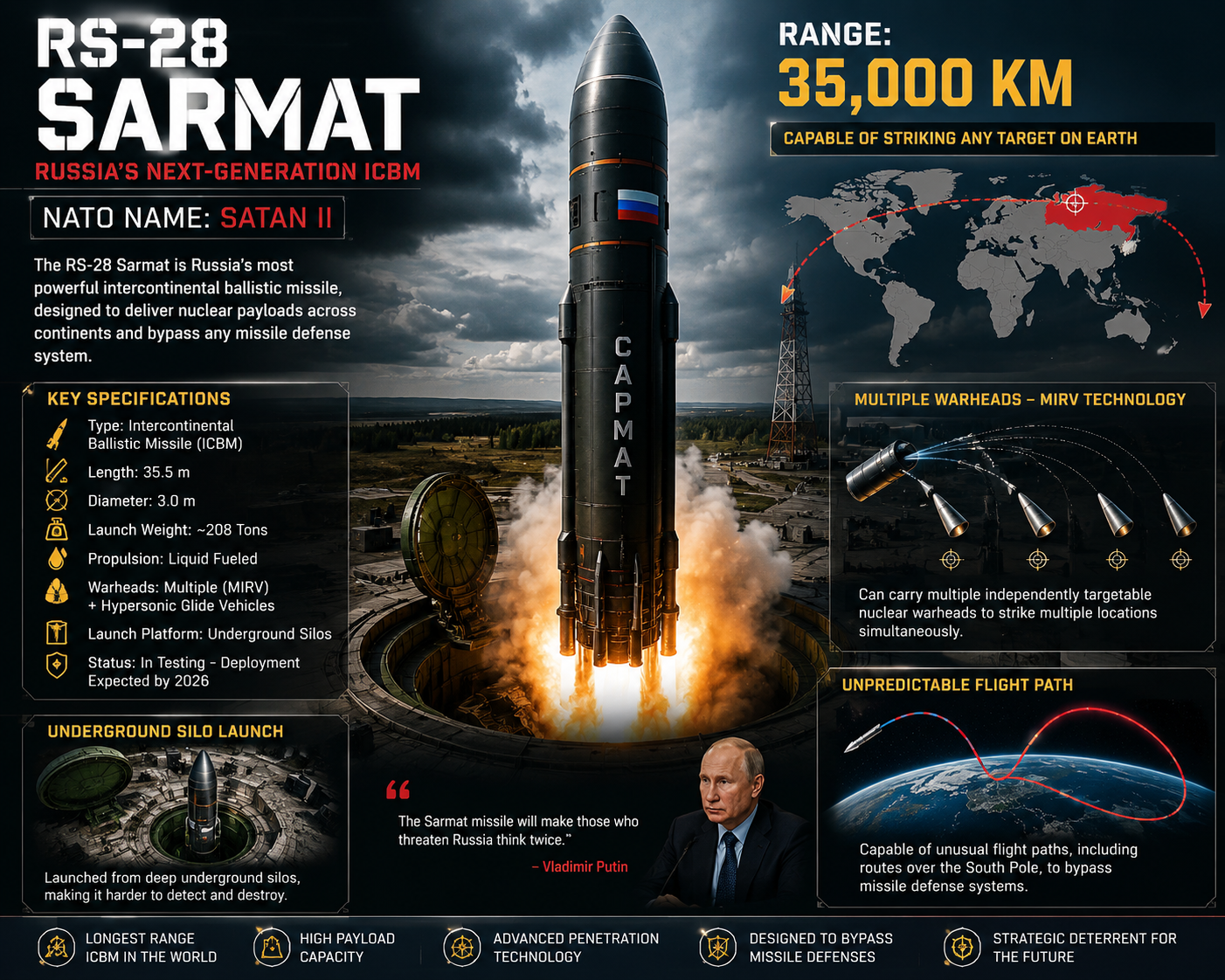

The world once again turned its eyes towards Russia in light of the successful launching of the RS 28 Sarmat nuclear missile on 12 May 2026. Considered the most powerful intercontinental ballistic missile ever developed, Russia alleges the missile can travel 35,000 kilometres, capable of launching multiple nuclear warheads to targets spanning numerous continents.
As expected, the launch became a trending topic around the world. The military experts, political analysts, and media buzzed about the implications and developed analyses around this weaponry.
For a many, the Sarmat missile is much more than a defense project. It is the front lines of the arms race among the major world powers for technological supremacy in missiles and nuclear deterrence.
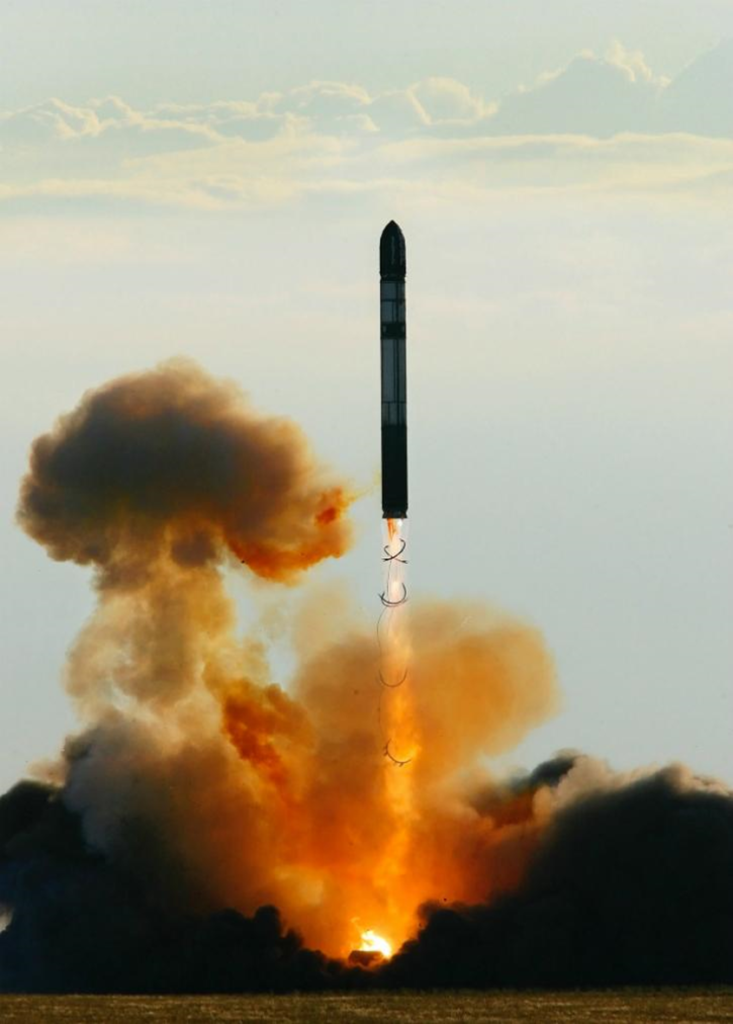
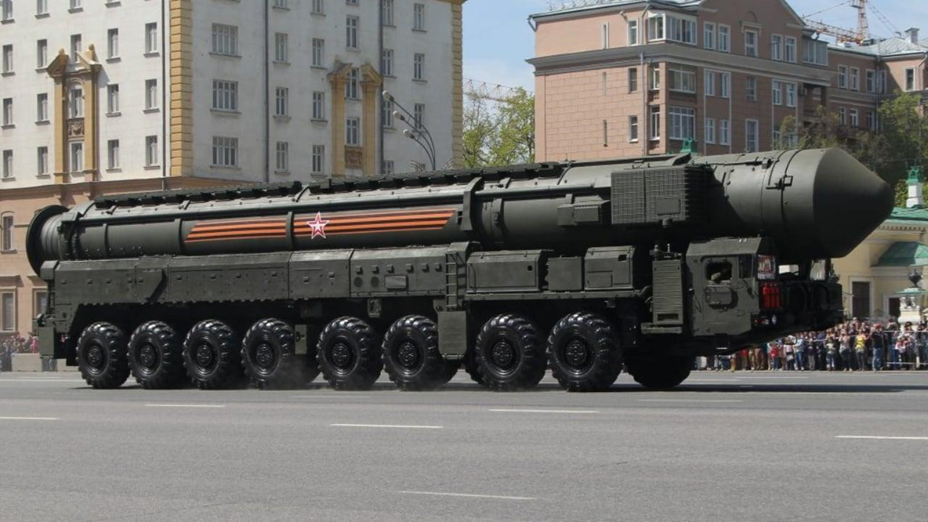
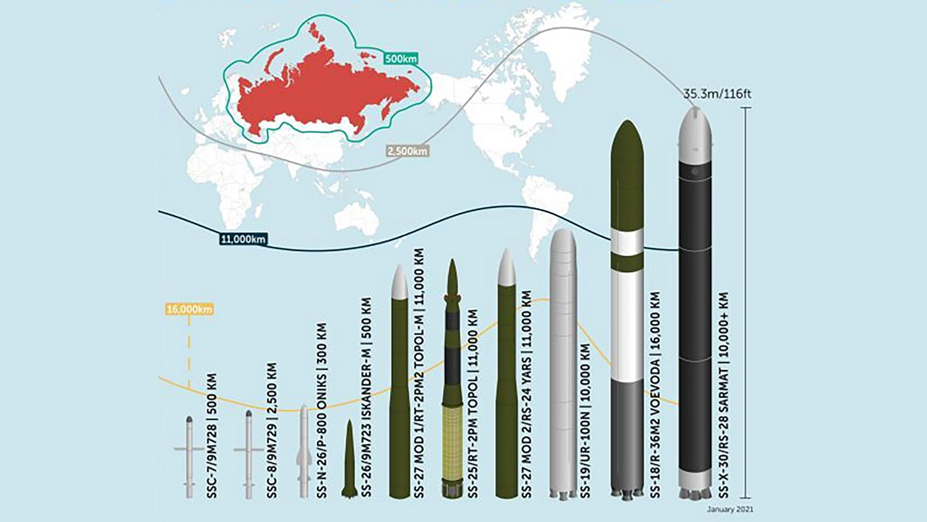
What is the RS 28 Sarmat Missile?
The RS 28 Sarmat is a next-generation intercontinental ballistic missile developed by Russia. NATO has dubbed it “Satan II” due to its immense destructive power and long range capability.
This missile was designed to replace the aged Soviet era R 36M missile system. Russia has spent years developing the Sarmat program to enhance and modernise its nuclear defence.
Russian officials state this missile has the ability to launch multiple independently targetable nuclear warheads. This enables a single missile to attack multiple targets.
The launch of the missile on 12 May 2026 was a monumental success according to Russia, paving the way towards the full military deployment of the system.
Why the 12 May 2026 Launch Became Global News

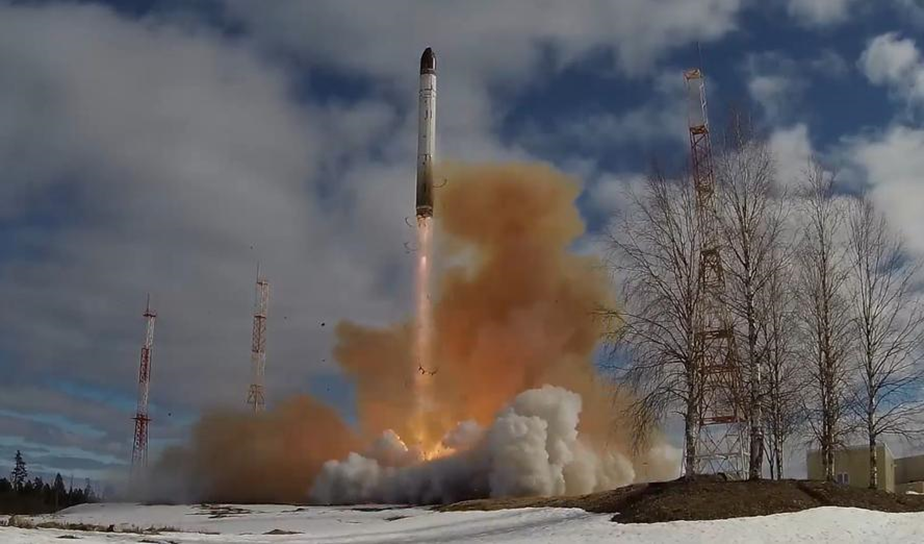
This launch garnered international attention for a reason. The Sarmat is no ordinary missile. They can fly incredibly long distances while circumventing most missile defense systems.
The Russians comment that their Sarmat can:
- Travel up to 35,000 km
- Carry nuclear and hypersonic warheads
- Attack from unexpected flight paths
- Evade radar and missile interception systems
- Utilise MIRV technology to strike multiple locations
The Sarmat was said to have been launched from the Plesetsk Cosmodrome by Russian President Vladimir Putin. In his statements regarding the launch, he called the Sarmat a showcase of Russian military strength.
It is clear that this launch, in conjunction with other events at the time, was likely interpreted by most military experts as a message directed toward NATO countries and the United States.
How Powerful is the Sarmat Missile?
The Sarmat missile is one of the largest nuclear missiles in existence. The specs to consider are:
- 208 tons
- Liquid-fueled engine system
- Multiple nuclear missiles
- Compatibility with hypersonic glide vehicles
- Capable of underground silo launches
With the predicted speed and range this missile is believed to be impossible to stop once launched.
With a regular aircraft flying at 900km/hour, it would be an extraordinary speed. This missile can fly at hypersonic speeds, meaning it can exceed the speed of sound. It can cross entire continents in a matter of minutes.
There are many similarities between this missile’s advanced technology and designs and those of some older Cold War nuclear missiles. These older Cold War nuclear missiles were also designed to penetrate the various defence systems of the time. The Sarmat is by far more advanced than any of these older missiles.
Why does the 35,000 km range matter so much?
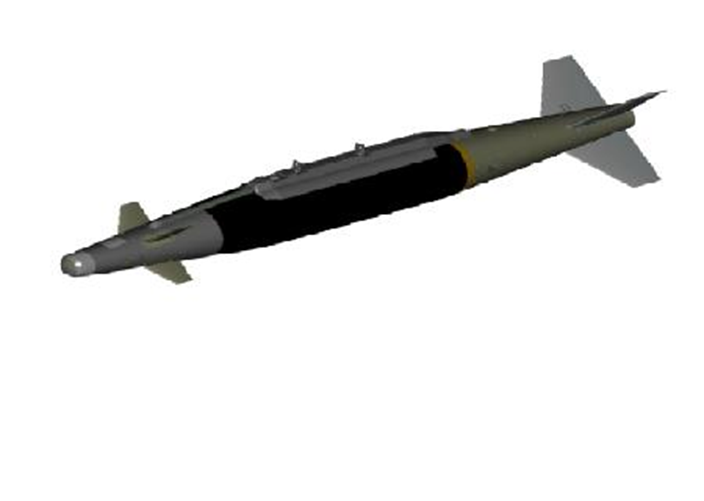
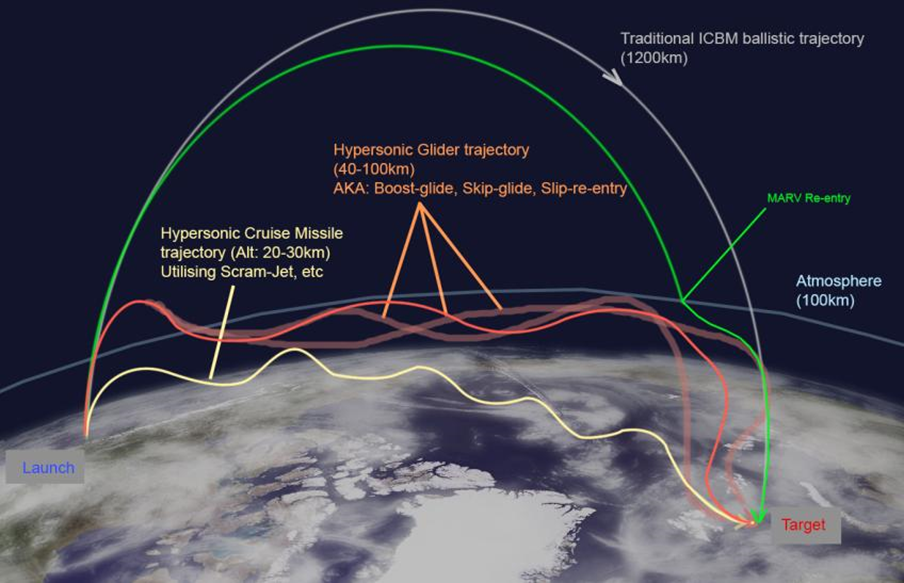
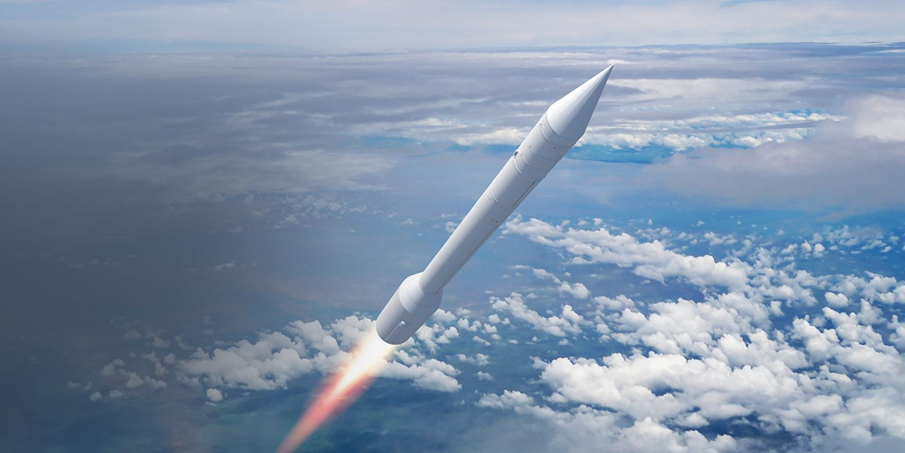
This missile’s extremely long 35,000-kilometre range is perhaps its biggest selling point.
A range of this magnitude gives the missile the potential to reach virtually any point on the planet. This long range also allows it to avoid certain enemy defences, as it can approach its targets from unexpected angles.
For example, traditional missiles:
- follow predictable routes
- may travel through the polar regions or take odd paths
- makes tracking it extremely difficult
This increases the flexibility and value of this missile when strategically planning modern military engagements.
The Sarmat, Hypersonic and Nuclear Integration
This missile also integrates hypersonic technology.
It is stated that this missile carries the Avangard hypersonic glide vehicle, which moves at extremely high speeds and can change its trajectory mid-flight.
This integration challenges the existing independence of defence systems, as it is nearly impossible to intercept a fast, mid-course-altered path missile.
Countries like Russia, China, and the United States view the integration of hypersonics with Nuclears systems as very important to their military.
How The World Reacted To The Launch
The world had various opinions of this missile launch.
Some countries added it to the growing list of military modernisation, and others were certain that this hyped the growing competition of nuclear power and increased friction on the world stage.
In many cases, this is believed to warp perceptions of available military strategies and, in turn, alter international agreements and relations.
For example:
- NATO countries may enhance missile defense systems
- Nuclear powers may expand their military budgets
- Discussions on arms control may gain more traction
Social media and news sites were full of content on the missile launch. This included videos, graphics, and the opinions of numerous commentators.
Contemporary searches included:
- “Russia’s new missile 2026”
- “Sarmat missile range”
- “Can Sarmat destroy cities?”
- “World’s strongest missile”
Searches shot through the roof, and related discussions quickly spiked worldwide.
Is It Possible to Avoid All Defensive Systems?
It’s claimed by Russia that the Sarmat missile would be able to circumvent all advanced defence systems. Many of the international experts, however, remain unconvinced, as that would be extremely hard to prove.
Every year there are new improvements to some aspect of defence systems. Advanced radar systems, tracking satellites, and intercepting technologies are all better now than they have been in the past. These all come as a direct result of the heavy investments countries around the globe are making.
Nevertheless, the consensus is that the Sarmat’s design is to make interception next to impossible.
Even if some claims are overly-dramatic, it is still undoubtedly one of the most innovative of its kind as a piece of strategic weaponry in current development.
Prospective Developments in Nurturing Nuclear Weapons Innovation and Technology
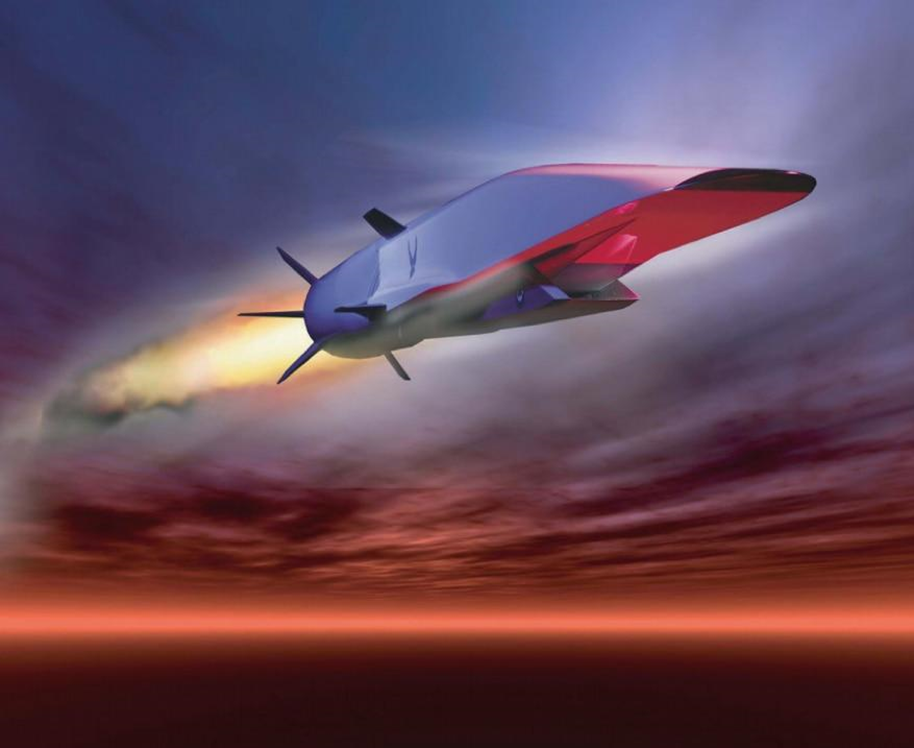
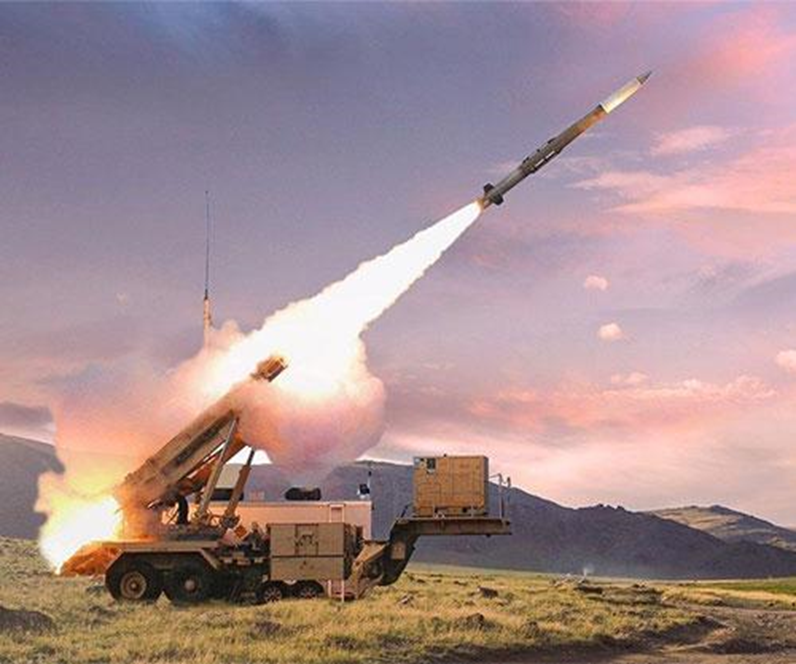
The launch of the Sarmat missile demonstrates the rapid progression and modernisation of military technology.
New generations of missile systems may implement:
- Navigation systems enhanced by Artificial Intelligence
- Hypersonic speeds
- Advanced stealth technology
- State-of-the-art electronic warfare capabilities
- Enhanced targeting systems
The race to create these next-generation systems will set the benchmarks for defence systems for many years to come.
Conclusion: The first successful test of the RS 28 Sarmat missile on May 12 2026,026 was one of the greatest defence news stories of the year. With a reported range of 35,000 kilometres, the ability to be equipped with a nuclear warhead and advanced hypersonic capabilities, the Sarmat missile has become a testament to the modernisation of military defence.
Whether or not sympathisers believe the claims to be true, the Sarmat defence system leaves no doubt in other nations about Russia’s commitment to advanced tactical and strategic warfare systems.
With the modernisation and development of military defence technologies, systems such as the Sarmat missile will be part of discussions on security and defence for nuclear deterrence for the foreseeable future.
FAQs
1. How far can the Sarmat become?
Depending on the flight path and the type of payload, it is claimed that the Sarmat missile can travel 35,000 kilometres.
2.What is the other name for Sarmat, and why is that?
Because the Sarmat missile would replace the older Soviet missile that was dubbed “Satan”, NATO member countries nicknamed it “Satan II”.
3. When was the Sarmat missile developed?
The most recent successful test launches of the Sarmat missile occurred on May 12, 2026.
4. Is the Sarmat missile capable of carrying hypersonic weapons?
Yes. Russia has stated that the Sarmat missile can carry the Avangard hypersonic glide vehicles along with nuclear warheads.