

Today, the world has changed drastically due to mobile technology. Smartphones are more than just phones to call on. Today, it serves as a camera, bank, classroom, office, entertainment center, shopping mall and even a health monitor.
Mobile tech is advancing at a phenomenal rate from 2G to AI-enabled smartphones with 5G connectivity. Users are now looking for faster Internet, increased security, smarter cameras, stronger batteries, and intelligent features, and that’s what companies are investing billions in to deliver.
Mobile tech is advancing in 2026 with Artificial Intelligence, foldable displays, satellite technology, cloud gaming, and smart ecosystem integration.
In this article, you will learn about the working mechanisms, features, latest technologies and real-world examples of mobile technology.
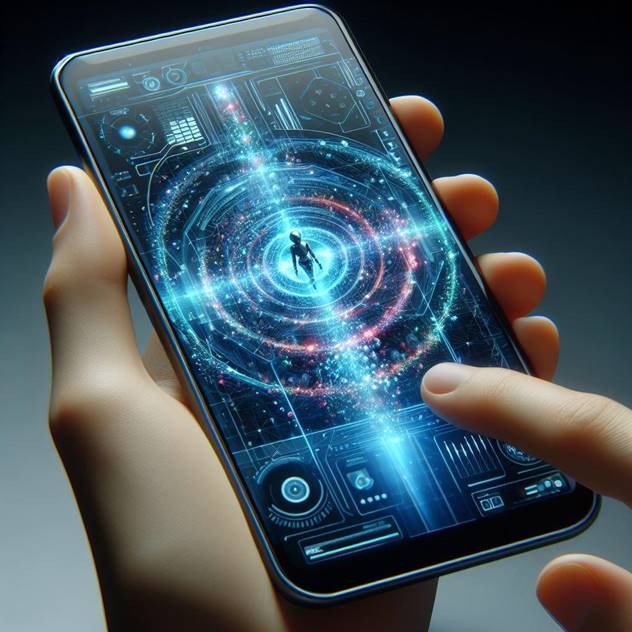
What do you mean by Mobile Technology?
Mobile technology is the wireless communication systems and handheld devices that enable users to communicate, connect to the Internet, store information and run applications from anywhere.
The greatest benefit of mobile technology is that it is mobile. Users carry powerful computing devices in their pockets.
Modern mobile technology merges:
- Wireless communication
- Artificial Intelligence
- Mobile processors
- Cloud computing
- Internet services
- Advanced sensors
- Security systems
Popular Mobile Technology Devices are:
- Smartphones
- Tablets
- Smartwatches
- Foldable phones
- AR and VR devices
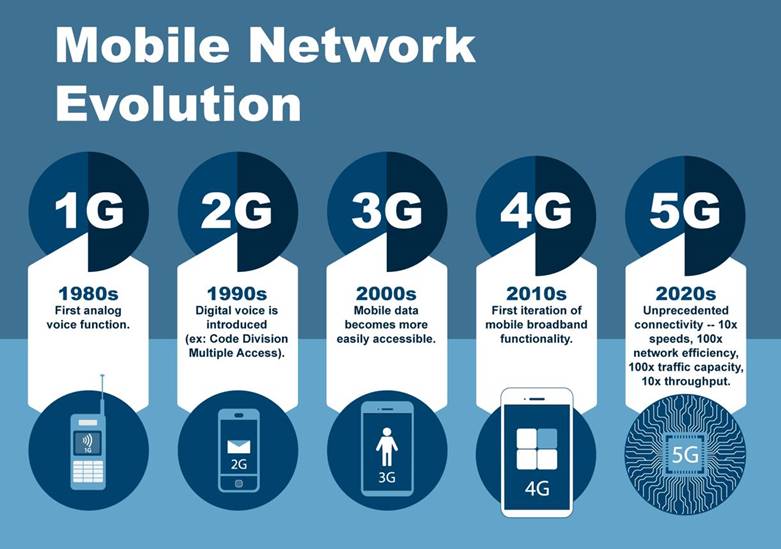
The history of mobile technology.
1G Technology
The first generation introduced analog voice calling. Audio quality was low, and security was lacking.
2G Technology
2G began digital communication and SMS services. The mobile Internet became possible.
3G Technology
3G was faster than current technology and enabled video calling and multimedia browsing.
4G Technology
With HD streaming, games, online classes and social media apps, 4G revolutionized mobile use.
5G Technology
5G promises ultra-fast speed Internet, low latency and improved connectivity for AI devices and IoT systems.
How Mobile Technology Works
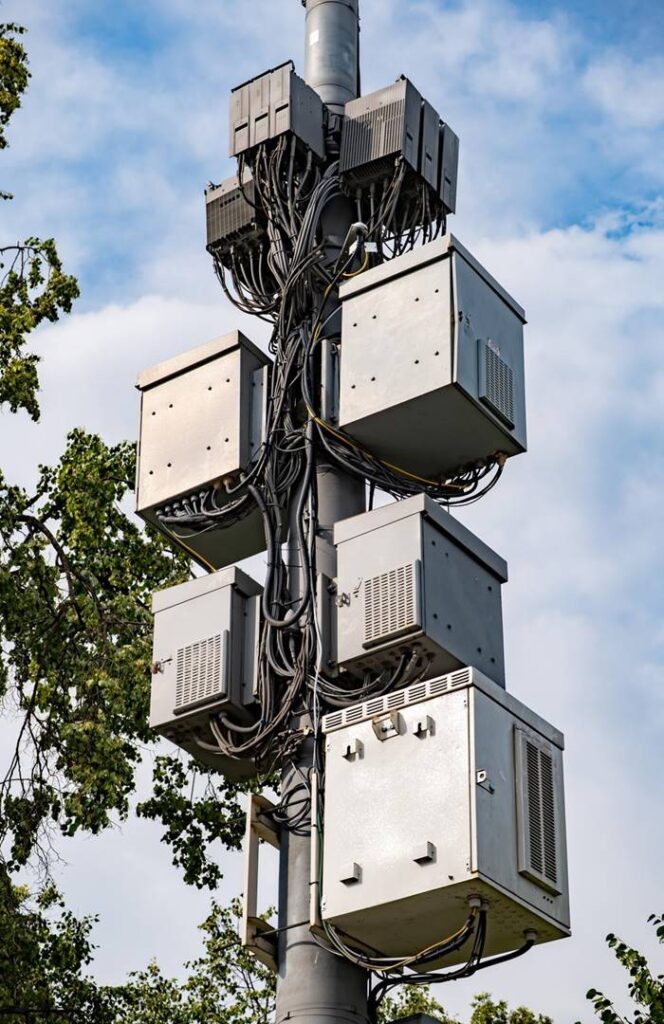
Mobile technology relies on wireless communication networks. Smartphones use radio signals to connect to a nearby mobile tower.
The whole process involves:
1. Mobile Device
A smartphone has a microprocessor, an antenna, various sensors, memory chips, cameras, and an operating system.
2. Radio Waves
It transmits and receives radio waves to and from the closest cell phone tower.
3. Cellular Towers
Cell towers communicate with users and provide a link to network servers.
4. Data Centers
Cloud servers provide various online services, store information and handle Internet requests.
5. Internet Infrastructure
Data is distributed worldwide via fiber-optic cables and satellites.
Explore how mobile technology works.
There are several steps in the process of mobile technology:
Signal Transmission
Your cell phone converts what you say or the data you enter into it into a digital format.
Network Routing
Signals are sent through the neighboring towers, network switches, and so on.
Data Processing
A server is responsible for handling requests such as opening a website, viewing videos or using applications.
Response Delivery
Data is processed and then sent back to your Samsung smartphone in milliseconds.
The overall process takes place very rapidly.
The key technologies employed in the mobile phone are discussed:
1. Artificial Intelligence Technology
AI is among the leading mobile innovations.
A few of the ways that AI enables smartphones to function are:
- Smart photography
- Voice assistants
- Battery optimization
- Language translation
- Face recognition
- Spam filtering
Examples:
- Apple Siri
- Google Gemini AI
- Samsung Electronics Galaxy AI
2. 5G Technology
5G technology improves:
- Download speed
- Streaming quality
- Cloud gaming
- Video calling
- Smart city connectivity
Features of 5G:
- Ultra low latency
- Faster response time
- Better network stability
- High device connectivity
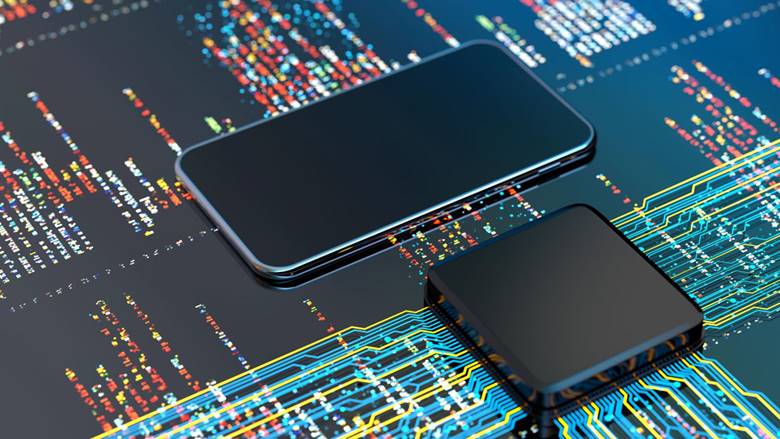

3. OLED Display Technology
OLED screens provide:
- Better brightness
- Deep black colors
- Lower battery usage
- Flexible screen support
- Liquid Cooling is used in high-end smartphones, such as:
- iPhone 17 Pro
Serve as a means of communication.
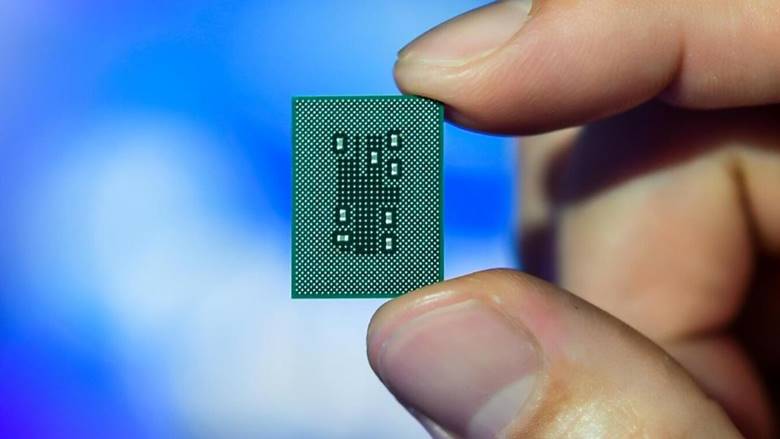
4. Mobile Processor Technology
Modern smartphones come with high-performance chipsets.
Popular processors include:
- Snapdragon processors
- Apple Bionic chips
- MediaTek Dimensity chips
Features include:
- AI acceleration
- Faster gaming
- Better multitasking
- Low power consumption
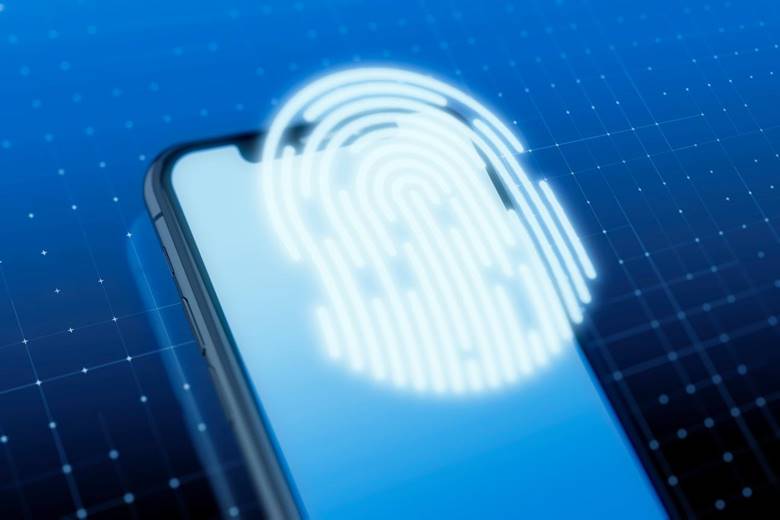
5. Biometric Security Technology
Biometric systems enhance smartphones’ security.
Technologies used:
- Fingerprint sensors
- Face unlock
- Iris scanning
- Voice recognition
Benefits:
- Better privacy
- Fast unlocking
- Secure banking

Features of Modern Mobile Technology
High Resolution Cameras
Smartphones now include:
- 200MP cameras
- AI image processing
- Night photography
- Optical zoom
- 8K video recording
Fast Charging Technology
Modern devices support:
- 65W charging
- Wireless charging
- Reverse charging
Some smartphones can be charged in less than 20 minutes.
Cloud Storage Integration
Cloud systems can be used to store:
- Photos
- Videos
- Documents
- Contacts
Popular cloud platforms:
- Google Drive
- Microsoft OneDrive
- Apple iCloud
Gaming Technology
Gaming smartphones now have the following support:
- Ray tracing
High refresh rate graphic displays.
- Cooling systems
- Gaming triggers
Here are some examples of Advanced Mobile Technology:
Foldable Smartphones
Flexible display technology is used in foldable phones.
Examples:
- Samsung Galaxy Z Fold
- Google Pixel Fold
Satellite Communication
Emergency communications: New smartphones can communicate via satellite.
This technology assists users in remote areas without mobile towers.
Mobile Payment Technology
With digital wallets, cashless transactions are possible.
Popular services:
- Paytm
- PhonePe
- Google Pay
How does mobile technology affect society?
Education
Students have the opportunity to access:
- Online classes
- Digital notes
- Educational apps
- Video lectures
Healthcare
Mobile technology supports:
- Health monitoring
- Telemedicine
- Fitness tracking
- Emergency alerts
Business
Companies use cell phones for:
- Marketing
- Video meetings
- Customer support
- Online payments
Entertainment
It is the users who receive entertainment via:
- Streaming apps
- Mobile gaming
- Social media
- Music platforms
Mobile technology has many benefits:
- Fast communication
- Easy Internet access
- Better productivity
- Online learning opportunities
- Digital banking convenience
- Smart automation
The disadvantages of mobile technology include:
- Privacy concerns
- Cybersecurity threats
- Mental stress
- Reduced physical activity
Users should engage in equitable use to improve their health.
Future of Mobile Technology
Mobile technology is sure to be a very sophisticated future.
Future innovations to be expected are:
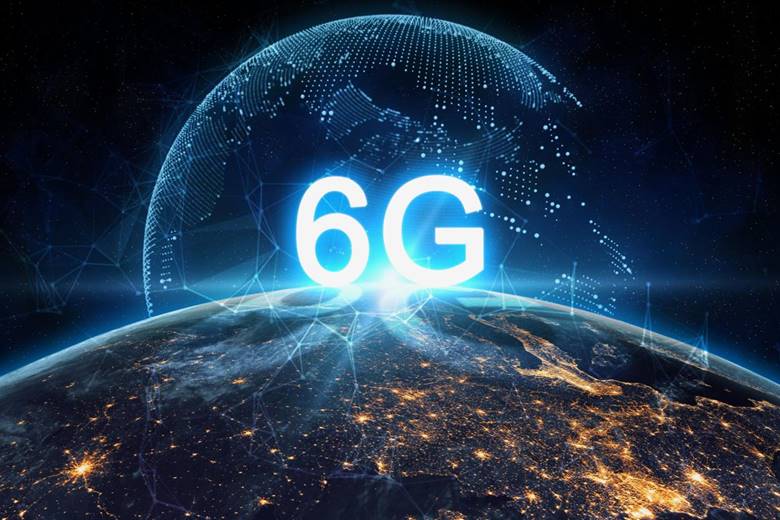
- 6G Internet
- AI-generated interfaces
- Brain-computer interaction
- Holographic displays
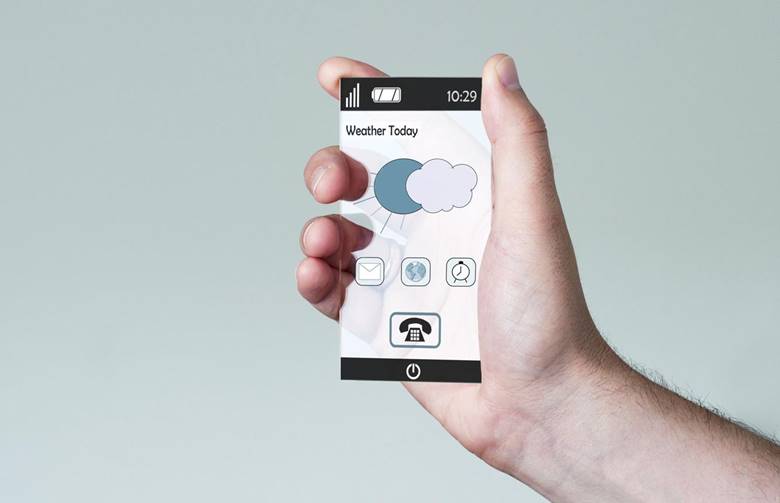
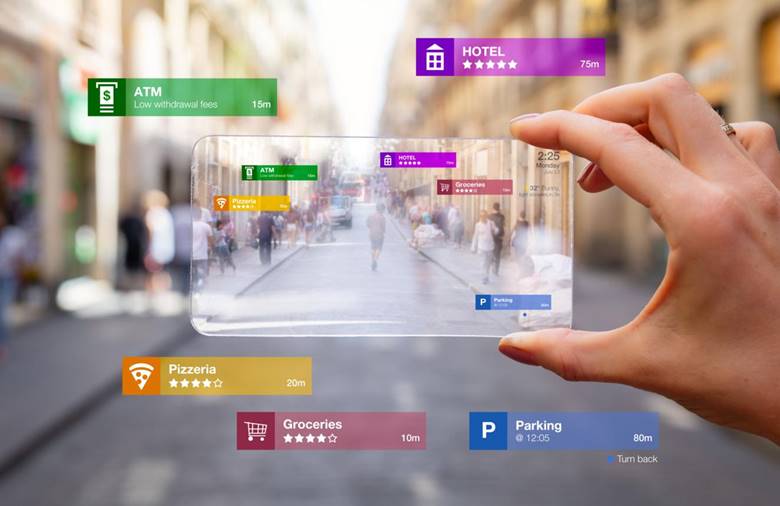
- Transparent smartphones
- Advanced AR glasses
The experts say that in the future, smartphones will be more intelligent than traditional computers.

Conclusion
One of humanity’s greatest inventions is mobile technology. It impacts communication, education, healthcare, entertainment and business daily.
Today’s smartphones are getting smarter and smarter thanks to artificial intelligence, 5G, biometric security, cloud technology, and sophisticated processors. Satellite communication, intelligent automation and foldable displays are the current innovations companies are pushing to the limit.
Mobile technology will get even faster, smarter and more connected in the years to come. Anyone who knows these technologies will reap the greatest rewards from the digital future.
FAQs
1. What do you mean by mobile technology?
Mobile technology is the technology used in wireless communications and portable devices, such as mobile phones, for communicating and accessing digital services.
2. Which of the following is the primary technology used in smartphones?
The primary features of modern smartphones are primarily AI technology, 5G networks, OLED displays, biometric security and advanced processors.
3. What are the advantages of 5G mobile technology?
Enhanced Internet speeds, reduced latency, streamlined gaming, improved streaming and smart device connectivity are all advantages of 5G.
4. What do you think will be the future of mobile technology?
There will be 6G networks, AI-integrated smartphones, holographic displays, satellite communication and augmented reality systems.
Mobile Technology: – mobile technology – Search
Related Post: – AI Gaming Computer: The Next Step In Ultra High End Gaming – aziztechsolutions.com
1 thought on “Mobile Technology 2026: Smartphones Changing Life Faster Than Ever”