


Cybersecurity is very much a subject for non-IT folk. Digital security is now a necessity for all smartphones, laptops, bank accounts, social media accounts and business systems. With the rapid advancement of technology, cyber threats are becoming more sophisticated and threatening.
In today’s digital era, cybercrime has become one of the most significant threats worldwide, encompassing a range of offenses, from online banking fraud to ransomware attacks. From personal devices to business networks, schools to hospital systems, governments to individuals, there are a lot of heavy investments happening to safeguard sensitive data and digital systems.
By 2026, cybersecurity will be a formidable force, leveraging Artificial Intelligence, cloud security, encryption, biometrics, and real-time monitoring. The technologies act in concert to prevent damage.
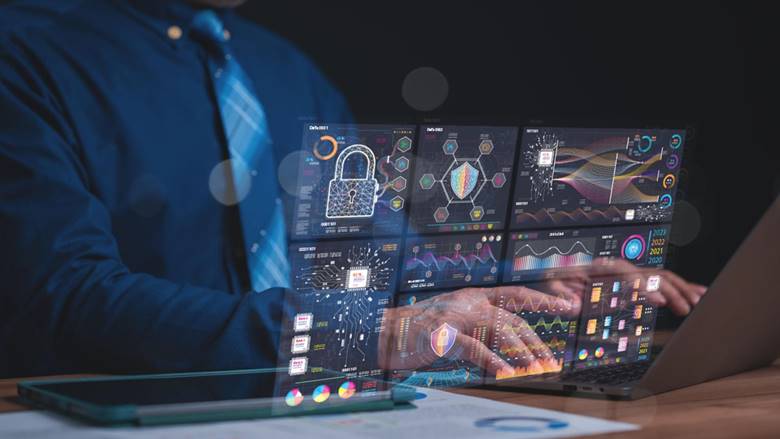

What Is Cybersecurity?
Cybersecurity is a process used to defend computers, networks, applications, and digital data from cyberattacks, unauthorized access, and data theft.
It encompasses technologies, software, security policies and mechanisms to ensure the security of digital systems.
Cybersecurity protects:
- Personal information
- Financial data
- Company databases
- Cloud storage
- Government systems
- Medical records
- Online accounts
In the absence of cybersecurity, hackers can steal passwords, access bank accounts, take down websites and even remotely control smart devices.
Why Cybersecurity Is Important in 2026
From the cloud to the Internet of Things, smart home devices, AI solutions and online services, the world is now connected. As the digital world expands, so do the security risks.
Two main reasons why cybersecurity is important:
- Online fraud is on the rise.
- Cyberattacks using AI are becoming more sophisticated.
- Businesses have vast data on their customers.
- The risks of remote working on networks are identified.
- Personal and financial information is found on smartphones.
- Cloud servers are popular targets for attack. Cloud servers are common targets for attacks.
One cyberattack can ruin a business’s reputation and cost millions of dollars.
Global cybersecurity reports state that ransomware and phishing attacks grew significantly in recent years due to hackers’ adoption of automated and AI-assisted tools.
Main Types of Cybersecurity
1. Network Security
Internet connections and internal systems are safeguarded by network security.
Technologies used:
- Firewalls
- Intrusion Detection Systems
- VPNs
- Network monitoring software
Mechanism:
These systems constantly track network activity, identify suspicious traffic and prevent unauthorized logins.
Example:
Network security is a key element in securing online transactions and ATM systems in banks.
2. Cloud Security
Cloud security is the protection of data on cloud platforms such as Google Cloud, AWS, and Microsoft Azure.
Technologies used:
- Cloud encryption
- Identity Access Management
- Secure cloud backup
- Multi-factor authentication
Mechanism:
Cloud security tools help protect files by encrypting them, and only authorized users can access sensitive information.
Example:
Any business that implements remote work systems will have encrypted cloud servers that securely store employee information.
3. Application Security
Application security helps secure websites, mobile apps and software against vulnerabilities.
Technologies used:
- Secure coding
- Application firewalls
- Penetration testing
- AI vulnerability scanners
Mechanism:
Hackers exploit software weaknesses after developers have identified them.
Example:
Application security is an important aspect of e-commerce apps that safeguards customers’ payment information.
4. Endpoint Security
Endpoint security safeguards devices attached to networks.
Technologies used:
- Antivirus software
- Anti-malware systems
- Device encryption
Educate users about the importance of endpoint detection and response systems (EDR).
Mechanism:
Security software automatically scans files, blocks malicious content and quarantines infected devices.
Example:
Companies use endpoint security solutions to ensure employee laptops and smartphones are secure.
What is a Cybersecurity Mechanism?
Cybersecurity systems operate through multiple layers of protection.
Authentication Mechanism
This is a mechanism for verifying the user’s identity.
Technologies used:
- Passwords
- OTP verification
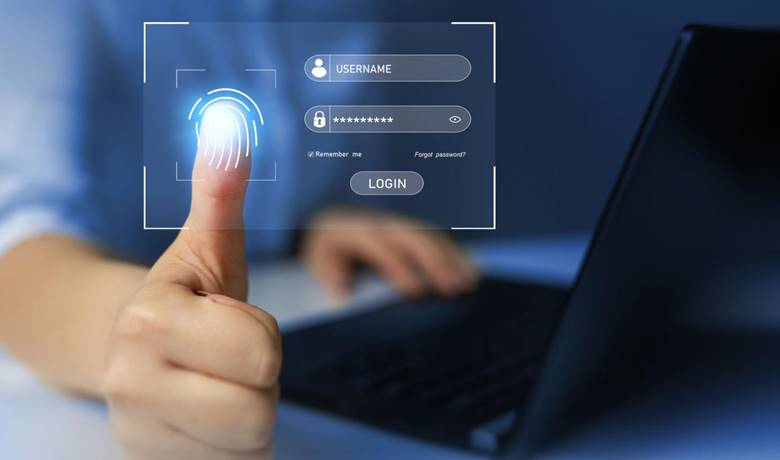
- Fingerprint scanners
- Face recognition
Example:
This OTP and biometric verification is required in banking apps before performing transactions.
Encryption Mechanism
Encryption is the process of turning data into an encrypted code.
Technologies used:
- AES encryption
- RSA encryption
- SSL certificates
Mechanism:
If hackers gain access to the encrypted data, they will not be able to read it without the key.
Example:
WhatsApp uses end-to-end encryption to secure messages.


Firewall Mechanism
Firewalls are used to watch inbound/outbound traffic.
Technologies used:
- Hardware firewalls
- Softwarefirewalls
Traffic Analysis Systems powered by Artificial Intelligence (AI)
Mechanism:
Firewalls filter out suspicious requests before they reach systems.
Example:
To limit unauthorized access to corporate networks, firewalls are employed.
AI Threat Detection Mechanism
AI is transforming the cybersecurity landscape.
Technologies used:
- Machine Learning
- Behavioral analytics
Community-predictive technology systems.
Mechanism:
AI can monitor user activity and detect suspicious behavior in real time.
Example:
AI security systems can automatically deny access to any account if it’s accessed from a different country.
The latest tech innovations for cybersecurity in 2026.
Artificial Intelligence Security
AI cybersecurity solutions can identify threats more quickly than humans can.
Features:
- The ability to conduct real-time threat analysis.
- Automated response systems
- Predictive attack detection
- Smart malware identification
Technology used:
Use of machine learning algorithms and neural networks.
Blockchain Security
The blockchain enhances cybersecurity by generating tamper-proof, decentralized records.
Features:
- Secure transactions
- Transparent records
- Reduced hacking risks
Technology used:
Distributed ledger technology.
Example:
Blockchain is an integral part of cryptocurrency platforms, facilitating secure digital transactions.
A method of security that assumes no employee or device is trusted.
No device and no user is trusted until proven otherwise is the mantra of Zero Trust.
Features:
- Continuous identity verification
- Strict access control
- Real-time monitoring
Mechanism:
All logins are checked multiple times.
Example:
Zero Trust is an effective way for large organizations to protect remote employees.
Quantum Resistant Encryption
In the future, a new kind of computing, quantum computing, will render conventional encryption methods vulnerable.
Features:
- Advanced encryption algorithms
- Security systems that you can count on to be prepared for the future.
Technology used:
Post quantum cryptography.
The technology is gaining significance for the government and financial institutions.
The top cyber threats for 2026 are as follows:
Phishing Attacks
Fraudulent emails or text messages are sent to trick hackers into revealing their passwords.
Example:
Phishing messages that encourage users to confirm details of their bank accounts.
Ransomware
A hacker creates a .lock file on a file and demands a ransom to unlock it.
Example:
Ransomware attacks are not limited to hospitals and schools; they’ve happened to both in many countries around the world.
Malware
Malicious software can harm systems or steal information.
Types include:
- Viruses
- Trojans
- Spyware
- Worms
Social Engineering
There are times when people are manipulated psychologically by hackers to gain entry.
Example:
Phishing calls request OTP codes.
Explore the features of modern cybersecurity systems.
New and advanced security tools are available:
- AI-powered threat detection.
- Real-time monitoring
- Automated backup systems
Multiple layers of security are provided.
- Biometric authentication
- Cloud-based protection
- Remote access security
- Dark web monitoring
These features enable organizations to identify and thwart attacks promptly.
Cybersecurity in everyday life.
Security in today’s cyber world is a concern for everyone.
Examples:
Safeguarding the Instagram and Facebook Data Recovery Services account.
Online payment security and protection
- Protecting UPI transactions
- Preventing smartphone hacking
- Use and provide access to a computer, network, and/or information system.
- Smart TVs and home devices need cybersecurity protection now, too.
How to be safe online
Cybersecurity Is the Invisible Shield Protecting Your Digital Life.
There are easy cybersecurity tips you can take to keep your data safe.
Tips:
- Use strong passwords
- Add importance to email correspondence, and make sure to memorize your passwords and PINs.
- Avoid suspicious links
- Update software regularly
- Never share OTPs
- Use antivirus software
- Backup important files
Avoid free Wi-Fi when banking.
These measures can help to minimize cyber risks.


Future of Cybersecurity
In the near future, cybersecurity will increasingly be a ‘Smart’ thing.
Further technologies are possible, such as:
- AI-powered, self-governing security equipment
- Quantum encryption
- The safety of brain-computer interfaces.
- Advanced biometric systems
- Smart cities, security and cybersecurity.
Digital protection will be one of the world’s most important industries as technology advances.
Final Thoughts
Cybersecurity has become a necessity in today’s world. Secure systems and high-end protection technologies are essential to every digital activity. AI is set to be a major cybersecurity feature in 2026, as will cloud security, encryption, blockchain, and Zero Trust models. With the rapid advancement of technology, cyber threats are becoming more sophisticated and threatening.
Strong cybersecurity measures can help minimise risk and thwart the efforts of cyber criminals targeting valuable information for individuals and businesses alike. As the world increasingly relies on digital technology, cybersecurity is taking Centre stage in ensuring trust and safety in the online environment. With the rapid advancement of technology, cyber threats are becoming more sophisticated and threatening.
FAQs
1. What is Cyber Security in Layman’s Terms?
Cybersecurity refers to safeguarding computers, mobile devices, networks, and data online from hackers and cyberattacks.
2. Most of the time, which technology is utilized in cybersecurity?
In cybersecurity, popular technologies include artificial intelligence, encryption, cloud security, blockchain, and firewalls.
3. What are the biggest cyber threats today?
Some of the greatest threats regarding cybercrime are phishing, ransomware, malware and identity theft.
4. What are the potential benefits of AI for cybersecurity?
AI for detecting unusual activity, predicting attacks, and automatically blocking cyber threats in real time.
Cybersecurity: –Cybersecurity – Search
Related Post: – Apple WWDC 2026: Apple’s AI Vision Finally Revealed – aziztechsolutions.com
3 thoughts on “Cybersecurity 2026: The Future of Smart Digital Protection”