

In 2026, the robotics industry was still in its infancy. Robots powered by artificial intelligence, machine learning, computer vision and autonomous control systems became a reality in companies around the globe.
These robots are now out of the lab and working in industrial plants, healthcare centres, warehouses and factories.
2026 is proving to be one of the most significant years in robotics history, spanning ultra-agile humanoids to AI-powered industrial assistants. Exemplifying this trend, Boston Dynamics, XPeng, and BMW are among the firms seeking to bring their humanoid robots into the real world.
1. Boston Dynamics Electric Atlas
Why Electric Atlas Is Revolutionary
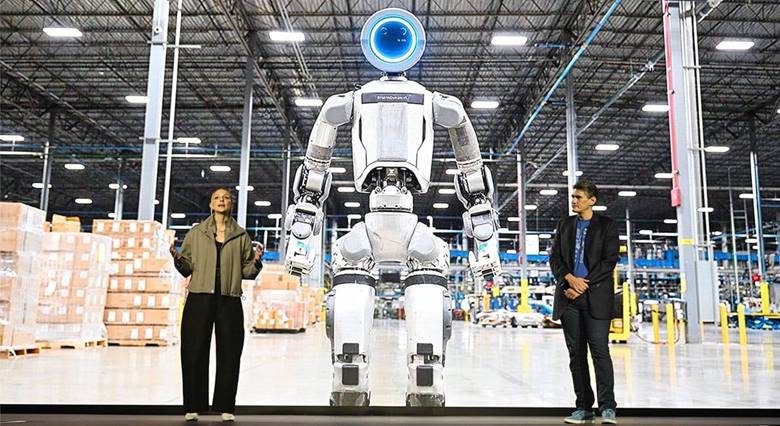
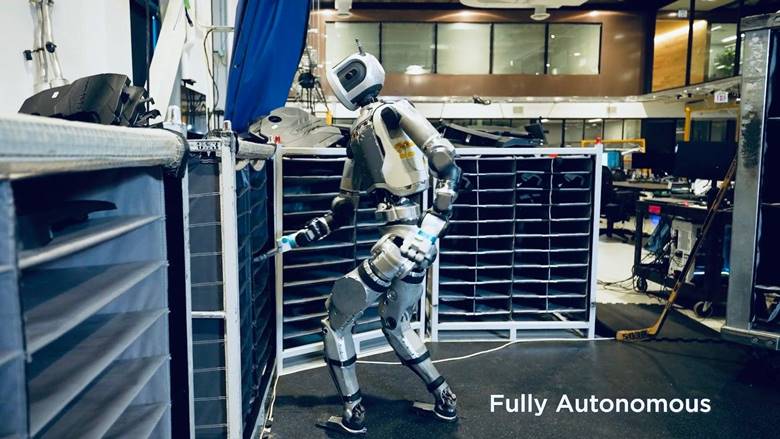
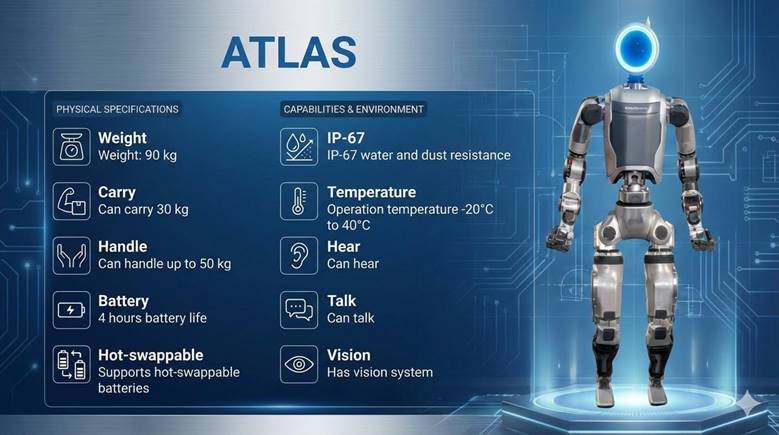
Boston Dynamics converted its iconic Atlas robot into an all-electric humanoid. Previously, Atlas robots were hydraulic. This 2026 version features electric actuators for smoother movement, reduced maintenance, and greater energy efficiency.
The robot wowed the tech community at CES 2026 with its remarkable capabilities in industrial object manipulation, movement, and autonomous operation.
Key Features
- Fully electric humanoid body
- Advanced balance and parkour level agility
- AI-based motion planning
- Human-like arm flexibility
- Autonomous object manipulation
- Industrial deployment ready
Mechanism Used
The robot operates based on:
- Electric servo actuators
- Dynamic balance algorithms
- Reinforcement learning AI
- 3D vision cameras
- LIDAR and motion sensors
- Advanced sensor networks and sensing systems
Technology Behind Atlas
Boston Dynamics has applied cutting-edge AI foundation models to Atlas, enhancing decision-making in factories. The robot can be used for repetitive industrial tasks and for recognising the environment and identifying objects.
Real Example
Hyundai factories began preparing to assemble the Atlas. Google DeepMind has also collaborated on AI training systems.
2. XPeng Robotics “Iron.”
What Makes XPeng Iron Unique
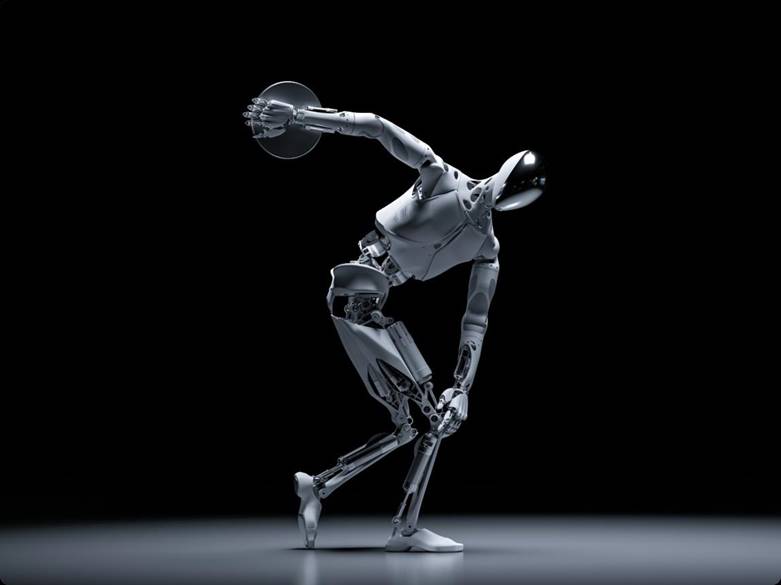
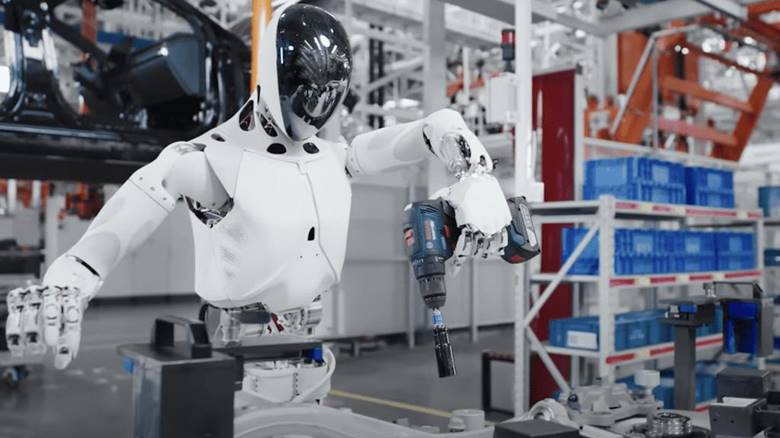
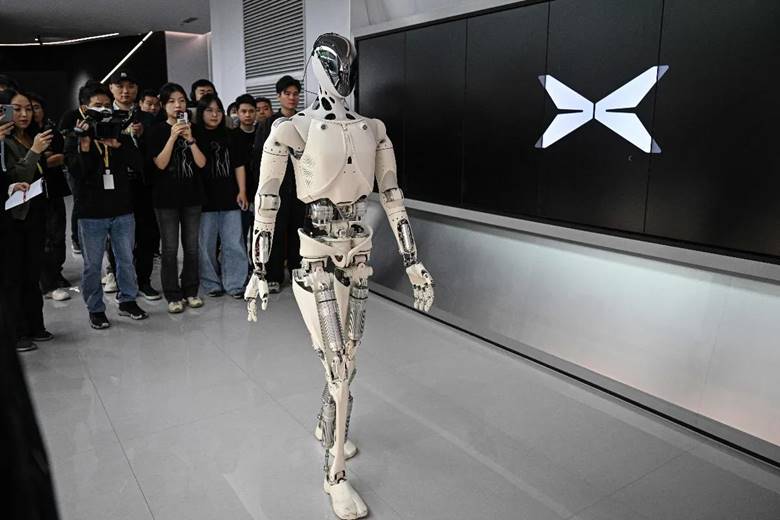
With a futuristic humanoid robot named “Iron” for industrial manufacturing and smart automation, Chinese EV giant XPeng entered the field of humanoid robotics.
Iron is an electric vehicle AI system coupled with robotics engineering. This gives the robot faster processing and human-like movements.
Features of XPeng Iron
- Some joints are used too often for movement.
- To walk and swing arms naturally and with ease.
- AI-driven object recognition
- Voice interaction support
- Smart industrial automation
- State-of-the-art assembly support
Mechanism & Working System
Iron uses:
- Reliable power and torque electric motors
- AI neural processors
- Real-time motion control
- Computer vision technology
- Sensor fusion systems
The robot instantly processes environmental data and adjusts its movements using predictive AI.
Technology Used
XPeng integrated:
- Autonomous driving AI
- Robotics machine learning
- Motion prediction algorithms
- Intelligent servo control
AI techniques developed for smart EVs are also being implemented in Iron to enable it to understand its surroundings and avoid obstacles.
Example Use
XPeng previously used Iron robots in its electric-car production factories to assist with vehicle assembly tasks.
3. Honour Humanoid Robot

Honour’s Entry Into Robotics
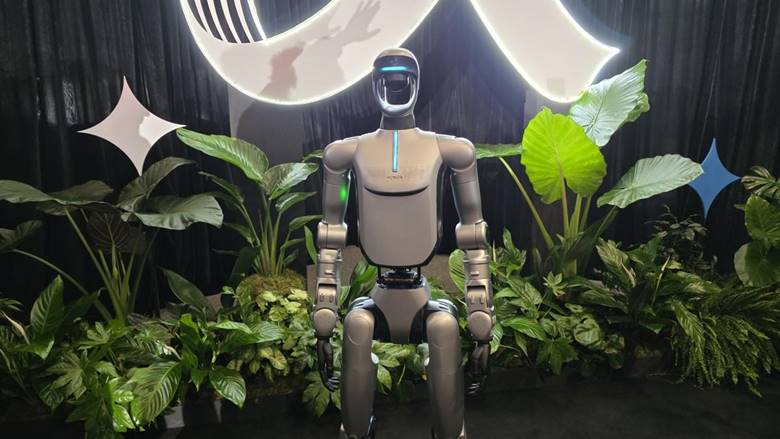
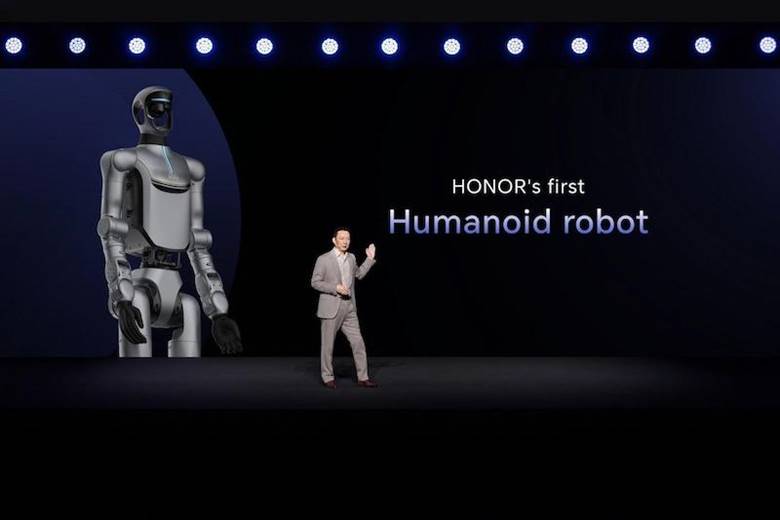
Smartphone and AI startup Honour entered the robotics game with AI-assistant and smart-ecosystem development, as well as humanoid projects.
Honour is looking to have a unified ecosystem of smartphones, AI cloud systems and humanoid robots.
Key Features
- AI voice communication
- Smart home connectivity
- Human interaction system
- Facial recognition technology
- The AI learning system is cloud-based.
- In real-time language processing.
Mechanism
The humanoid system is based on:
- Speech recognition modules
- Smart AI chips
- Facial tracking cameras
- IoT integration systems
- Machine learning software
Technology Used
The primary focus of Honour is on:
- AI cloud computing
- Smart ecosystem synchronisation
- NLP, Natural Language Processing
- Human-machine interaction
Example Applications
- Smart home assistance
- Elderly care support
- AI customer service
- Educational interaction systems
Honour’s direction in robotics reflects the new consumer electronics companies that have entered the field of humanoid AI development.
4. Apptronik Apollo
Why Apollo Is Important
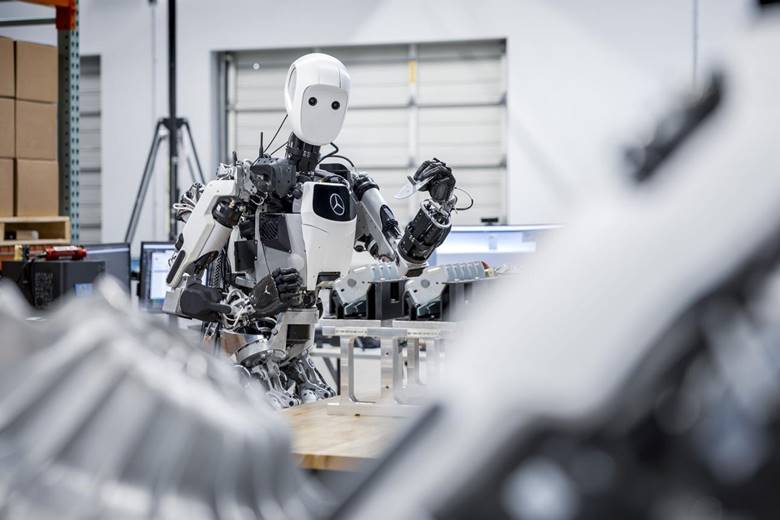
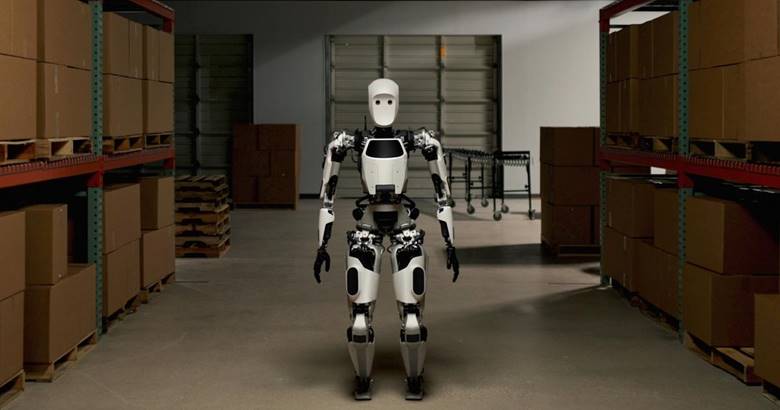
In 2026, Apollo was one of the most talked-about industrial humanoid robots. The robot concentrates on logistics, warehouse and manufacturing support.
Apollo is not an entertainment robot but is designed for real-world industrial activities.
Features
- Human-sized humanoid figure
- Strong payload carrying capability
- The system is designed to ensure humans interact safely.
- Battery swap support
- Autonomous navigation
- Industrial warehouse optimisation
Mechanism
Apollo operates using:
- Modular robotic joints
- Smart electric actuators
- AI navigation systems
- Multi-sensor mapping
- Autonomous path planning
Technology Used
The robot uses:
- Artificial Intelligence
- SLAM mapping technology
- Machine vision systems
- To teach human-safe robotics engineering.
- Edge computing processors
Example
Apollo robots are undergoing tests for warehouse logistics, package moving and repetitive industrial tasks.
It’s a modular robotic hand system that enhances the gripping and handling performance of objects.
5. Hexagon & BMW Robotics Partnership
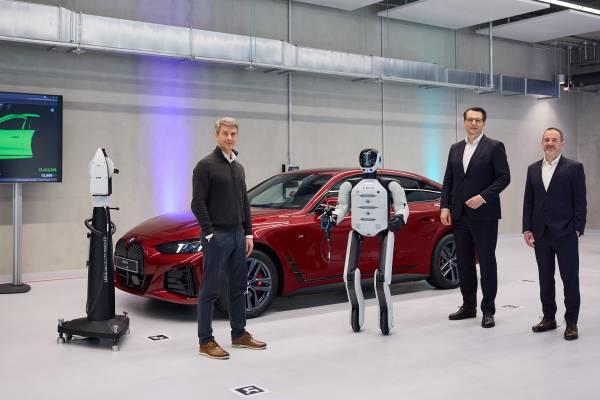
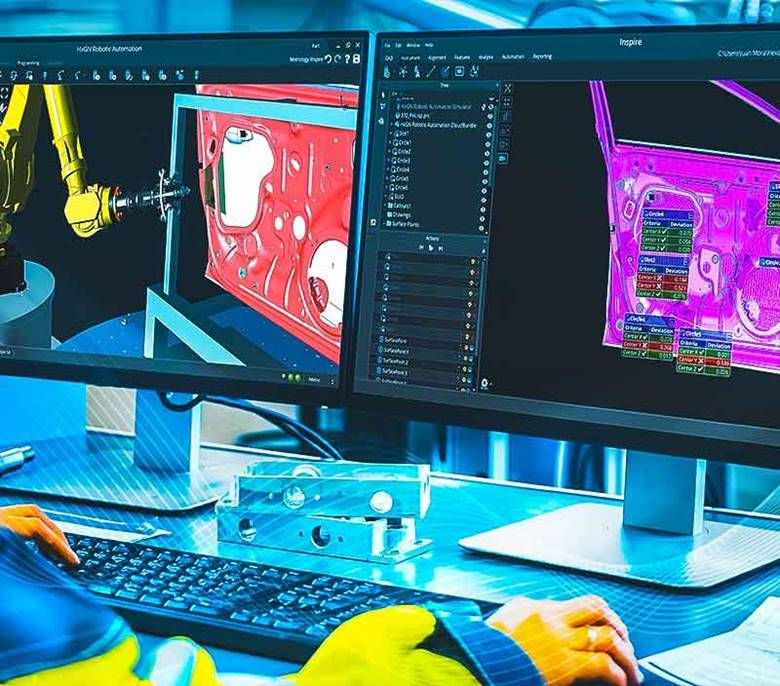
Partnership Overview
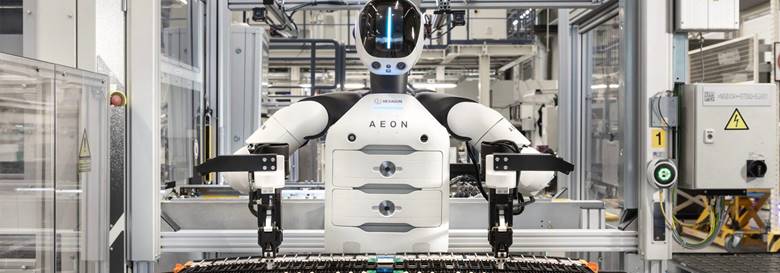
Hexagon and BMW were one of the largest industrial robotics partnerships of 2026. They aim to deploy humanoid robots and AI automation in automotive manufacturing plants.
BMW factories are evolving into smart manufacturing centres with the collaboration of robots and humans.
The Partnership’s characteristics:
- AI was used in production.
- Smart factory automation
- Autonomous material movement
- Digital twin integration
- Real-time industrial monitoring.
Mechanism
The system uses:
- Industrial robotic platforms
- Factory AI systems
- Autonomous navigation robots
- Digital mapping software
- Cloud-connected manufacturing
Technology Used
- Digital Twin Technology
- Industrial AI
- 3D factory mapping
- Autonomous robotics
- Smart sensor networks
Real Example
BMW is using Hexagon robotic systems in its Leipzig manufacturing plants to boost factory automation efficiency.
Why 2026 Is a Historic Year for Robotics
The biggest shift in 2026 is that humanoid robots are moving from research labs into commercial applications. Previously, the robots were mainly used for demonstrations. Now they work in:
- Automotive factories
- Warehouses
- Logistics centres
- Healthcare support
- Smart homes
- Industrial inspection
The key technologies that enabled this change were AI development, sensor technology and electric actuator systems.
The future of humanoid robots.
Humanoid robots can be expected to be widespread within 10 years, experts believe. There are significant investments in the following areas:
- Embodied AI
- Autonomous robotics
- Human robot collaboration
- Smart industrial automation
- AI-powered assistants
In the future, humanoid robots could be utilised in education, health care, disaster relief, care for older people and household chores.
FAQs
1. What would be the most technologically advanced humanoid robot in 2026?
Boston Dynamics’ Electric Atlas is one of the most advanced humanoid robots, as it is extremely agile, equipped with AI control systems, and capable of deployment in industry.
2. Which technology is primarily adopted in humanoid robots?
Artificial Intelligence, machine learning, computer vision, electric actuators, motion sensors and neural network systems are the key components used mainly by humanoid robots.
3. Apptronik Apollo’s purpose?
Apollo is suitable for warehouses, production and logistics in the industry.
4. Is there a loss of employment because of humanoid robots?
Humanoid robots are currently used to help humans with repetitive, dangerous or physically strenuous tasks. Most industries have employed them to enhance productivity rather than replace workers completely.
Now, the robotics industry is vying to design ever-smarter, faster and safer humanoid robots. The advancement of powered robots that can learn and adapt is evident in 2026, indicating a significant role for them in the future of the economy and industrial landscape.
Related post: – NEURA Robotics 4NE1 Gen 3 – Artificial Intelligence
1 thought on “5 Powerful Humanoid Robots of the Future”