
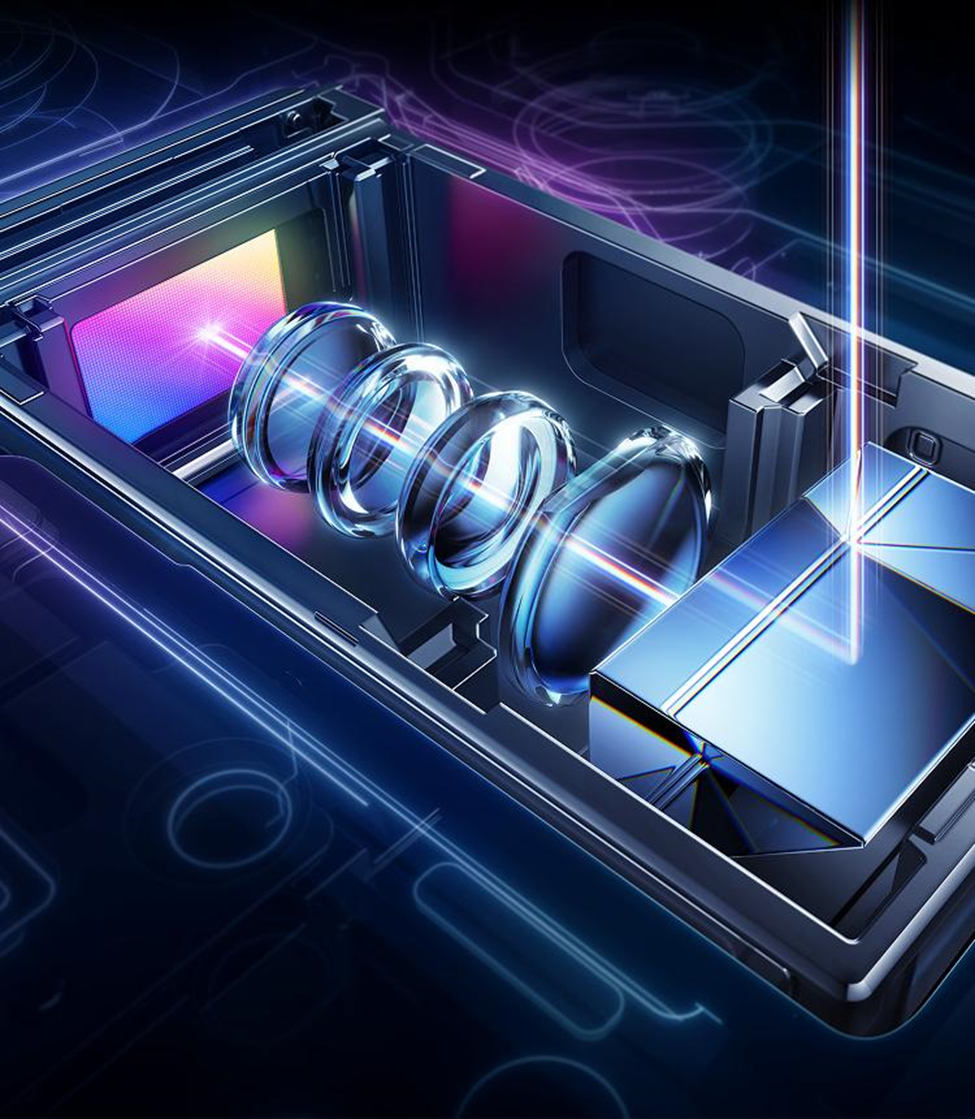

A whole new era of the smartphone camera race has begun. Now, flagship phones are zooming at DSLR levels, processing images with AI, and have enormous camera sensors. The Vivo X300 Ultra is one such device that’s driving this change. However, one big question remains: whether Vivo’s new photo kit—particularly the teleconverter attachment—will improve the company’s camera game.
Is a teleconverter really worth buying for mobile photography?
The response comes from real-life testing of wildlife shots, street photography, portrait photography, and long-distance zoom shots.
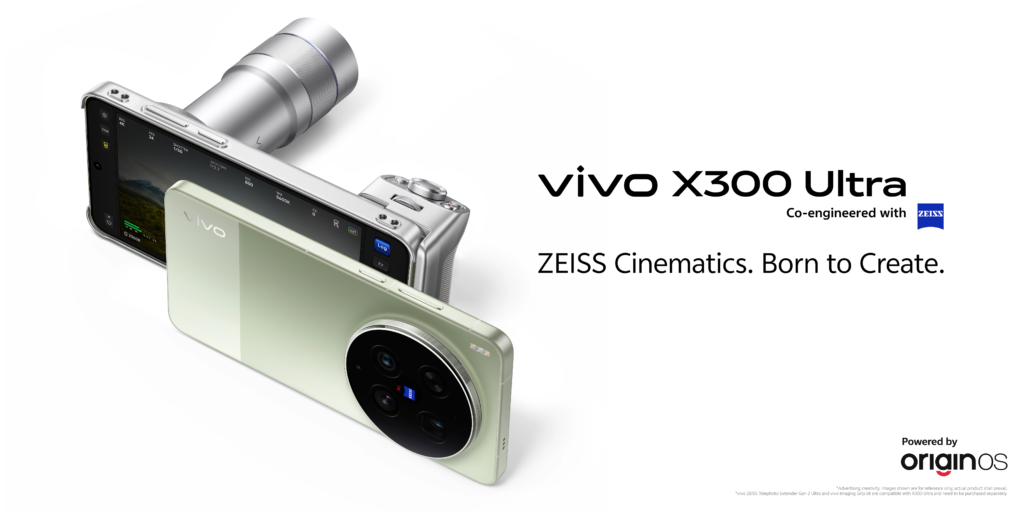
The Vivo X300 Ultra Photography Kit Explained
Source: Vivo X300 Ultra Official Website
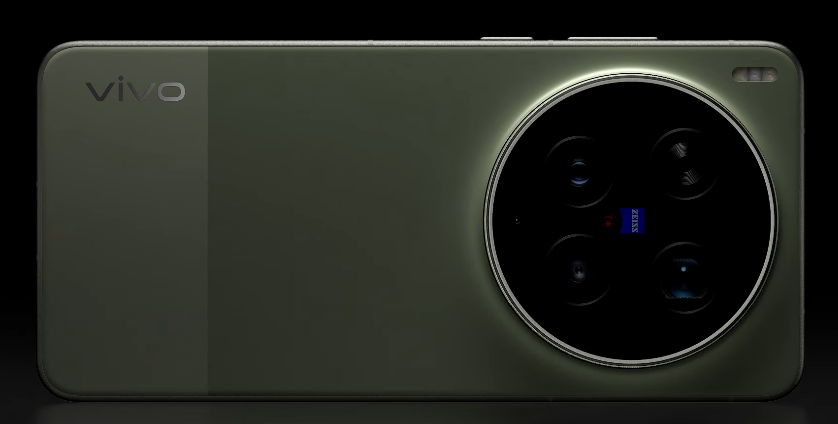
Source: Image designed by the official website
The Vivo X300 Ultra camera kit is ideal for those who wish to achieve professional-grade photography without carrying heavy camera equipment.
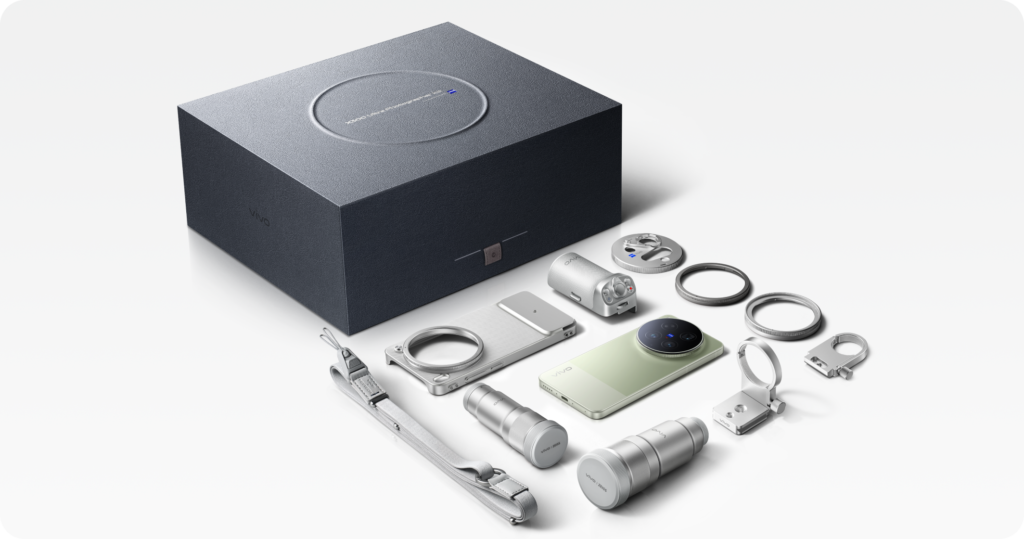
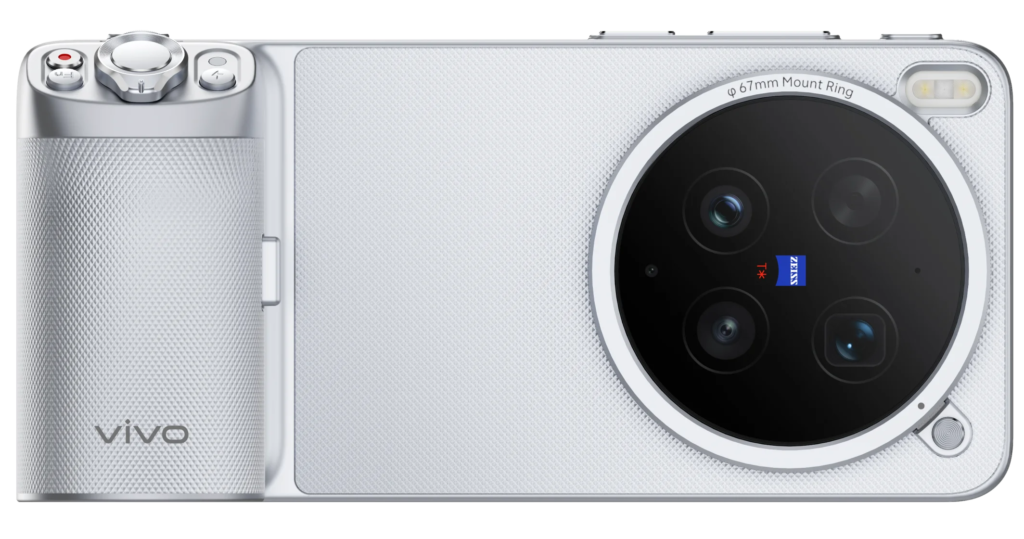
The kit contains primarily:
- External teleconverter lens
- Dedicated camera grip
- Physical shutter button
- Extra battery support
- New, improved zoom stabilization system
- Photography tools using artificial intelligence (AI)
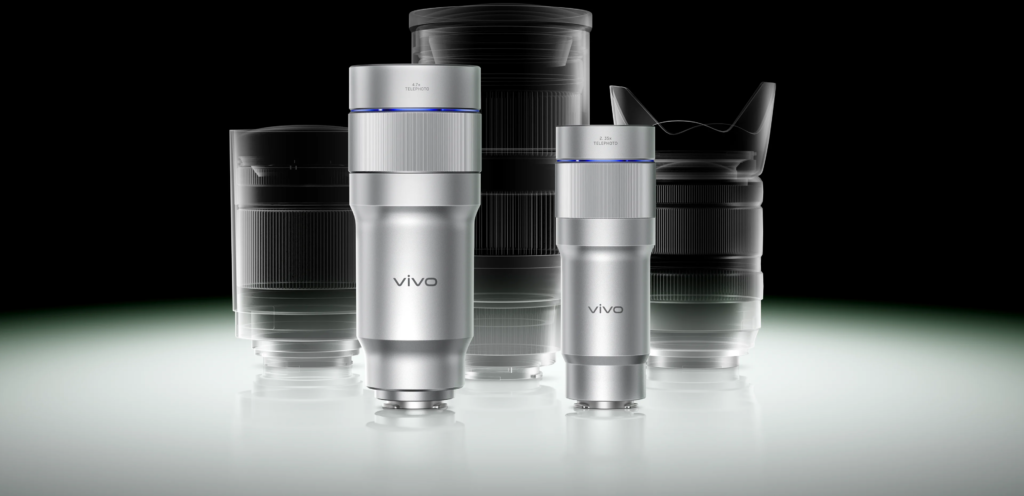
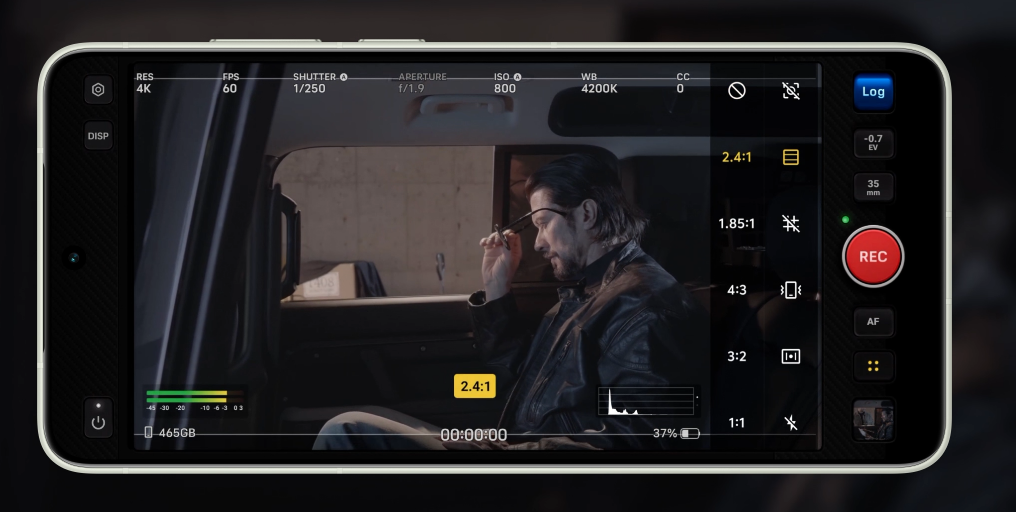
The prime feature: the teleconverter lens. The attachment will provide the phone with optical zoom at high magnification.
So what is a Teleconverter?
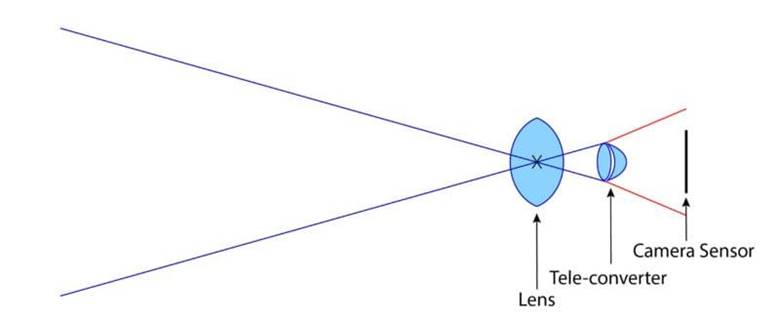
A teleconverter is an optical accessory that will increase the focal length of a camera lens. Typically, DSLR and mirrorless photographers use teleconverters to get closer to their subjects without changing lenses.
Similarly, the mechanism is used in smartphones.
The Vivo X300 Ultra teleconverter can be mounted on top of the periscope telephoto camera system. This increases the zoom range without sacrificing the amount of detail retained compared to digital zoom.
Source: Image designed by the official website
Simple Example
Suppose that you are taking snapshots:
- Birds that are far away and sitting.
- The stadium seating can accommodate cricket matches.
- Wildlife during travel
- Moon photography
- Far away buildings or mountains
The phone relies heavily on AI crop zoom without a teleconverter. The optical magnification will be raised before the software. re-processing when the.. teleconverter is used.
This provides crisper, more natural-looking images.
How the Vivo X300 Ultra Teleconverter Mechanism Works
Source: Screenshot from the official website
Source: Screenshot from the official website
Source: Image designed by the official website
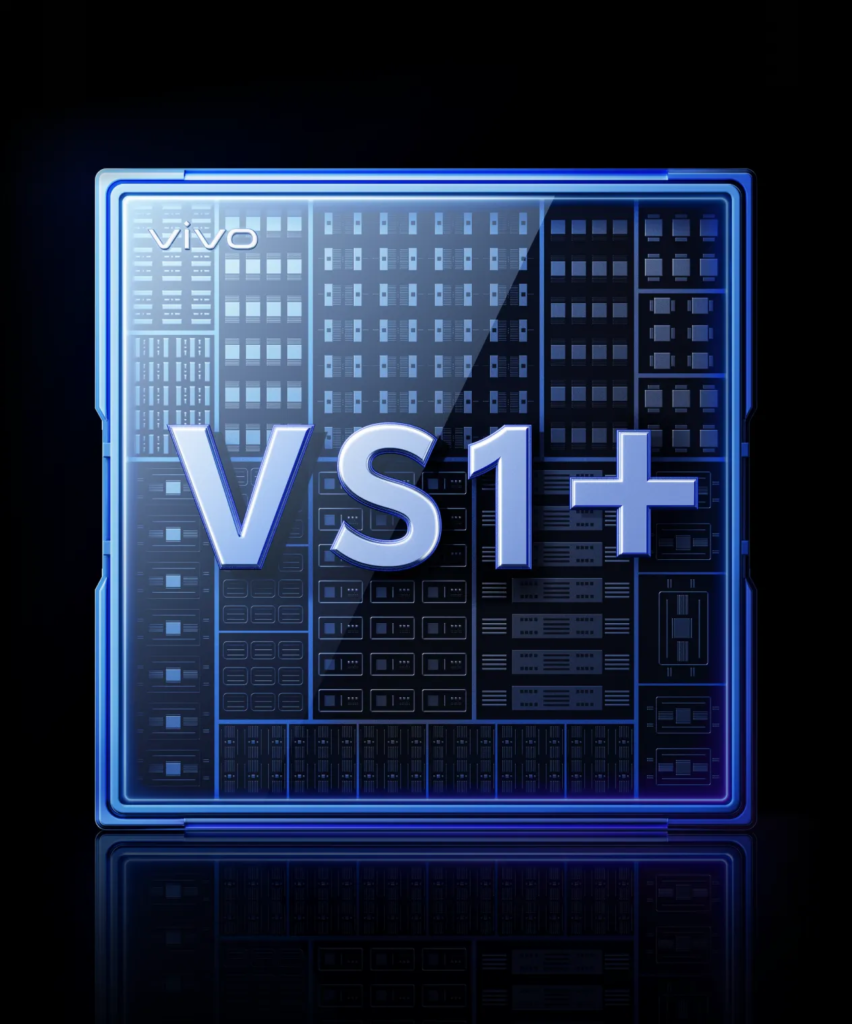
This is a combination of hardware optics and AI computational photography.
Core Technologies Used
Source: Image designed by the official website
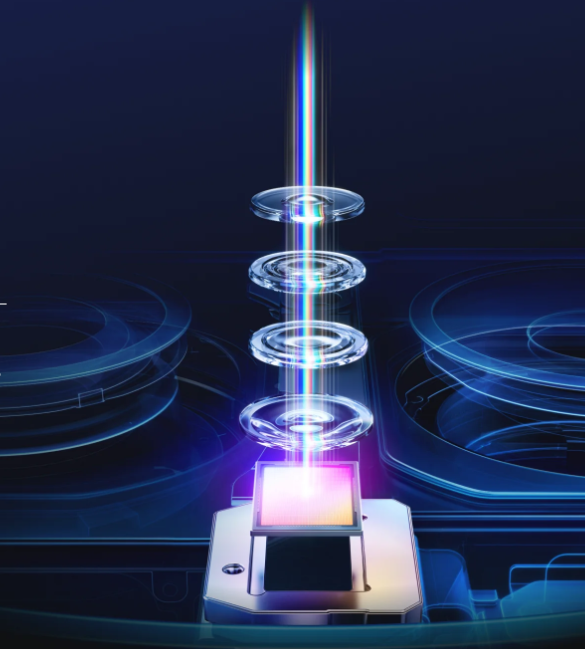
1. Periscope Zoom Technology
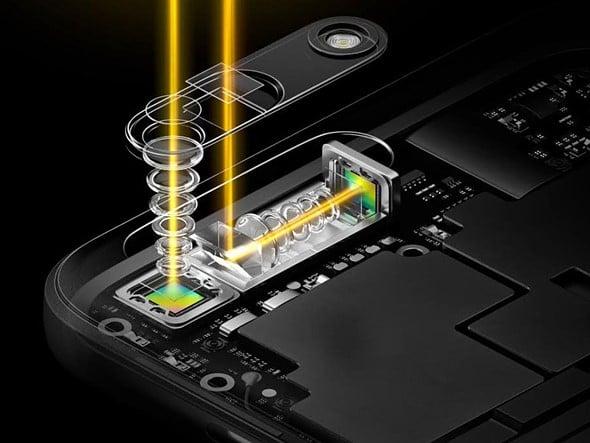
Vivo X300 Ultra is equipped with a periscope lens system.
The light is not sent downward through lenses; rather, it penetrates the prism sideways. This allows:
- Longer focal length
- Better off, call Zoom
- The provision of e is a decrease in the phone’s thickness.
- Improved image stabilization
This is already being implemented on flagship devices and is why they are premium.
2. External Optical Magnification
The teleconverter is used to extend the focal reach.
For example:
- The native zoom is 10x optical.
- An equivalent focal length of 400mm can be achieved with a teleconverter, potentially providing 20x reach.
Optical zoom does not lose texture or detail as compared to digital zoom.
3. AI Computational Photography
Vivo marries advanced AI image reconstruction with optics.
The technology includes:
- Multi-frame processing
- AI sharpening
- Motion compensation
- HDR enhancement
- Noise reduction algorithms
Enables the recovery of details even at very high zoom levels.
4. Optical Image Stabilization
Photos taken with a long-range zoom are typically shaky.
The Vivo stabilization system has brought down the blur by doing the following:
- Sensor the artificialization
- Lens movement correction
- AI motion prediction
This is very handy in hand-held photography.
Real World Test Results
1. Wildlife Photography
The teleconverter did the best in this regard.
The birds and distant animals during outdoor testing were clearly visible and performed poorly n in low light with the smartphone’s normal zoom.
What Worked Well
- Better feather details
- The artificial watercolor effect has been cut by half.
- Improved subject separation
- More natural colors
Problem Areas
- Focusing subjects continue to pose a challenge to autofocus.
- Not all zooms are created equal, and this one does not have good softness at the maximum zoom.
- May perform poorly in low-light conditions.
The enhancement is worthwhile to those who love wildlife.
2. Street Photography
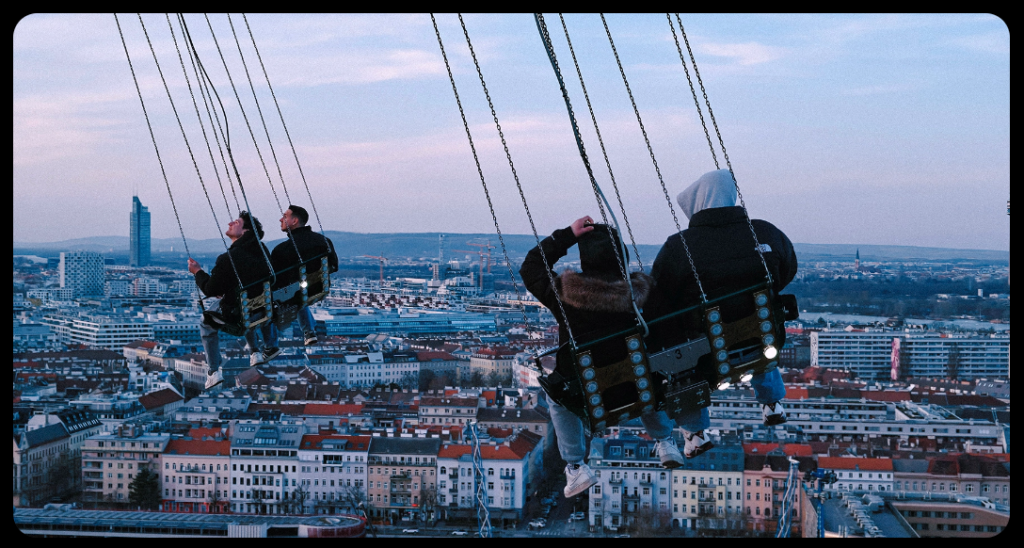
Street photographers typically prefer shooting at longer focal lengths, and the compression they provide creates a cinematic effect.
The teleconverter was used to remove the background of subjects that were far away.
Examples included:
- People crossing roads
- Street vendors
- Architectural details
- Urban portraits
Photos look like DSLR photos thanks to the compression effect.
Source: Image designed by the official website
3. Moon Photography
The art of photographing the moon has taken center stage in the marketing of flagship smartphones.
The Vivo X300 Ultra teleconverter’s results were:
- Better crater visibility
- Less over-sharpening
- A more natural appearance of the moon’s surface.
But with the advancement of AI, it still plays a big role.
This means that some of the details are only partially optically reconstructed and are instead computer-generated.
4. Sports Photography
There were mixed results in sports photography.
If the scene has a relatively slow pace:
- I have to say, stadium shots looked pretty good.
- Lots of crowd information was still visible
- The Zoom team felt powerful! The Zoom team felt powerful!
However, the problems with the fast movement were apparent:
- Focus hunting
- Motion blur
- The desire shutter response
Mirrorless cameras are not as popular as they were in the past, but the dedicated mirrorless cameras are still the king of sports photography.
Source: Image designed by the official website
Should we buy a Teleconverter?
This will depend on the sort of photographs that you like to take.
It’s worth your purchase if you:
- Love wildlife photography
- Travel frequently
- Shoot distant landscapes
- Enjoy moon photography
- The desire to capture the same zoom that a DSLR camera provides from a smartphone.
- Develop content to post on Instagram or YouTube
If you do not do any of the following, It May Not Be Worth Buying:
- Mostly shoot selfies
- Prefer casual photography
- Rarely use Zoom
- Have a small, convenient, everyday item
- Be prepared to play at the DSLR level of sports.
Advantages of the Vivo X300 Ultra Photography Kit
Source: Image designed by the official website
1. Better Long Distance Photography
The teleconverter does indeed enhance the details in the distance.
2. Professional Shooting Experience
This camera grip lets you create a compact, camera-style setup with your phone.
3. AI and Optical Combination
An optical/AI combination is remarkably effective.
4. Lightweight Travel Alternative
Users don’t have to carry bulky cameras, and the device offers impressive zoom as well.
Limitations You Should Know
1. Low Light Performance Drops
No matter how hard I try to zoom at night, I still can’t get it to work very well.
2. Added Bulk
A photography kit increases the phone’s weight.
3. Software Dependency
For a final image, AI processing plays a significant role in determining its quality.
4. Price Factor
The high-quality photography accessories will cost quite a bit more.
Source: Image design by the official website
DSLR vs Smartphone Teleconverter
| Feature | Vivo X300 Ultra + Teleconverter | DSLR/Mirrorless |
| Portability | Excellent | Heavy |
| Zoom Convenience | Very Good | Excellent |
| Low Light | Moderate | Outstanding |
| AI Processing | Advanced | Limited |
| Manual Control | Limited | Professional |
| Travel Friendly | Excellent | Moderate |
The Vivo solution is undoubtedly convenient for casual creators and travelers.
If you’re a professional photographer, then dedicated cameras are still better.
Vivo X300 Ultra vs Other Flagship Smartphones
| Feature | Vivo X300 Ultra | Samsung Galaxy S26 Ultra | iPhone 17 Pro Max | Xiaomi 16 Ultra | OnePlus 15 |
|---|---|---|---|---|---|
| Display | 6.82 inch AMOLED, 2K, 120Hz | 6.9 inch AMOLED, 120Hz | 6.9 inch OLED, 120Hz | 6.8 inch AMOLED, 120Hz | 6.82 inch AMOLED, 120Hz |
| Processor | Snapdragon 8 Elite | Snapdragon 8 Elite | Apple A19 Pro | Snapdragon 8 Elite | Snapdragon 8 Elite |
| Rear Camera | Quad 50MP ZEISS Cameras | 200MP + Triple Cameras | Triple 48MP Cameras | Leica Quad Cameras | Triple 50MP Cameras |
| Front Camera | 50MP | 12MP | 24MP | 32MP | 32MP |
| Battery | 6000mAh | 5000mAh | Around 5000mAh | 6000mAh | 6500mAh |
| Fast Charging | 90W Wired, 30W Wireless | 45W Wired | 35W Wired | 90W Wired | 100W Wired |
| Camera Quality | Excellent | Excellent | Excellent | Excellent | Very Good |
| Gaming | Excellent | Excellent | Very Good | Excellent | Excellent |
| Software | Funtouch OS | One UI | iOS | HyperOS | OxygenOS |
| Best For | Photography | Productivity | Apple Ecosystem | Photography | Perforance |
Which Phone Wins?
| Category | Winner |
|---|---|
| Camera | Vivo X300 Ultra |
| Gaming | OnePlus 15 |
| Battery | OnePlus 15 |
| Charging | OnePlus 15 |
| Productivity | Samsung Galaxy S26 Ultra |
| Ecosystem | iPhone 17 Pro Max |
| Overall Photography | Vivo X300 Ultra |
My Personal Experience
After comparing these flagship phones, the Vivo X300 Ultra stands out for its camera system. The ZEISS-tuned cameras capture stunning photos in both daylight and low light, making it my top choice for photography. If I mainly created content or loved mobile photography, this is the phone I would buy. For users who prioritise gaming or ultra-fast charging, the OnePlus 15 is a better fit. Overall, the Vivo X300 Ultra offers one of the best camera experiences available in a smartphone.
Final Verdict
Vivo X300 Ultra teleconverter is more than a gimmick.
In real-world photography, it provides useful zoom enhancements. Long-distance photography is an obvious advantage in the wildlife, moon, and long-distance photography genres.
Vivo’s fusion of the periscope optics, AI computational photography, and stabilization technology is its standout feature.
However, it can’t be used entirely in place of professional camera systems.
The teleconverter might be worth considering for creators, travelers, mobile photographers, and tech enthusiasts. If you are using the camera for casual purposes, the basic camera package might be sufficient.
Direct Purchase Link Here: https://amzn.to/4v6sz0O
1.FAQs
What does a teleconverter do in smartphone photography?
A teleconverter is used to magnify the camera lens, enabling the subject being shot to appear more optically detailed at a greater distance.
2. Will the Vivo X300 Ultra teleconverter add to the picture quality?
Yes. It enhances optical magnification before AI processing, so it performs better at long distances.
3. Can you use the Vivo X300 Ultra to take wildlife photos?
Yes. The phone is quite good for wildlife and nature photography – particularly when the light is good.
4. Can a smartphone teleconverter be used as a DSLR camera?
Not completely. While smartphone cameras are portable and convenient, DSLR and mirrorless cameras offer better low-light performance, greater control, and a more professional look.
Related Post: Top 5 Most Powerful Smartphones of 2026