
The Fantasy Becomes Reality
The flying car has long been a symbol of the picture of the future, the vision that has never been attainable over decades, but constantly being on the edge of reality, consisting of a series of movies and animated shows and always being almost at hand. Currently, this long-awaited idea is shifting away on the conceptual fantasy to practical reality in the innovation hubs of Northern California, where technologists are making aerial-automotive integration a reality.
Alef Aeronautics Leads the Charge
Alef Aeronautics, headquartered in San Mateo, is pioneering a novel transportation sector. During December 2025, the company initiated manual assembly of its Model A Ultralight—a dual-mode vehicle capable of both terrestrial navigation and vertical aerial ascent. The craft operates on conventional roadways before elevating above congestion without requiring dedicated landing infrastructure. Its architecture incorporates streamlined fuselage engineering coupled with autonomous flight-control mechanisms that ensure aerial equilibrium.
Engineering Compromises and Capabilities
The Model A represents an intermediate between performance and constraints. Ground travel covers a distance of 200 miles at 25 mph and aerial is 110 miles at 110 mph. By-passing traffic is also possible but long highway travel is not viable. It costs more than its competitors at $300,000 and has already sold 3,300+ pre-orders, and is available to high-end early adopters who value speed and versatility.
The Competitive Landscape
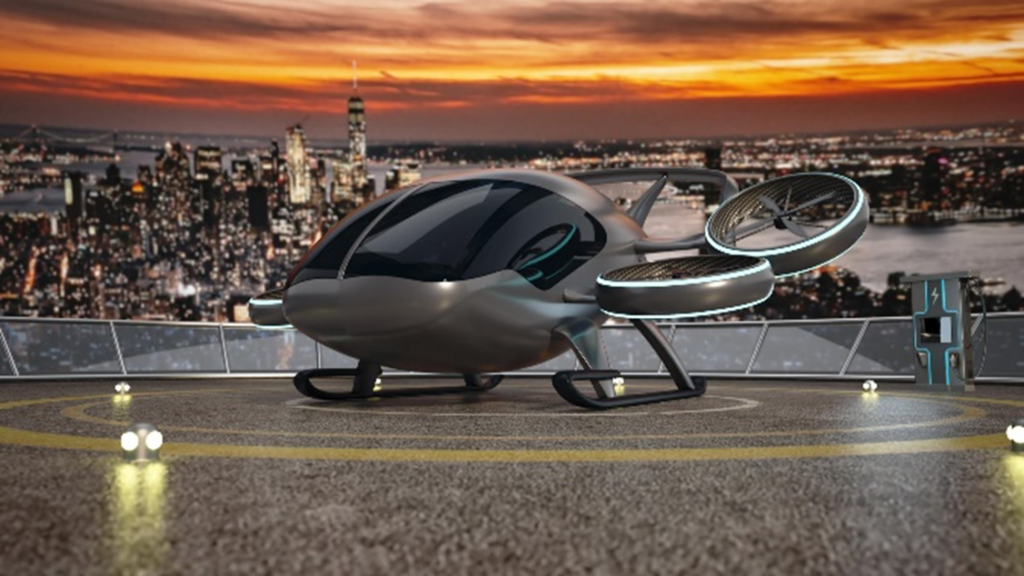
Alef is sharing skies with others. Archer Aviation and Joby Aviation, with a large presence in the Bay Area, are actively competing in the urban air mobility market with electric vertical takeoff and landing (eVTOL) technology that is specifically designed to serve urban transit. Joby has already started business by sending its first production unit to Dubai, and Archer achieved FAA approval to conduct on-demand aerial shuttle flights.
Regulatory and Technical Hurdles
Limitation of power cells restricts the distance travelled and the carrying capacity. Rules are behind the innovation. Unpopulated areas and daytime flight are still pre-requisites of ultralight aviation according to FAA requirements. In the meantime, the DMV of California still defines such craft as a highway transportation.
However, progress can be discerned. Dukhovny imagines going through short transit distances of thirty to a hundred miles.
The Convergence Moment
The inflection point of today is as a result of convergence of technologies. The use of electrified drive systems, self-navigating software and next-generation composites have no longer remained in conceptual form, but have been converted into practical solutions. Commercial businesses are busy producing, field testing and commercializing such innovations to the end-user markets.
Conclusion
Drones have gone beyond the realm of imagination to the mass-produced item, including waitlists. Their ability to ease gridlock on the ground-level-or at least to move it to the heavens-is yet to be proven, but the tech hub already won its departure permission.