

Technology is faster than ever in 2026. AIs, robotics, wearable computing, and smart automation are transforming people’s lives, their work, and their interactions. The future of gadgets in 2026 promises not just powerful devices but also smarter, more human-centric technology.
Some companies, such as Google, Meta, Samsung and Apple, are already spending billions on future gadgets, ranging from AI smart glasses to humanoid robots. A lot of these gadgets feature Artificial Intelligence, Augmented Reality, Machine Learning, Neural Processing Units, and high-tech sensors, creating a future experience.
The following are the top 5 upcoming gadgets in 2026 that are set to revolutionise the future.
1. AI Smart Glasses
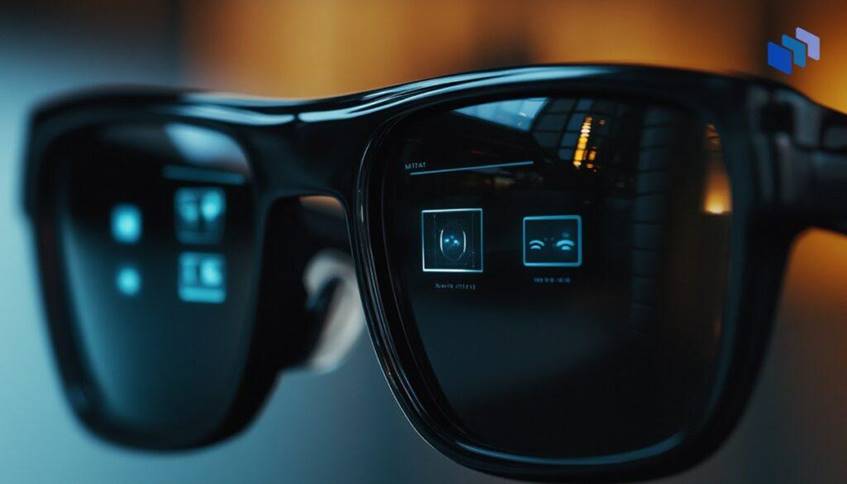
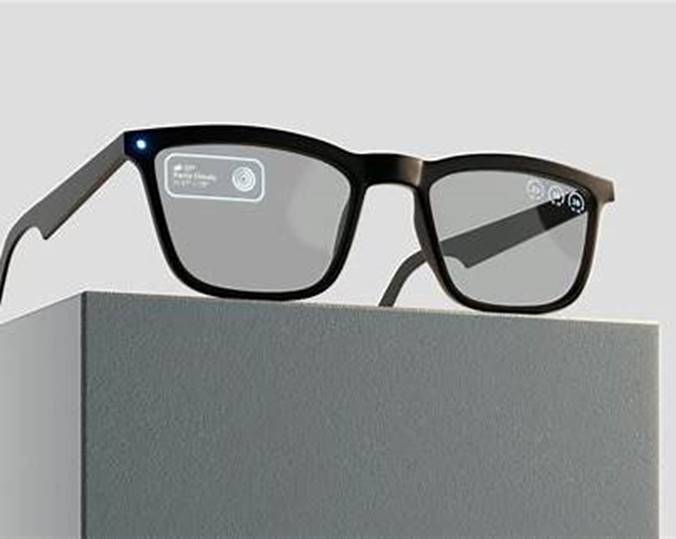
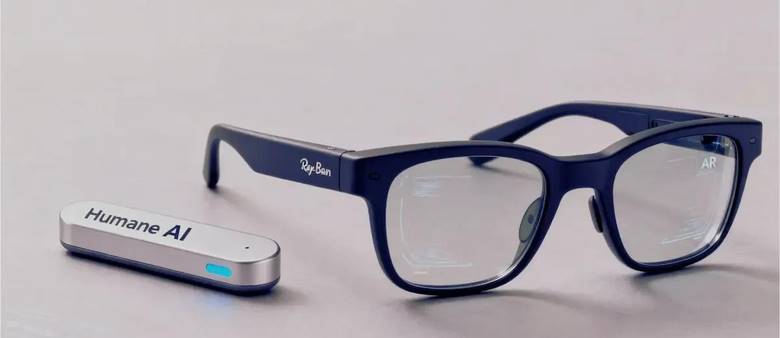
AI Smart Glasses will be one of the major technological trends of 2026. Companies such as Google, Meta, and Apple are developing futuristic glasses that integrate Augmented Reality with artificial intelligence.
Features
- Real-time language translation.
- Navigation directly on the lens
- AI voice assistant
- Provide the ability to record video and photographs.
- Use Live Subtitles when talking together.
- Human face and object identification
Mechanism
These glasses are used:
- For tiny displays, you’re looking at OLED or Micro LED displays.
- AI chips and Neural Engines.
- Wi-Fi, LAN and USB
- Furthermore, smart cameras and motion sensors are available.
- A cloud-based AI processing solution.
- AI can analyse data in real time and show results on the lens.
Technology Used
- Artificial Intelligence
- Augmented Reality
- Computer Vision
- Natural Language Processing
- Eye Tracking Technology
Example
Meta Ray Ban Display glasses can already translate languages and provide AI assistance. Google has also announced the debut of its AI smart glasses, scheduled for 2026.
In the future, these gadgets may replace smartphones in daily life.
2. Rollable Smartphones

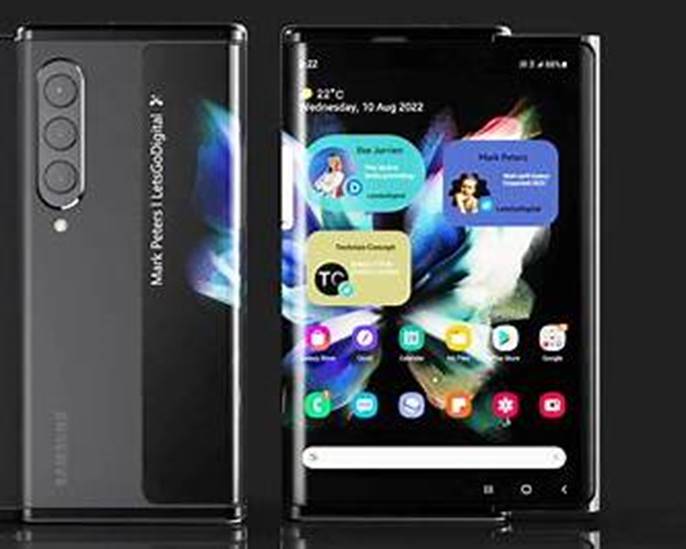

This was just the beginning of foldable phones. Rollable smartphones are likely to be adopted more widely in 2026. These phones can automatically resize the screen.
A normal cell phone can be converted to a tablet in seconds.
Features
- Expandable display
- Ultra-thin flexible screen
- Better multitasking
- Compact pocket size
- AI-integrated display optimisation. AI-powered display optimisation.
Mechanism
- The display rotates around inside the phone with:
- Flexible OLED panels
- Motorised rolling mechanism
- Sliding frame system
- Durable polymer materials
- Tap a button to automatically extend the screen outward.
Technology Used
- Flexible OLED Display
- Nano coating protection
- Adaptive screen tech powered by AI.AI screen adaptive technology.
- Advanced lithium batteries
Example
Rollable phones have been demonstrated before at tech events by Motorola and Samsung.
This technology could enable future smartphones to be thinner and more portable.
3. AI Humanoid Robots

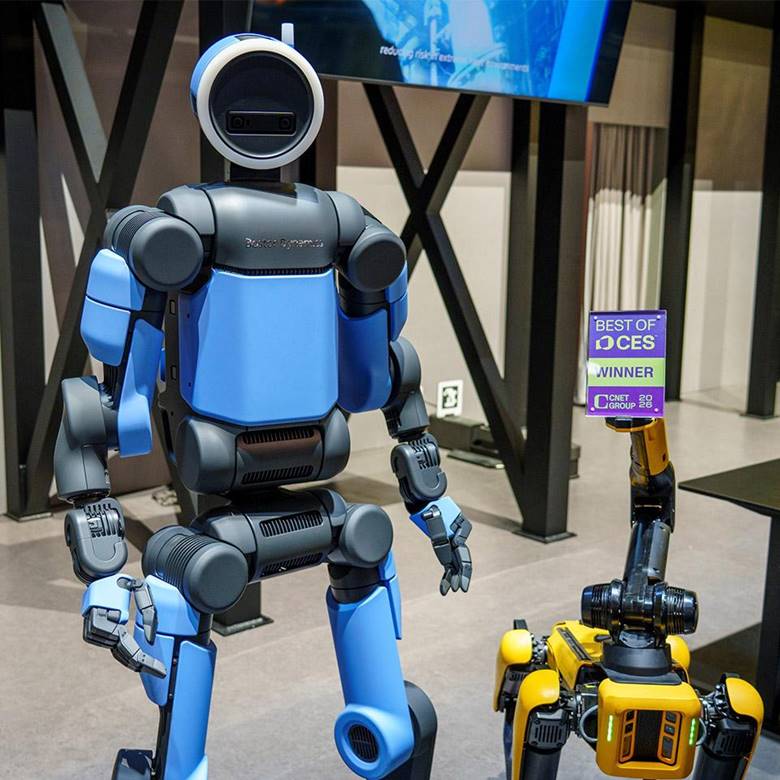
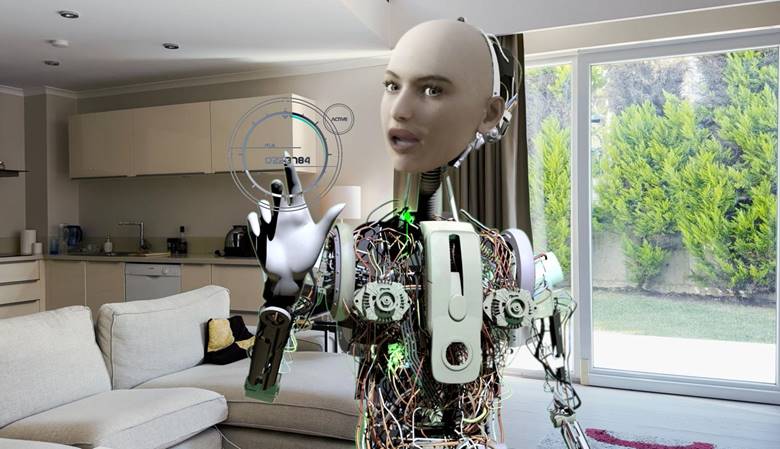
In 2026, humanoid robots are getting increasingly realistic. Such robots can walk, talk, recognise faces and even do housework.
Robots are being created to serve in homes, hospitals, offices and factories.
Features
- Human-like movement
- Voice communication
- Smart object handling
- Home assistance
- AI technology for emotional interaction.
- Automatic learning capability
Mechanism
Humanoid robots work using:
- AI processors
- Vision sensors and cameras
- This can be done by using hydraulic or electric motors.
- Machine learning algorithms
- Motion balancing systems
- The robot gathers information from a sensor, applies it to AI to execute a task, or learns from it and executes a task.
Technology Used
- Artificial Intelligence
- Robotics Engineering
- Machine Learning
- Sensor Fusion Technology
- Computer Vision
Example
Now, Boston Dynamics’ Atlas robot and Figure AI robots are already performing some advanced movements and handling tasks.
These robots could be used in the future to help elderly persons, do dangerous tasks and aid in everyday work.
4. AI Home Assistant Robots
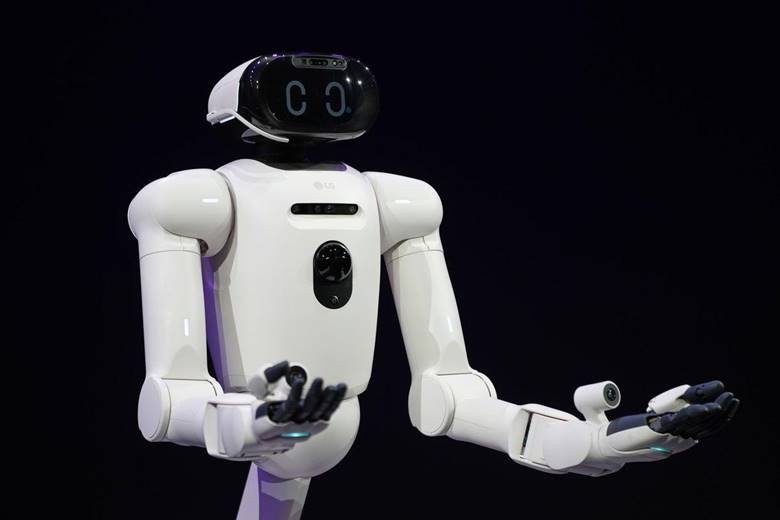
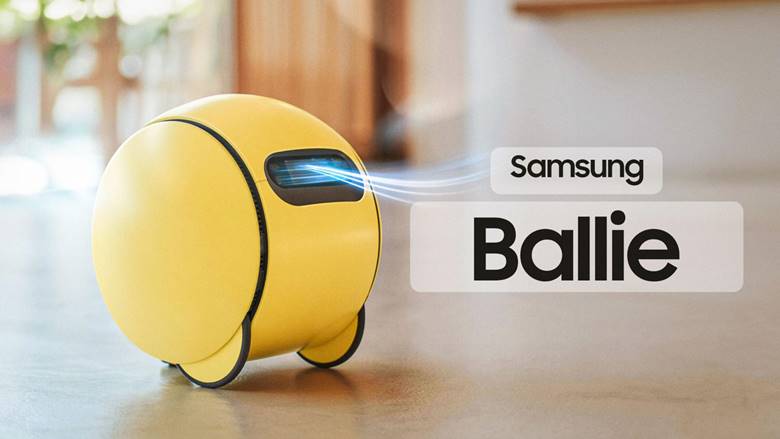
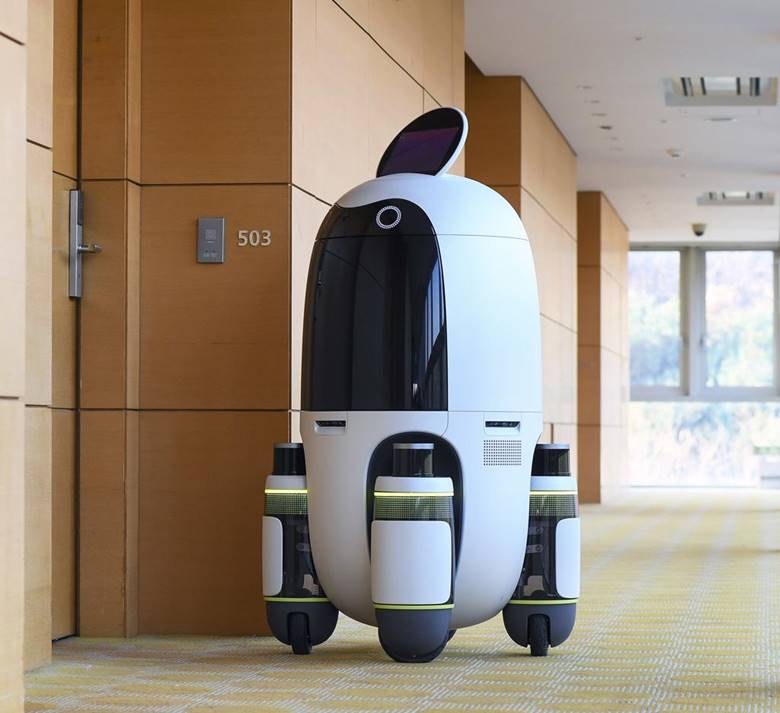
Intelligent robots for the smart home are getting smarter in 2026. These robots can control smart homes and help users remember things; they can even communicate naturally.
One of the most popular upcoming home robots is Samsung Ballie.
Features
- Smart home control
- Voice assistant
- Video calling
- Security monitoring
- Health reminders
- Personalised recommendations
Mechanism
These robots use:
- AI-powered cameras
- LiDAR navigation sensors
- Voice recognition systems
- Smart home connectivity
The robot navigates around the house on its own and controls devices via WiFi or Bluetooth.
Gadgets Used
- Internet of Things
- AI automation
- LiDAR mapping
- Cloud computing
- Smart assistant software
Example
Samsung Ballie can track users, control appliances, and provide fitness information.
Robots can be personal assistants in the future.
5. AI-Powered Wearable Health Gadgets
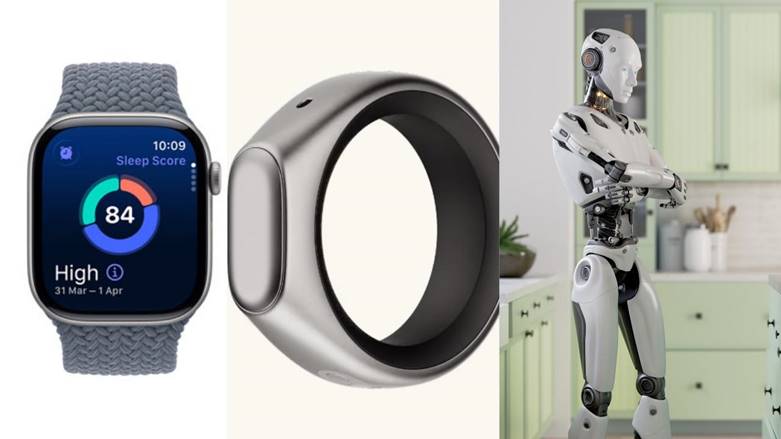
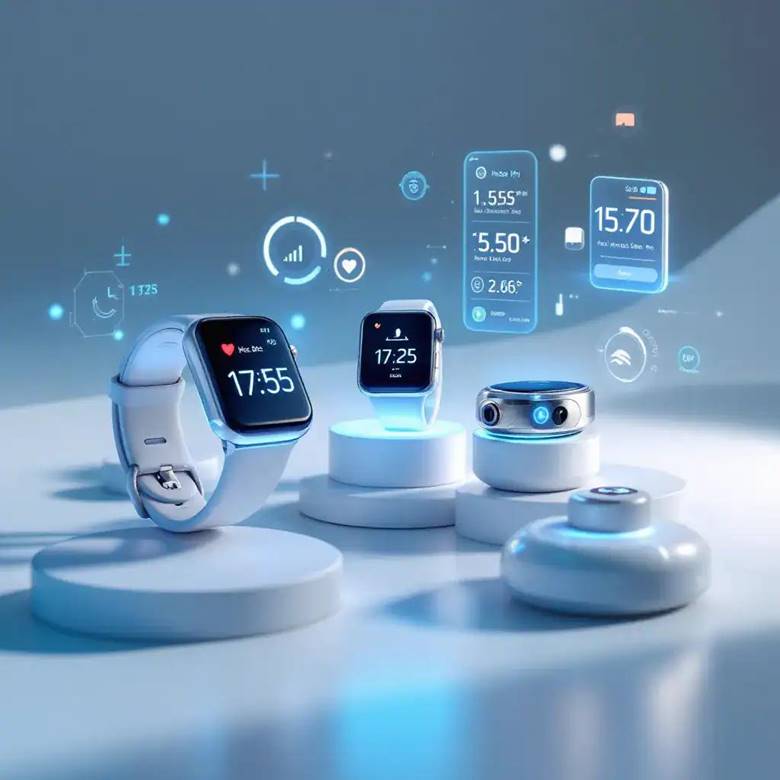
In 2026, health gadgets are becoming more intelligent, thanks to AI-powered monitoring systems. Such gadgets can monitor sleep, stress, heart health, oxygen concentration, and body temperature in real time.
Features
- Continuous health monitoring
- Stress detection
- AI health prediction
- Smart fitness tracking
- Emergency alerts
Mechanism
Body signals are captured by wearable health devices using sensors. Patterns are identified using AI algorithms, and personalised health insights are provided.
Technology Used
- Biosensors
- Artificial Intelligence
- Bluetooth Low Energy
- Predictive Analytics
- Health Monitoring Algorithms
Example
Smart rings and sophisticated smartwatches are now widely being adopted around the world as AI wearables.
In the future, the devices can forecast diseases before they onset.
Why These Gadgets Matter in the Future
The gadgets of 2026 are centred on improving:
- Faster communication
- Better health tracking
- AI automation
- Improved productivity
- Smart living experience
AI ecosystems will enable many future gadgets to function together. Your glasses, watch, home robot and your cell phone could talk without speaking a word.
The future of technology is moving faster than ever. Gadgets that once looked impossible are now becoming part of everyday life. From AI powered wearables to futuristic smart devices, these innovations are changing how people work, travel, communicate, and stay healthy.
Here are five futuristic gadgets that could completely transform human life in the coming years.
AI powered smart glasses are becoming one of the most exciting technologies in the world. These glasses can display notifications, translate languages in real time, record videos, and even guide users using augmented reality.
For example, if you travel to another country, the glasses can instantly translate road signs and conversations in front of your eyes. Students may use them to access educational information during study sessions. Professionals can attend virtual meetings without carrying laptops.
Companies are also adding voice assistants and AI features that allow users to control devices simply by speaking commands.
Why these gadgets matter:
• Hands free technology
• Real time language translation
• Augmented reality navigation
• AI assistance anywhere
Smart rings are becoming more advanced than fitness bands and smartwatches. These small wearable devices can monitor heart rate, sleep quality, oxygen levels, stress, and physical activity throughout the day.
Unlike bulky smartwatches, smart rings are lightweight and comfortable for daily use. Many users prefer them because they look stylish while still offering advanced health tracking.
For example, a smart ring can alert users if stress levels increase during work or if sleep quality becomes poor. Athletes can monitor recovery and body performance more accurately.
In the future, smart rings may even detect early signs of health problems before symptoms appear.
Key benefits:
• Continuous health monitoring
• Compact and stylish design
• Better sleep tracking
• AI based fitness insights
Augmented Reality and Virtual Reality headsets are transforming entertainment, education, and business. These devices create immersive digital experiences that feel realistic.
Students can attend virtual classrooms. Doctors can practice surgeries in virtual environments. Gamers can experience ultra realistic worlds directly from their homes.
For example, architecture students can walk through 3D building designs before construction starts. Businesses can conduct virtual office meetings where employees interact as digital avatars.
As internet speeds improve and AI technology becomes stronger, AR and VR devices may replace traditional screens in many industries.
Why AR and VR are important:
• Immersive gaming experiences
• Virtual learning environments
• Digital business meetings
• Advanced training simulations
Home robots are slowly becoming practical for daily life. Modern AI robots can clean homes, manage schedules, answer questions, and assist elderly people.
Future robots may cook food, manage smart home devices, and provide emotional interaction through AI conversations.
For example, elderly people living alone may use robots for reminders about medicines, emergency assistance, and communication with family members. Busy professionals may rely on robots for household management.
These robots are becoming smarter because of machine learning and natural language processing technologies.
Major advantages:
• Smart home management
• Assistance for elderly people
• Time saving automation
• AI powered communication
Flying electric vehicles are no longer science fiction. Many companies are developing futuristic air taxis and personal flying transport systems.
These vehicles may reduce traffic problems in large cities and shorten travel times dramatically.
For example, a journey that normally takes two hours by road may take only fifteen minutes using flying transportation systems.
Most futuristic flying vehicles use electric technology to reduce pollution and fuel dependency. Governments in several countries are already testing air mobility projects.
Potential benefits include:
• Faster urban transportation
• Reduced traffic congestion
• Cleaner electric mobility
• Advanced smart city infrastructure
Technology is changing human life at an unbelievable speed. Gadgets that once existed only in movies are now becoming real products. AI, automation, augmented reality, and smart wearable devices are shaping a future where daily life becomes faster, smarter, and more connected.
People who understand these technologies early may benefit the most in education, business, health, and communication. The next decade could completely redefine how humans interact with the digital world.
This future is fueled by:
- Artificial Intelligence
- 5G and 6G connectivity.
- Cloud computing
- Advanced robotics
- Smart sensors
These technologies are expected to shape our lives in the coming 10 years.
FAQs
1. Which gadget will become most popular in 2026?
AI Smart Glasses are expected to become one of the biggest tech gadgets because they combine communication, AI assistance, and augmented reality.
2. Are humanoid robots real in 2026?
Yes. Companies like Boston Dynamics and Figure AI are already developing advanced humanoid robots for real-world tasks.
3. What technology powers future gadgets?
Most future gadgets use Artificial Intelligence, Machine Learning, Augmented Reality, sensors, cloud computing, and smart connectivity systems.
4. Can AI gadgets replace smartphones?
Many experts believe AI smart glasses and wearable devices may reduce smartphone dependency in the future.
5 futures Gadgets: – Top 10 Life Changing Gadgets That Arrived in India 2025
Related Post: –Top 6 New Gadgets Launched This Week: in 2026 – aziztechsolutions.com
2 thoughts on “Top 5 Futuristic Gadgets That Will Change Human Life Forever”