
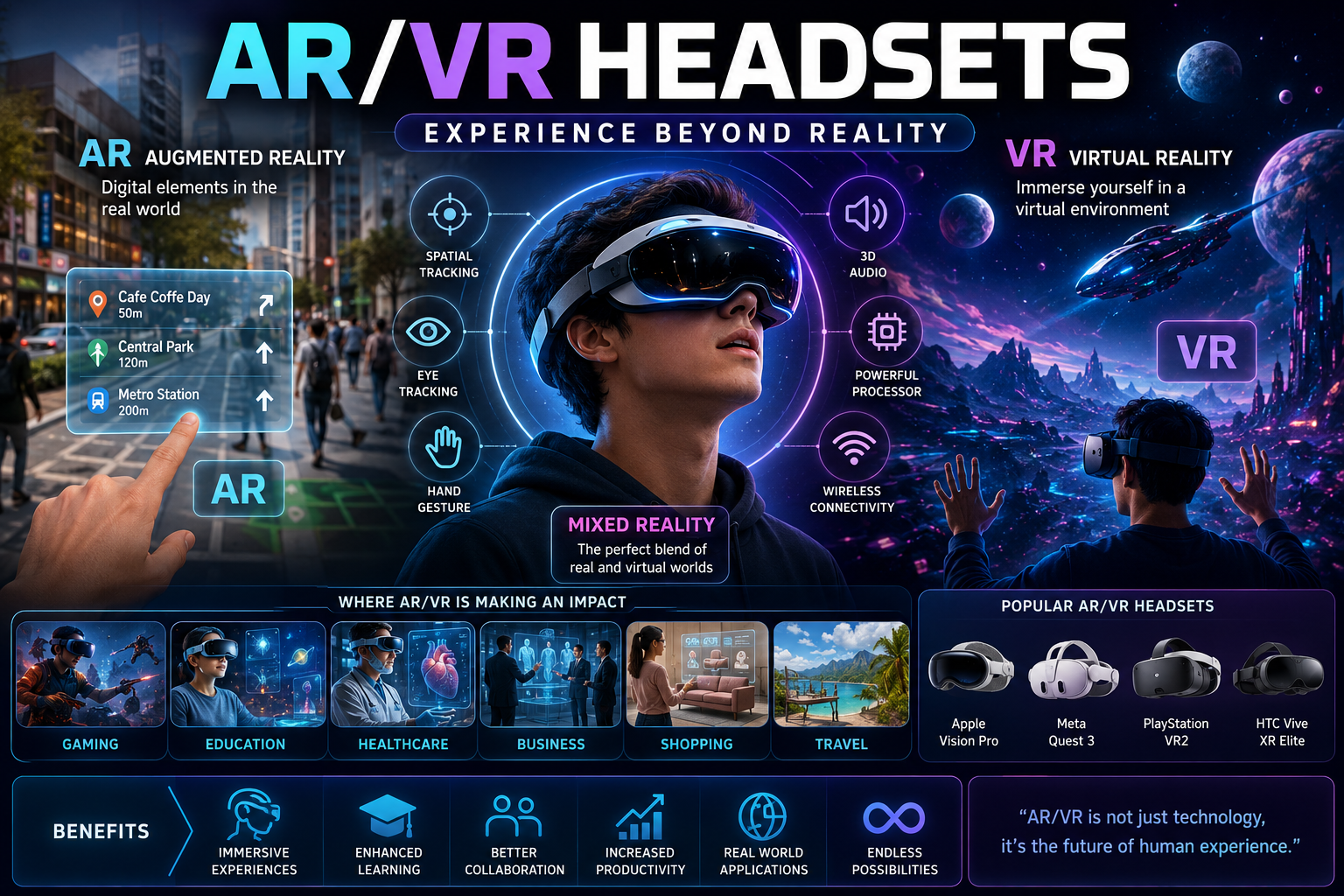

Technology evolves rapidly. The introduction of smartphones changed the way we communicate. The rise of Artificial Intelligence changed automation. The newest of these new technologies is AR and VR, which provide new interfaces in digital environments.

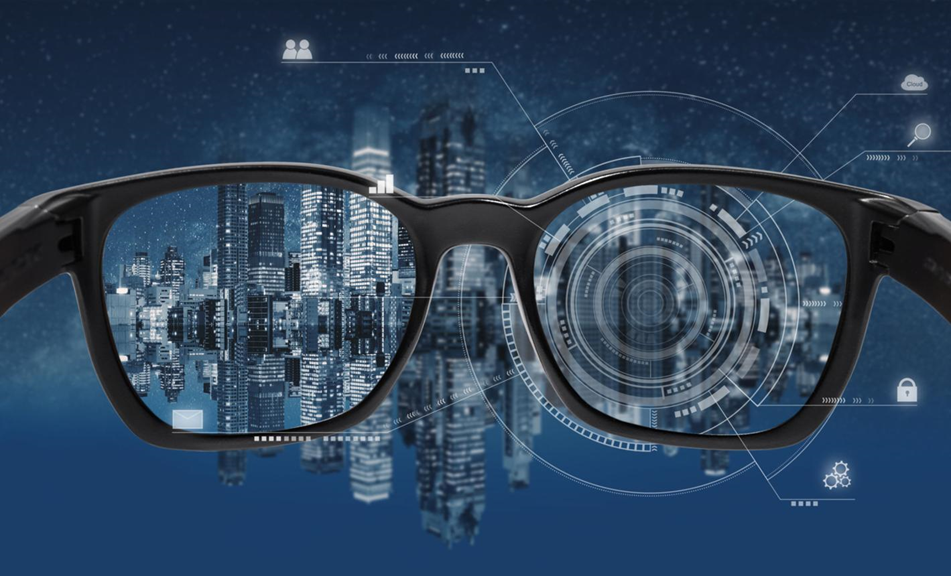
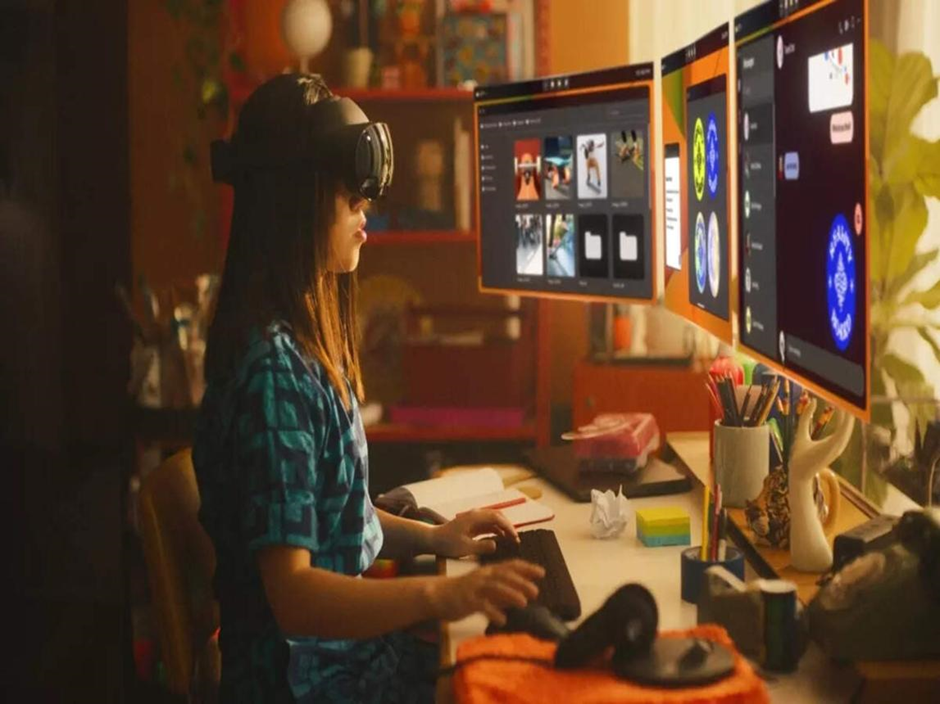
From gaming and learning, to healthcare and even business meetings, these technologies are inevitably the future. Companies like Apple, Meta, and Sony have started putting their resources into these technologies.
Some industry insiders believe the AR and VR technologies will be some of the greatest revolutions in the next decade.
What are AR and VR Headsets?
AR and VR both create digital environments. Neither of them works the same.
What is Virtual Reality?
VR is am immersive experience in a digital environment, completely cutting you off from the world. With a VR headset, you are free to look around, interact, play games, go to meetings, or even take a trip to a digital city.
Example of VR:
Imagine playing a racing game where you feel like you are inside the car.
What is Augmented Reality?
With AR, you see the real world and the digital world coexisting by adding graphics to the reality.
An example of AR is AR glasses that aid the user in grocery shopping by displaying the location of items.
Mixed Reality = VR + AR
All this technology bundled in a more advanced tech is called Mixed Reality (MR). Apple’s Vision Pro allows for a seamless interface in both digital and real world environments as is displayed on both.
How AR and VR Headsets Work
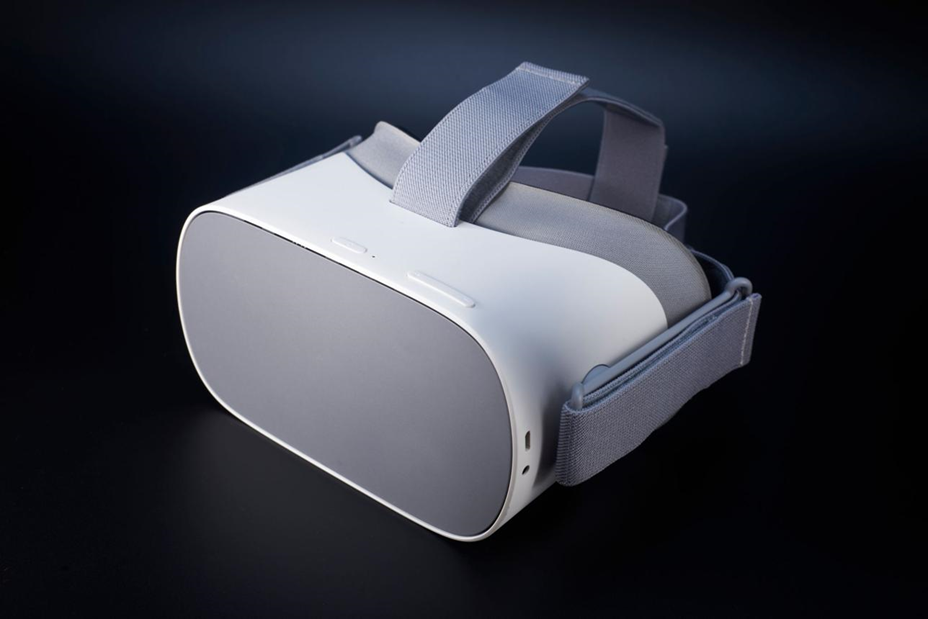
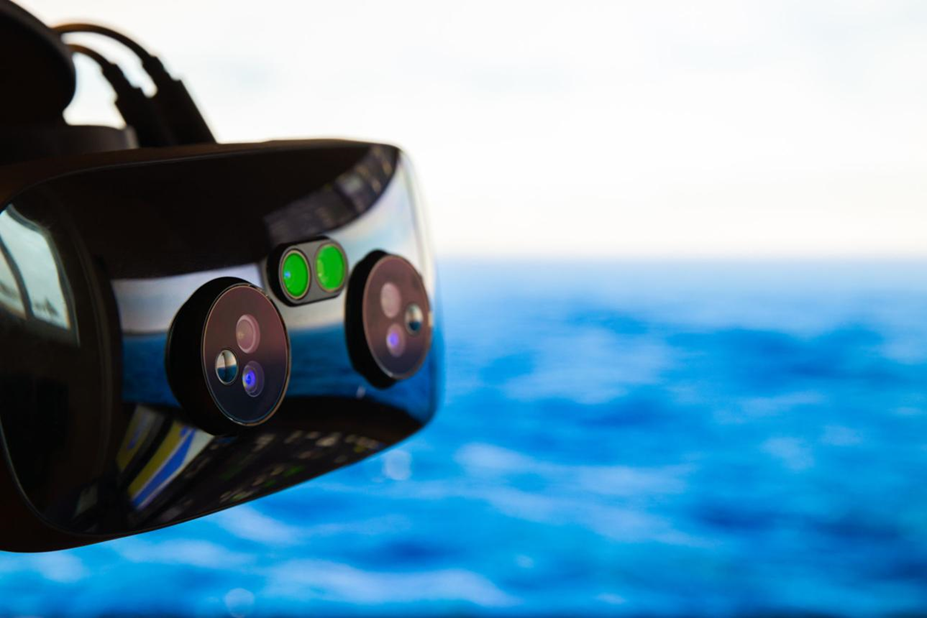
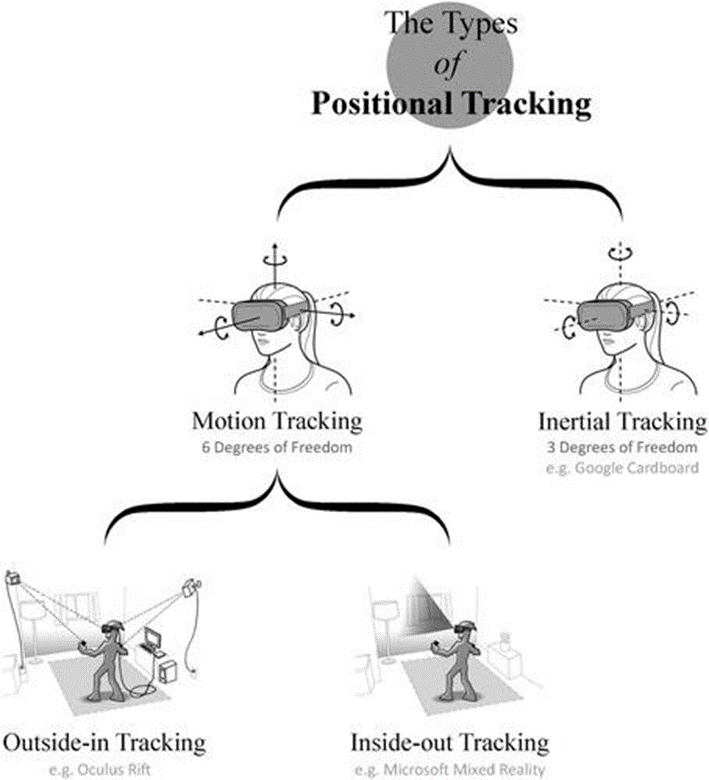
AR/VR headsets combine different technologies into an immersive and interactive experience.
Components include:
- High resolution displays
- Motion tracking sensors
- Cameras
- Spatial audio systems
- Eye tracking
- Powerful processors
- AI enhanced mapping
A headset can track head movement and change the environment in real time based on the user’s desires, making the user feel as if they are present in the new reality.
The premium level of headsets can track:
- Hands
- Full body movement
- Voice commands
- Gestures
- Real-time object scanning
These features greatly increase immersion.
________________________________________
Best AR/VR Headsets in 2026
1. Apple Vision Pro
This premium mixed reality headset changed the industry with ultra-high resolution displays and advanced eye tracking.
Key features:
- Spatial computing
- Ultra realistic visuals
- Eye and hand control
- App integration
- Workflow productivity tools
Best for:
- Professionals
- Creators
- Tech Enthusiasts
2. Meta Quest 3
One of the most popular VR headsets for gaming and entertainment.
Key features:
- Wireless gaming
- Mixed reality support
- Great value
- Massive gaming library
Best for:
- Gamers
- First timers
- Students
3. PlayStation VR2
Perfect for console gaming lovers.
Key features:
- Immersive gameplay
- Graphic rendering
- Eye tracking
- Feedback through sensory vibrations
Best for:
- Console gamers
- Lovers of action games
4. HTC Vive XR Elite
This is focused on professional and enterprise use.
Main Features:
- Lightweight
- Effective tracking
- Business tools
- Simulations
Ideal for:
- Companies
- Training centers
- Software developers
AR/VR Headsets in Gaming
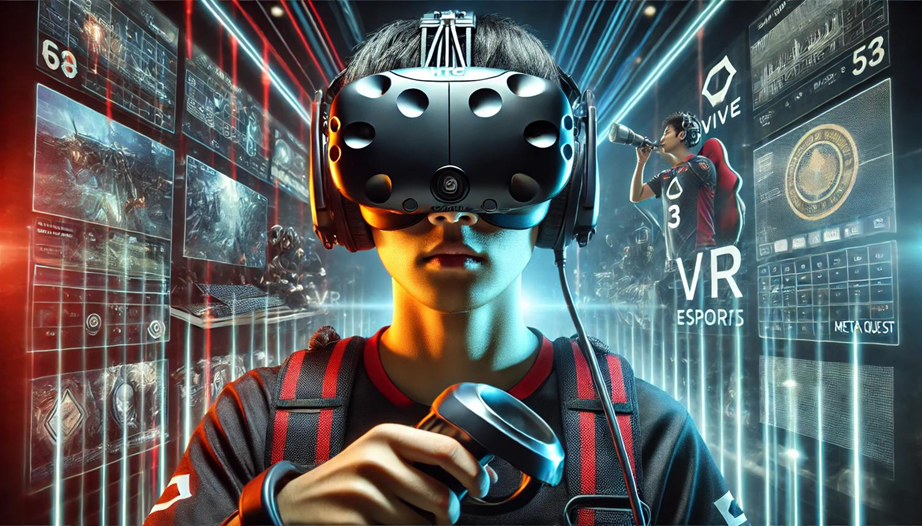
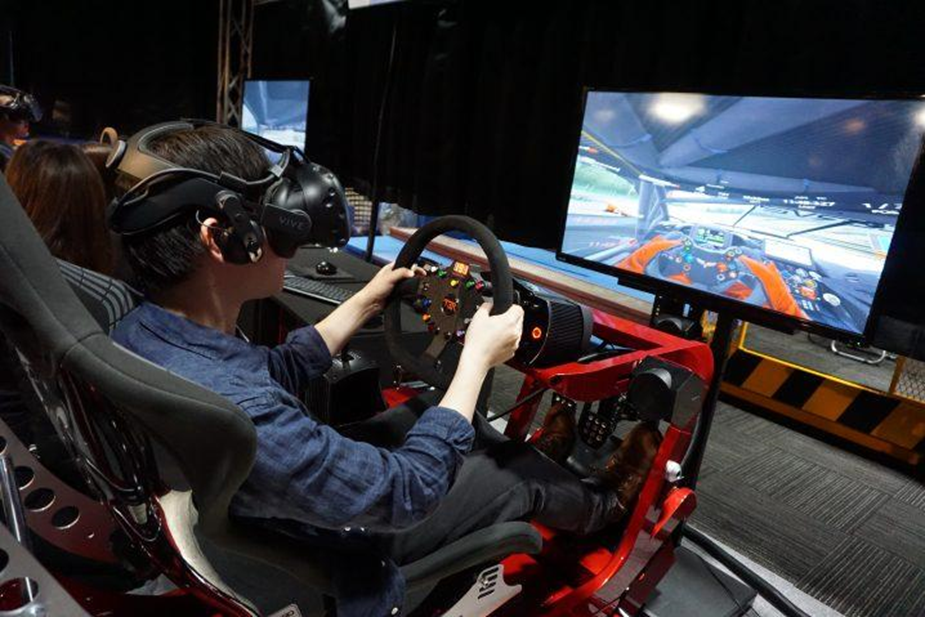
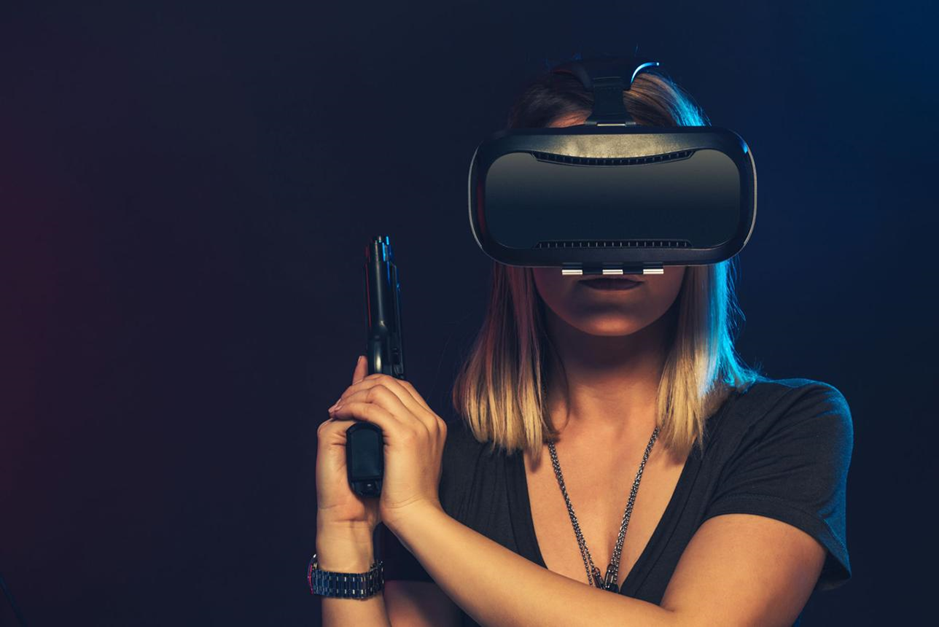
The explosive growth in VR headset sales can be attributed to its incorporation in gaming.
With regular gaming, you can only see the game. VR gaming lets you become part of the game.
More and more people are now using VR for:
- Racing
- Horror
- Sports
- Adventure
- Multiplayer
For example:
In a VR boxing game, you actually have to punch the enemies which also serves as a workout.
A lot of esports companies are trying VR for their events
AR/VR in Education
AR/VR has started to make education more engaging.
Now the learners can:
- Take a virtual trip to the past
- Do science experiments without the risk of breaking something
- Travel to outer space in a simulation
- Learn anatomy in a digitized 3D environment
- Participate in a classroom in a different country
For example,
With the use of VR, learners on a medical journey can perform surgical procedures without the risk of harming a real patient.
This is a great way for them to learn as they can visualize every step of the process.
More and more schools around the world are realizing how effective immersive learning systems can be for their teaching.
AR/VR in Healthcare

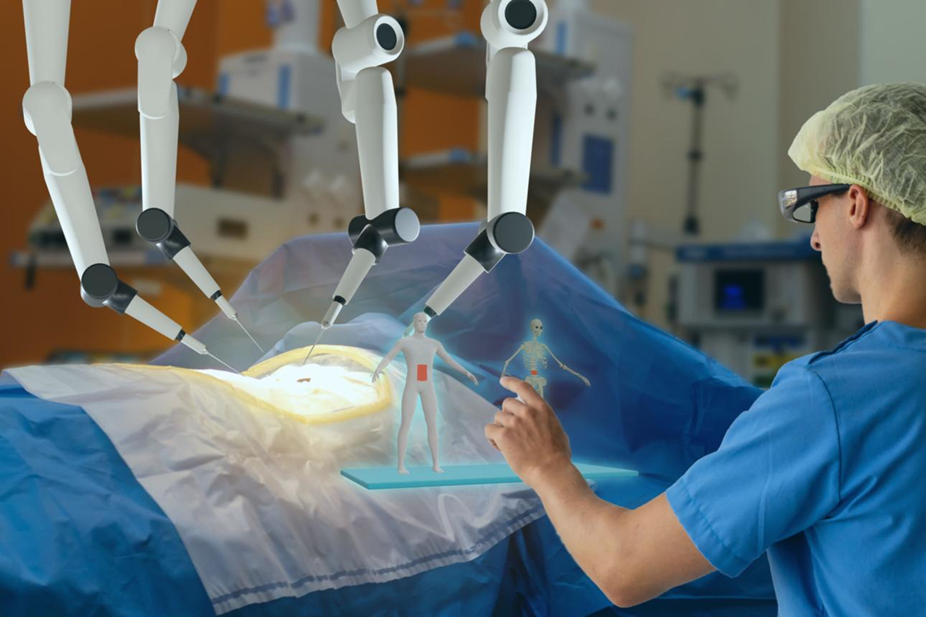
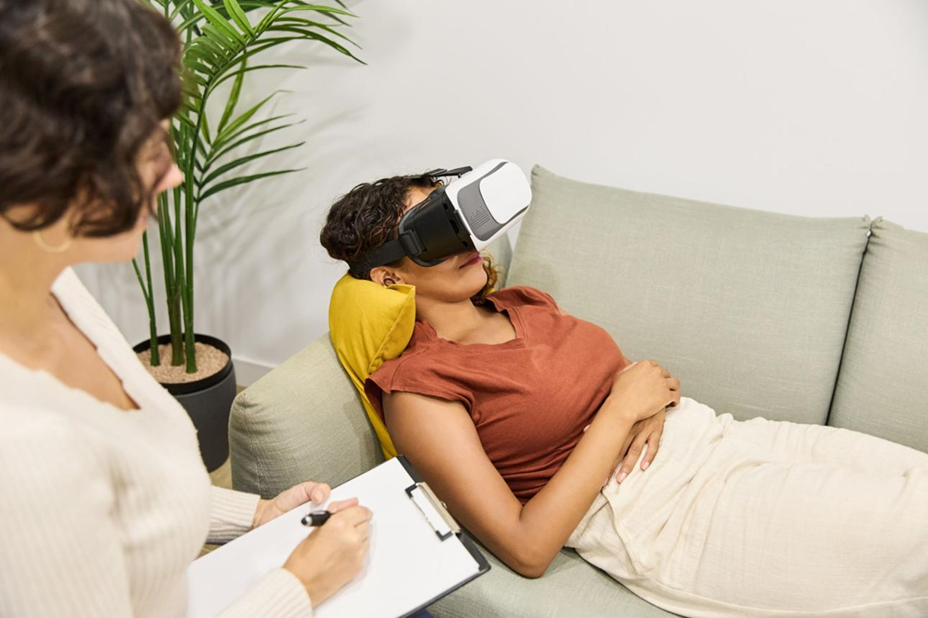
The application of augmented reality (AR) and virtual reality (VR) technology in healthcare is one of the most impactful developments in the field.
Here is how doctors apply AR and VR in their practice:
- Training for surgery
- Conducting therapeutic sessions
- Management of pain
- Rehabilitation
- Visualization of medical issues
For instance, several healthcare centers are trying to use the virtual reality (VR) setting to help reduce the anxiety and fear of patients who are about to undergo surgery. In addition, augmented reality (AR) glasses can help surgeons view crucial patient information while they continue to focus on the operation, without taking breaks.
AR/VR in Business and Remote Work
Virtual/Remote work has increased the demand for tools that facilitate virtual cooperation.
Recent practice involves the use of virtual sessions where employees represented as digital avatars.
Advantages are:
- Enhanced cooperation
- Enhanced 3D representation of ideas
- Presentation of concepts in a Virtual Office
- Visualization of Product designs
- Interactive sessions
For example, before actual construction proceeds, architects can enter a design of a building created in a virtual setting. This aids in the enhancement of both accuracy and planning. Large corporations are pouring substantial amounts of money into virtual workplaces as they substantially enhance both communication and the level of engagement.
AR/VR in Shopping and E Commerce
The incorporation of AR technology into online shopping makes the practice more immersive. Consumers can engage in:
- Physical trial of clothing in a virtual setting
- Try on make up in a virtual setting
- Engage in virtual placement of furniture within a room
- Visualize products in 3D
For example, several furniture retailers allow potential customers to electronically place a digital model of a couch into the client’s house via the AR setting prior to them actually purchasing the couch. This bolsters the customers confidence in the purchase and reduces the number of product returns.
The Role of Artificial Intelligence in AR/VR
AR/VR systems are becoming more intelligent owing to the development of AI. Artificial Intelligence enhances the technology’s ability to do:
- Mapping of an environment in real time
- Comprehension of voice
- Anticipation and comprehension of gestures
- Tailored experiences
- Intelligent recognition of objects
More humanlike digital interaction is now possible due to AI being used to create Avatars that can perceive and respond to feelings. This interaction has become more human, and users can now.
Next-gen headsets might autonomously detect and interpret users’ mood and behavioral patterns.
AR/VR Headsets Concerns
Even with recent innovations, challenges still persist.
Overall Viability
Top-tier devices are still out of reach for the average consumer.
Processing Power
The amount of battery consumed needs to be significantly reduced.
VR Motion Sickness
There are still many individuals who will experience VR Motion Sickness.
A Lack of Content
Users feel that AR/VR applications and games are still at a low level.
Customer Privacy
Through the collection of behavioral visual data, users did express concerns about data privacy.
Prospect of AR/VR Headsets
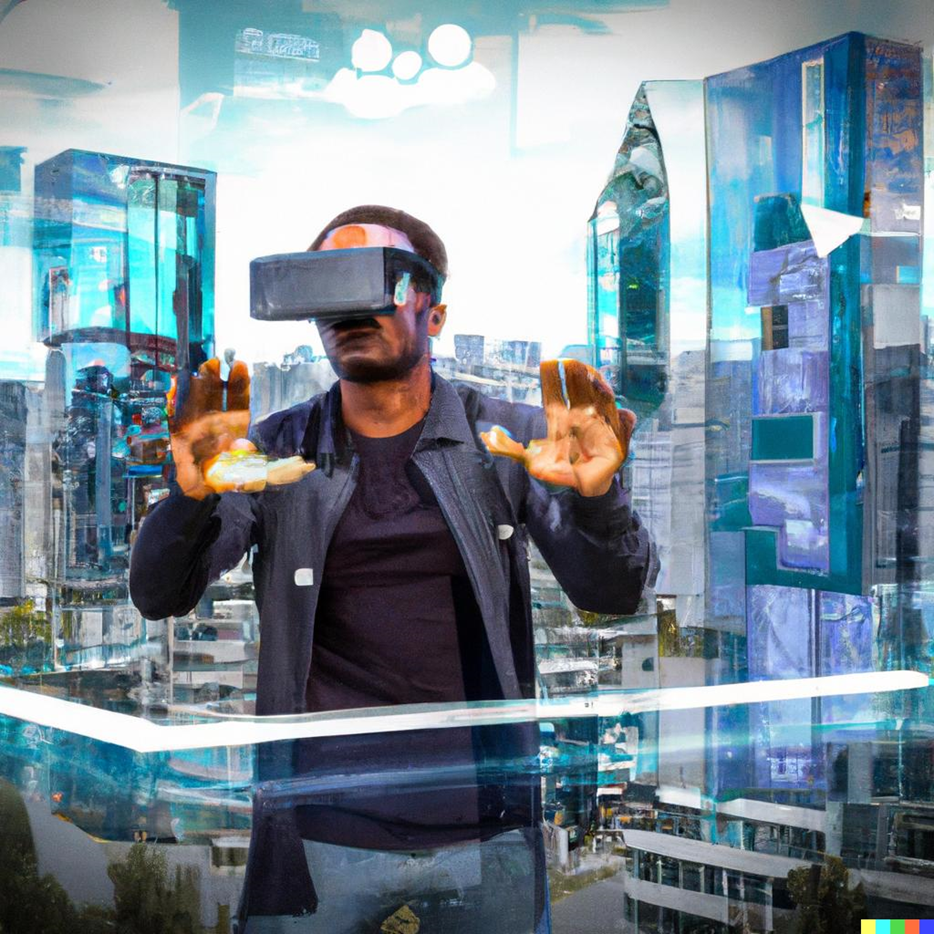

Things are looking good technologically.
Experts say AR/VR headsets of the future will be:
- Smaller
- Lighter
- Faster
- Cheap
- Realistic
Innovations will include:
Holograms
Brain-computer interfaces
Full body immersion
AI based virtual worlds
AI based digital classrooms
AR glasses one day replacing smartphones is not an uncommon speculation among tech companies.
Innovation is driven, in part, through concepts of the metaverse. It integrates VR experiences to create platforms for work, play, and socializing.
Should You Buy an AR/VR Headset?
Ultimately, your needs dictate the answer.
Buy one if you:
- Gaming is your thing
- You are an early tech adopter
- You prefer entertainment that is immersive
- You like virtual work tools
- You work in designing, teaching, or in healthcare
Novices should prioritize budget-friendly VR headsets. Mixed reality headsets are better for experienced users.
Some things to consider are:
- Price
- Comfort
- Battery Life
- Apps available
- Display
Final Thoughts
AR/VR headsets are a sign of the times.
VR started with gaming; healthcare, education, and business are starting to use it.
More advancements in AI lead to better AR and VR experiences.
This century’s focus will be on redefining the way we interact with technology. The world and the things in it are becoming virtual, and one day, interaction might no longer exist in the physical realm.
FAQs About AR/VR Headsets
1. AR vs. VR
When we talk about AR (augmented reality), we are talking about the merging of the digital and real worlds. VR (virtual reality) is a subset of AR due to the real and digital worlds being completely separated.
2. Should kids use AR/VR?
Kids should be using AR/VR sparingly. Take into consideration the recommended ages to use and values set on screentime by the AR and VR makers.
3. Can AR/VR be educational?
Definitely, there are several educational institutions that have adopted the use of VR for teaching labs, conducting simulations and enhancing learning.
4. Best beginner VR headset?
When considering cost, the ability to connect without being wired, and available content, the Meta Quest 3 should be the best beginner headset on the market.