

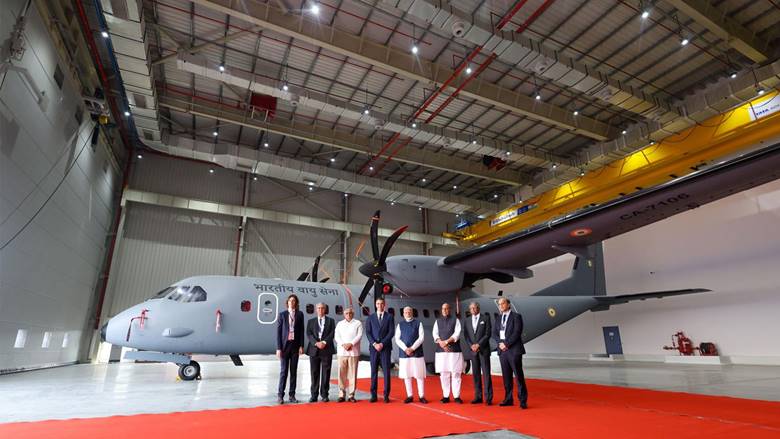
Today, India has awoken to a new era in aerospace and defence manufacturing. The delivery of the first Made-in-India Airbus C295 aircraft from the Tata Advanced Systems plant in Vadodara is a significant milestone for the country’s aviation sector. Not only is this a defence milestone, but it also signifies India’s advancement in advanced manufacturing, aerospace technology, and the “Make in India” movement.
India’s first private-sector military aircraft final assembly line has been developed in collaboration between Tata Advanced Systems and Airbus. The project is expected to boost the Indian defence ecosystem and reduce reliance on imported aircraft.
What is the Airbus C295 Aircraft?
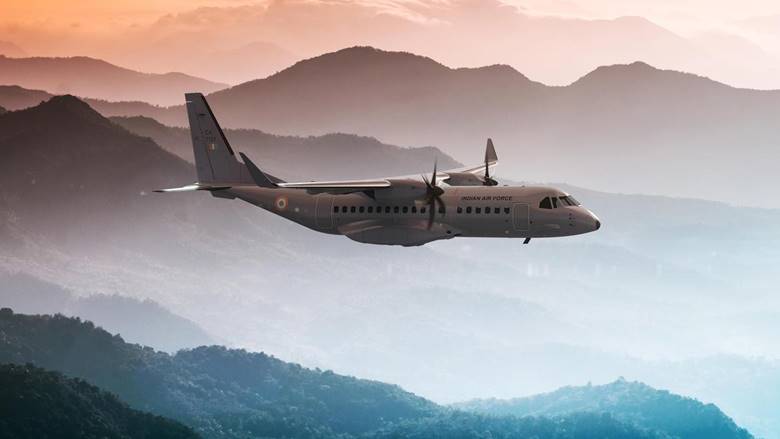
Airbus Defence and Space is developing the C295, a medium tactical military transport aircraft. It is intended for several missions, such as:
- Troop transport
- Cargo delivery
- Medical evacuation
- Disaster relief
- Maritime patrol
- Special operations
- Surveillance missions
The plane is a very efficient flying machine and can take off from short, unprepared airstrips. This makes it extremely beneficial when travelling in hard areas such as mountains, deserts and border areas.
In 2021, India inked a ₹21,935 crore contract with Airbus for 56 C295 aircraft for the Indian Air Force. Of these, 16 are being delivered directly from Spain, and the remaining 40 aircraft are being produced in India at the Vadodara plant.
The Vadodara Facility is historic for the following reasons:
Vadodara Final Assembly Line is the first-ever private military aircraft manufacturing plant in India. It was inaugurated by Prime Ministers Narendra Modi and Pedro Sanchez in October 2024.
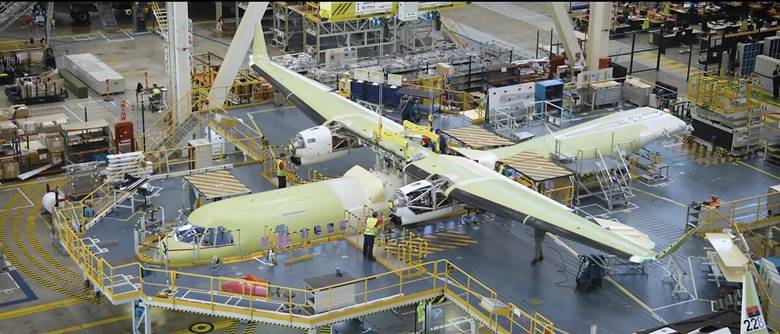
This facility is significant for introducing cutting-edge manufacturing technology into the Indian aerospace industry. Over 85% of the construction of the Indian built C295 aircraft will be completed in India.
The facility of Vadodara offers the following key features:
- Intelligent aircraft assembly systems
- Materials with excellent properties for electronics, semiconductors, and other applications
The typical quality testing laboratories for the aerospace industry include the following:
- Structural integration systems
- Having the capability to maintain aircraft throughout its lifespan.
- Indigenous supplier ecosystem
The project also includes developing 37 suppliers in India and producing over 13,000 aircraft components.
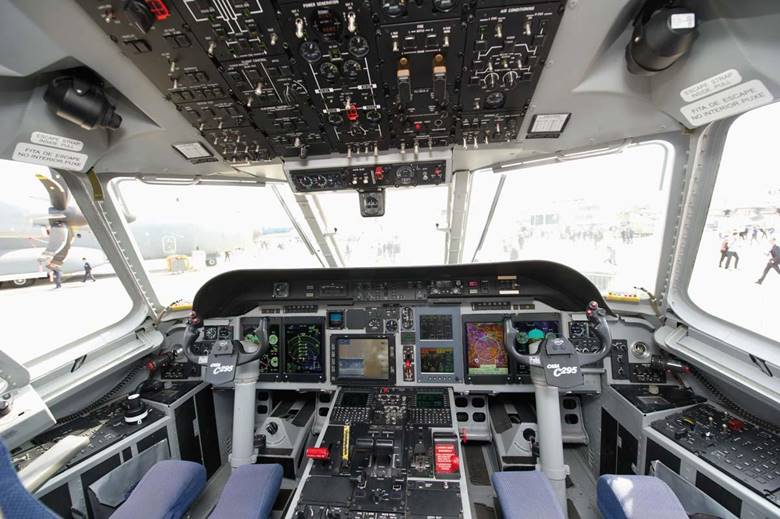
Mechanism of the Airbus C295 Aircraft
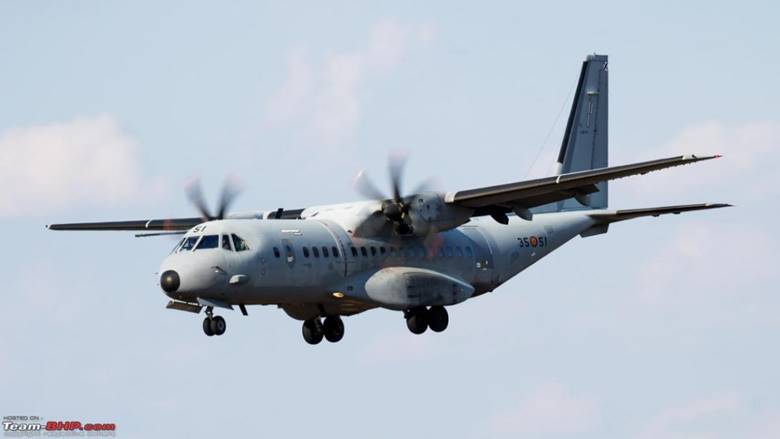
Advanced aerodynamics, avionics, propulsion systems and tactical operational design are all part of the C295 aircraft’s operational mechanism.
- Twin Turboprop Engine System
Two Pratt & Whitney turboprop engines power the aircraft. These engines provide:
- Better fuel efficiency
- Short takeoff capability
- Stable low-speed flying
Excellent performance in challenging conditions
This enables the aircraft to land on and operate in areas unsuitable for landing and isolated.
- High Wing Aircraft Design.
The aircraft (C295) has a high-wing configuration. This design is beneficial in:
• Better cargo loading
• Ground clearance
• Improved stability
• Easier troop deployment
The design is also suitable for low-altitude tactical missions.
- Rear Ramp Loading Mechanism
The rear cargo ramp mechanism is one of the aircraft’s key technologies. This enables:
- Performs quick loading and unloading.
- Vehicle transport
- Air dropping supplies
- Emergency evacuation
Aircraft can be quickly accessed by military vehicles, troops and relief materials.
- Digital Flight Control System
The aircraft is equipped with state-of-the-art avionics and digital cockpit systems with features such as:
- Real-time navigation
- Automated flight management
- Terrain awareness
- Weather monitoring
- Tactical mission planning
Digital information for pilots is transmitted directly via cutting-edge display systems.
The Airbus C295 uses a wide range of technologies.
Several recent aerospace techniques are being employed in the C295 programme.
Advanced Composite Materials
The aircraft is constructed from lightweight aerospace materials and composites, which help to reduce overall weight and increase fuel efficiency.
Flys By Wire Assisted Systems
Certain operational controls are electronically supported to improve flight stability and facilitate manoeuvring.
Integrated Avionics
The aircraft is equipped with integrated mission computers, communications, radar systems and navigation technologies.
Aerospace Automation
The Vadodara manufacturing unit is equipped with top-of-the-line aerospace automation tools for precision manufacturing and quality control.
Simulation Technology
Full mission simulators are used in pilot training and for analysing aircraft operations.
Features of the Airbus C295 Aircraft
| Feature | Details |
| Aircraft Type | Tactical Military Transport Aircraft |
| Engine Type | Twin Turboprop |
| Maximum Speed | Around 480 km/h |
| Payload Capacity | Around 9 tons |
| Troop Capacity | 70 soldiers |
| Medical Evacuation | 24 stretchers |
| Landing Capability | Short and rough runways |
| Mission Roles | Cargo, troop transport, surveillance, rescue |
How This Project Benefits India
Boost to Make in India
The project is directly contributing to India’s aim of becoming self-reliant in defence manufacturing. India is now able to produce high-end military aircraft domestically.
Employment Generation
Thousands of jobs across aerospace manufacturing, engineering, logistics and maintenance industries.
The development of the Aerospace Ecosystem.
The project will provide Indian suppliers in the aerospace industry with experience in adhering to global manufacturing standards.
Technology Transfer
Airbus’s advanced aerospace technologies are being integrated into Indian manufacturing systems.
Strategic Defence Strength
The aircraft will replace the ageing Avro fleet of the Indian Air Force (IAF) and enhance the tactical airlift capability.
Using C295 Operations in real-world examples.
The C295 is currently in service with many military and humanitarian countries.
Disaster Relief
It can convey food, medicines and rescue teams during floods, earthquakes and other emergencies.
Border Operations
Can transport troops and equipment to inaccessible border areas that are not suitable for normal aircraft.
Medical Missions
The plane can be fitted with a medical facility to carry patients.
Surveillance Operations
Maritime surveillance and intelligence gathering use specialised variants of the aircraft.
To present the future of Aerospace Manufacturing in India.
If the Tata Airbus C295 project is successful, it may pave the way for the production of future military aircraft in India. This programme could be India’s stepping stone to larger ambitions in the Aerospace sector, experts believe.
India is already working to play a bigger part in the global aviation supply chain. The Vadodara plant is a testament to India’s capabilities in handling the complex assembly of aircraft and aerospace engineering at an international level.
FAQs
1) What is the Airbus C295 aircraft for?
The Airbus C295 aircraft is designed to carry cargo, medical evacuation, troops, and medical personnel, as well as conduct surveillance and disaster relief operations.
2) What is the place of manufacturing of the Made in India C295 aircraft?
The plane is built in the Tata Advanced Systems Final Assembly Line plant in Vadodara, Gujarat.
3) What technologies does the aircraft C295 use?
It is equipped with state-of-the-art avionics, composite construction, digital cockpit systems, aerospace automation and tactical mission technologies.
4)Which of the following is an important reason why the C295 project is important for India?
The project not only helps India strengthen its defence manufacturing capability but also generates employment, promotes the development of aerospace technologies, and supports the Make in India initiative.