
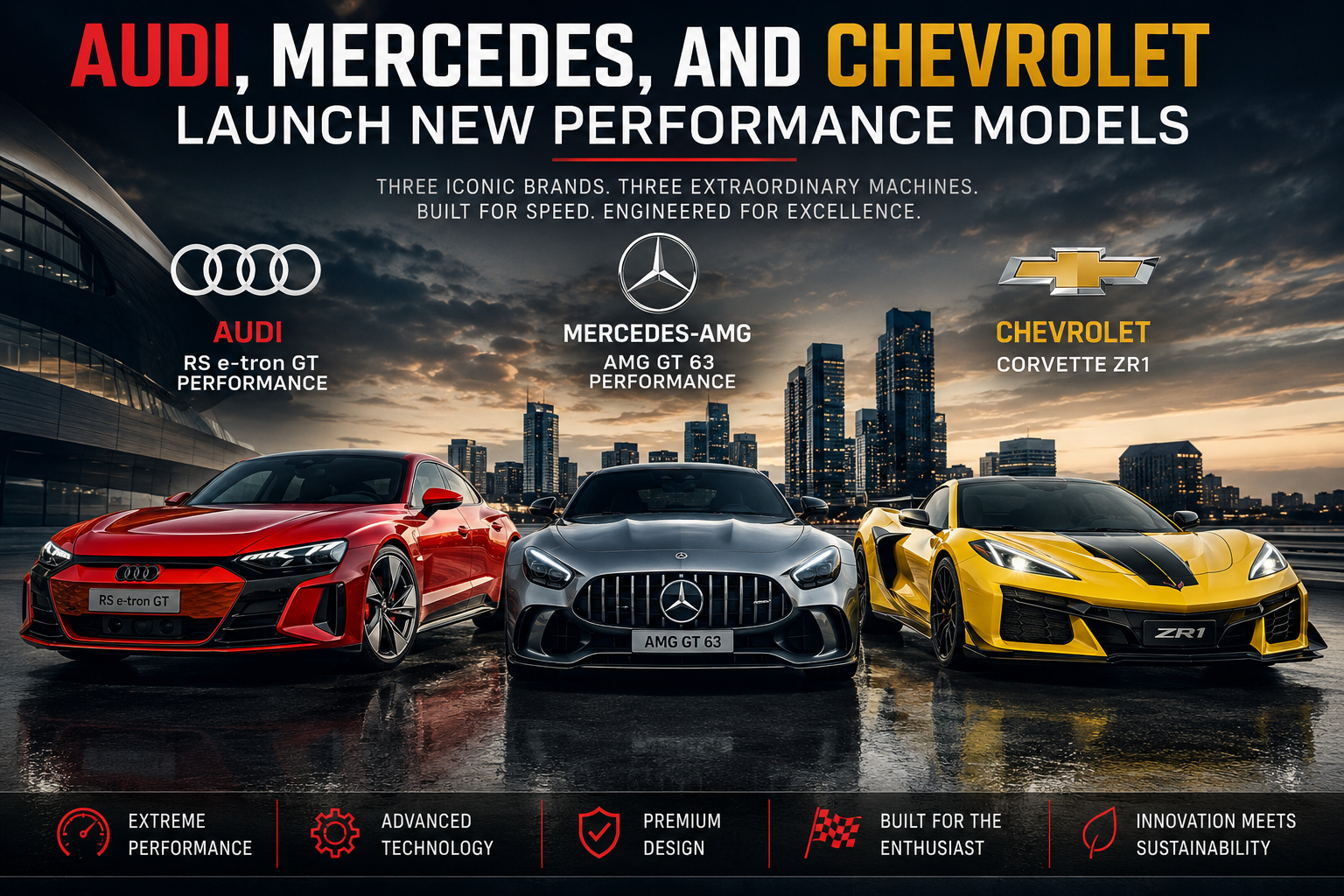

Audi, Mercedes, Chevrolet
The world’s automotive industry is about to embark on a new and exciting era. Audi, Mercedes, & Chevrolet, three legendary manufacturers, have recently introduced new, powerful performance models poised to push the limits of speed, technology, handling, and driving excitement.
For car lovers, these launches are more than just a simple launch. They represent ongoing advances in engineering excellence, state-of-the-art innovation, and intense competition between some of the world’s most respected brands.
In the world of high-tech precision engineering or muscle-oriented performance, the new models of Audi, Mercedes, and Chevrolet have something extraordinary to offer.
The reasons why performance cars are so popular and will continue to be are an interesting read.
Performance vehicles have always had their place in the automotive culture.
As EVs and more automation emerge, motorists are still demanding machines that deliver:
- Exceptional acceleration
- Superior handling
- Advanced engineering
- Emotional driving experiences
- Premium design
Although modern performance vehicles have been streamlined, they retain the opulence, security, efficiency, and jaw-dropping performance that have already won them numerous awards.
The newest models from Audi, Mercedes, and Chevrolet combine modern technological features with performance.
Audi’s New Performance Models Raise the Bar
Audi’s Performance Philosophy
Over the years, Audi has established a reputation for producing cars that are both luxurious and race-inspired.
Quattro All Wheel Drive technology is one of its popular features and remains well-known in the automotive industry.
The most recent performance versions of the Audi concentrate on:
- Enhanced power output
- Improved aerodynamics
- Electrified performance
- Advanced driver assistance systems
- Lightweight construction
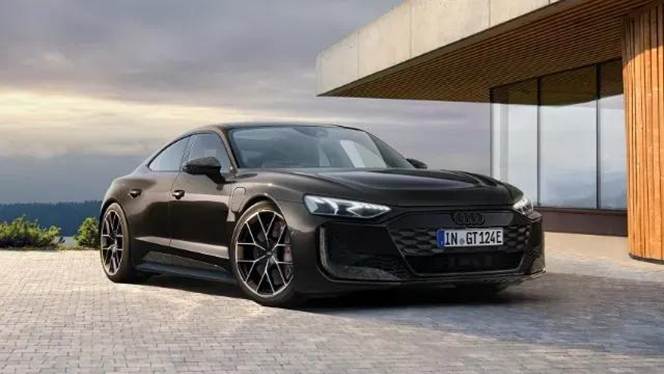
Audi RS e-tron GT Performance
The first particularly interesting release from Audi in recent years is the RS e-tron Performance.
Key Highlights:
- Fully electric powertrain
- Instant torque delivery
- Advanced battery technology
- Sophisticated suspension tuning
- Stunning aerodynamic design
The car exemplifies Audi’s dedication to marrying sustainability with exciting performance.
Example
A regular sports sedan can take several seconds to reach highway speed.
The RS e-tron GT’s electric motors deliver near-instant acceleration, resulting in a completely different driving experience.
Enhanced RS Lineup
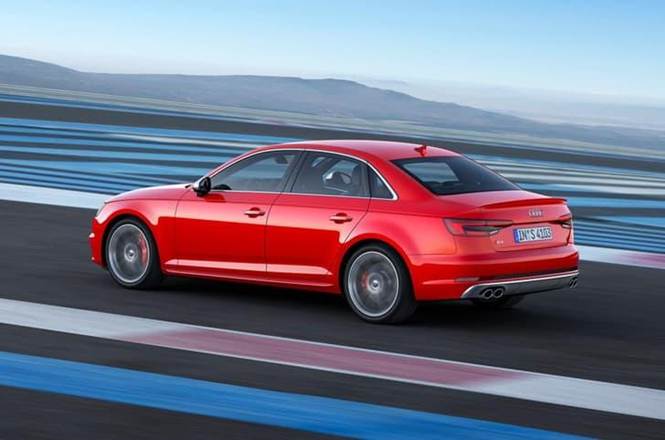
Audi has also revamped some of their RS models.
Commonly used models are:
- RS3
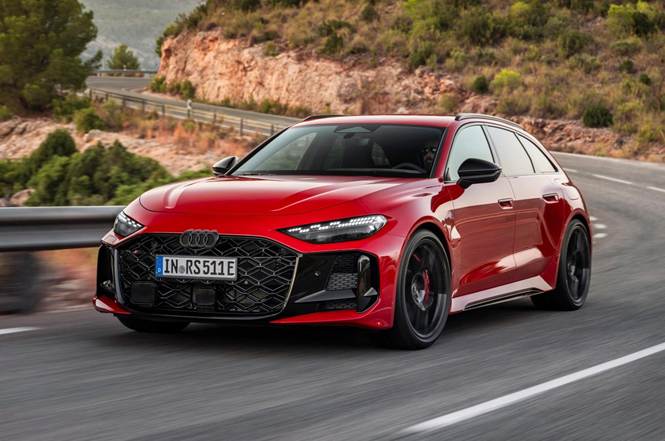
- RS4 Avant
- RS5 Sportback
- RS6 Avant
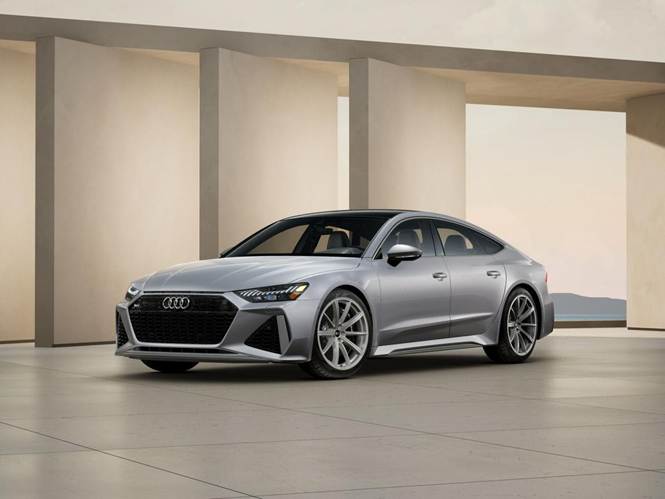
- RS7 Sportback
Both models get enhanced handling systems, software upgrades and MDS refinements.
Mercedes AMG launches Next Generation Performance Excellence.
The AMG Legacy
Mercedes-AMG is Mercedes-Benz’s performance division.
For over 40 years, AMG has been developing high-performance packages that have turned luxury vehicles into top-performance cars, keeping up with the best sports cars in the world.
The new AMG versions follow that trend.
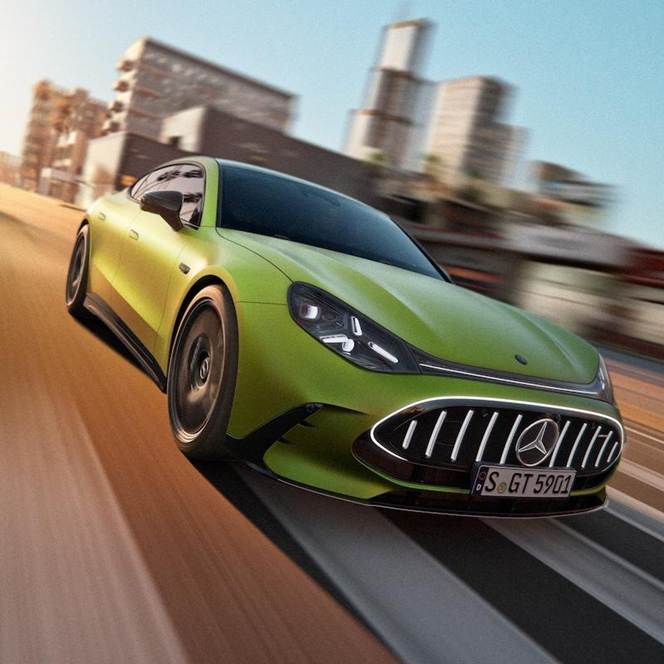
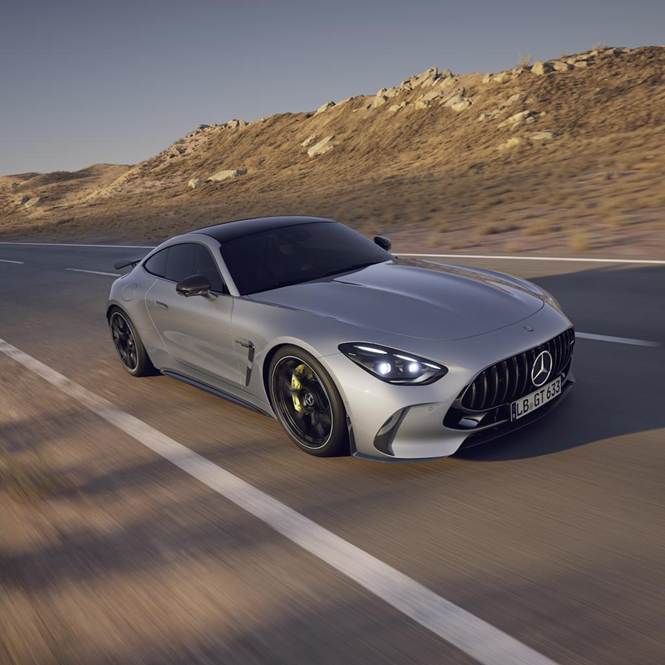
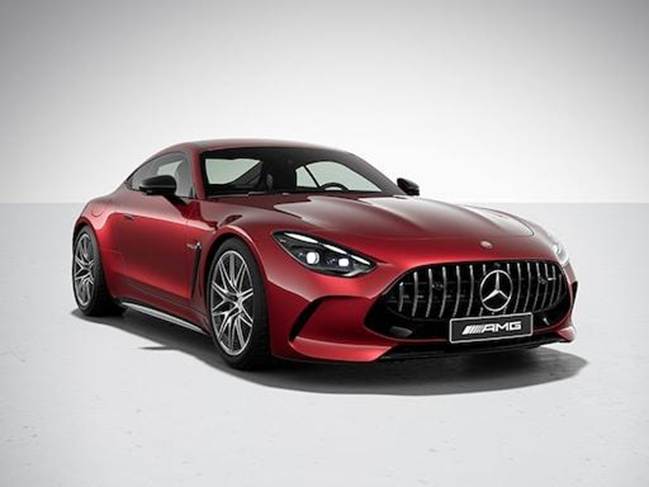
New Mercedes AMG GT
The all-new AMG GT is one of the hottest new launches in recent years.
Performance Features:
- Twin turbocharged V8 engine
- Enhanced chassis rigidity
- Intelligent All Wheel Drive
- Track-focused technology
- Luxurious interior design
The car is a blend of grand touring amenities and real supercar performance.
Example
Drivers can safely drive for hundreds of miles on highways and switch to some of the best track performance for pleasure without any compromise.
AMG C63 Performance Hybrid
Electrification is a key ingredient of Mercedes’ AMG Performance Hybrid technology.
Key benefits include:
- Increased horsepower
- Instant electric torque
- Better efficiency
- Reduced emissions
- Enhanced responsiveness
This model has demonstrated that electrification can enhance performance without compromising it.
Advanced Driver Technologies
The new AMG models have the following features:
- Adaptive suspension
- Rear wheel steering
- Dynamic traction control
- Predictive safety systems
- Intelligent performance monitoring
The technologies enable drivers to operate a vehicle at its full capabilities safely.
Chevrolet’s American Muscle returns for the future.
Chevrolet’s Performance Heritage
Chevrolet has always been known for its performance and iconic American muscle – and affordable price tag.
Chevrolet’s history of performance cars is one of the most recognizable in the history of any car brand, ranging from the Camaro to the Corvette.
Its latest releases follow in its footsteps.
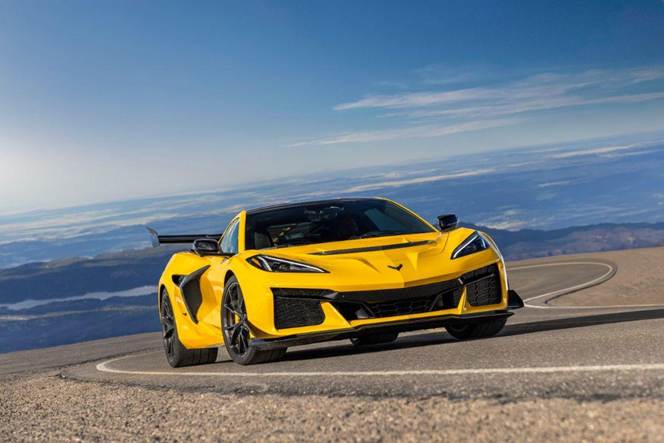
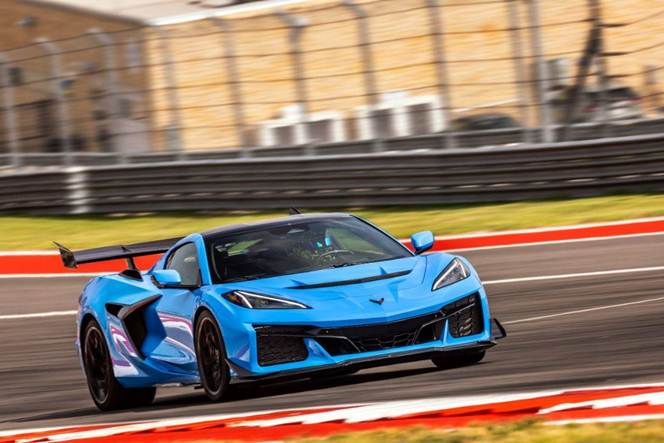
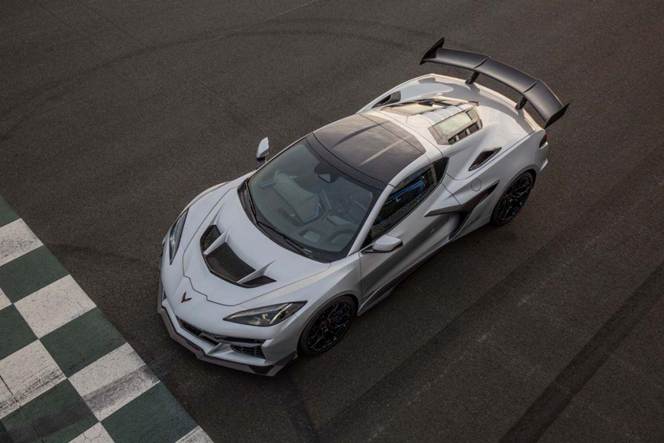
Corvette ZR1
Chevrolet Corvette ZR1 is among the most potent, mass-produced cars ever made by Chevrolet.
Key Specifications:
- Massive horsepower output
- Track optimized aerodynamics
- Carbon fiber components
- A high-performance braking system:
- Precision suspension setup
Chevrolet is being pushed into an area it has typically been in the business of selling to the public: exotic European supercars, with the ZR1.
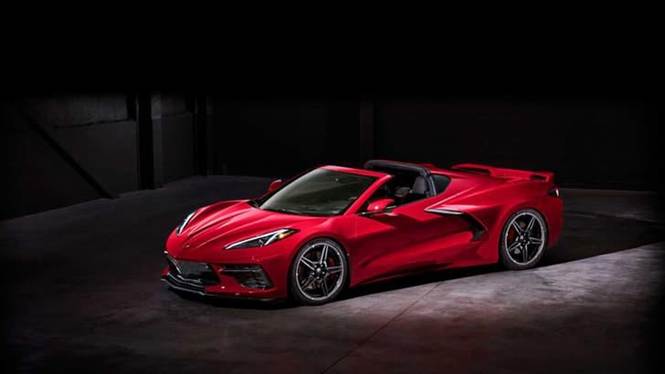
Corvette E-Ray
Chevrolet also has a foray into the electrified performance market with the Corvette E-Ray.
Notable Features
- Hybrid powertrain
All Wheel Drive system (AWD)
The front axle is equipped with electric assistance, activated at the press of a button.
- Enhanced traction
- Improved acceleration
It’s a significant advancement for the Corvette brand.
Example
The All Wheel Drive is much more stable than the standard Rear Wheel Drive set-up during wet weather.
A comparison of the new performance models.
| Feature | Audi RS e-tron GT | Mercedes AMG GT | Chevrolet Corvette ZR1 |
| Power Source | Electric | Twin Turbo V8 | High Output V8 |
| Drive System | AWD | AWD | RWD |
| Technology Focus | Electrification | Luxury Performance | Pure Speed |
| Interior Luxury | Excellent | Exceptional | Sport Focused |
| Track Capability | High | Very High | Extreme |
| Daily Usability | Excellent | Excellent | Good |
Design Innovations Across All Three Brands
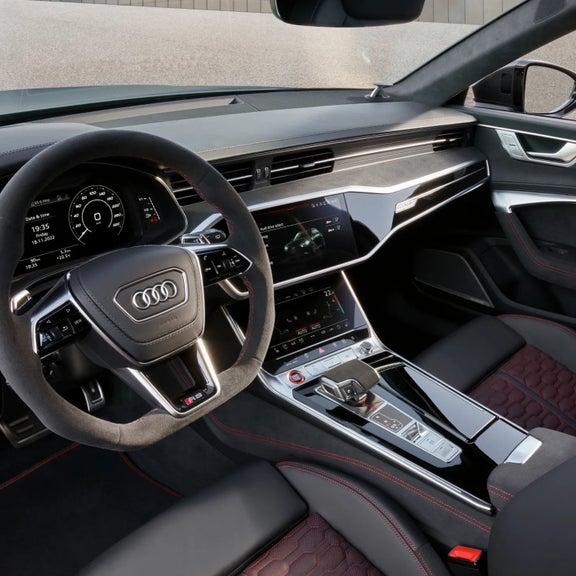
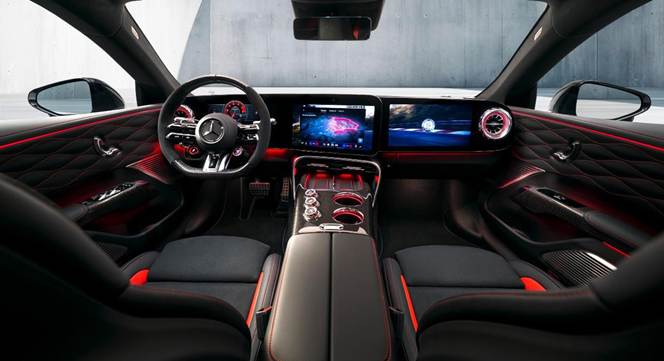
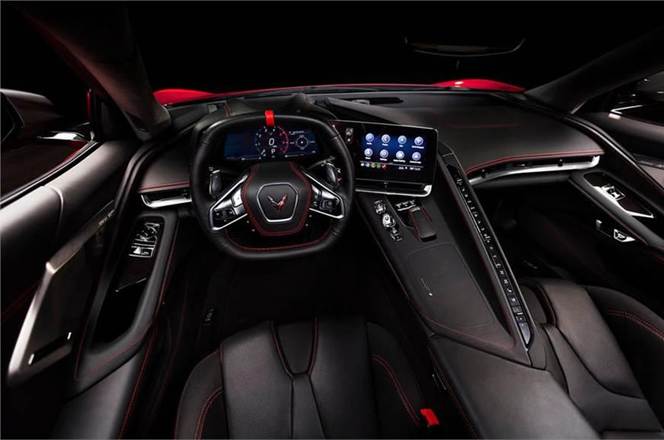
Today’s performance cars aren’t about just going fast.
Manufacturers now emphasize:
- Driver comfort
- Connectivity
- Aerodynamic efficiency
- Sustainability
- Digital experiences
Audi Design Approach
Audi deemphasizes luxury. Audi shuns luxury.
Key elements include:
- Digital cockpit
- Premium materials
- Sharp exterior styling
- Futuristic lighting systems
- Mercedes Design Approach
With Mercedes, luxury and sophistication are the focus.
Highlights include:
- Ambient lighting
- High-quality leather
- Large digital displays
- Premium craftsmanship
Chevrolet Design Approach
Chevrolet’s focus is on aggressive styling.
Notable features include:
- Race-inspired cockpit
- Functional aerodynamics
- Driver-focused controls
- Bold exterior appearance
The Rise of Electrified Performance
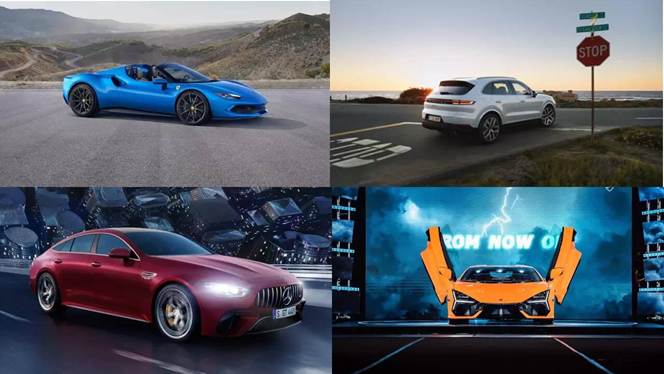
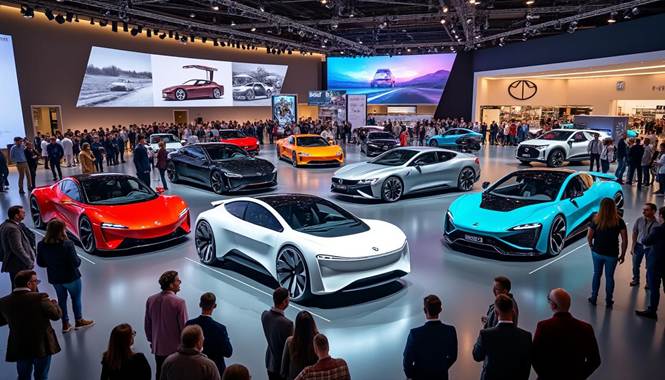
There’s an important trend across all three manufacturers that’s evident: electrification.
Performance benefits include:
- Immediate torque
- Faster acceleration
- Better efficiency
- Enhanced traction management
- Reduced fuel consumption
As an increasingly popular feature, manufacturers are seeing electric assistance not just as an environmentally friendly option, but a performance booster.
Advanced Engineering Technologies
The latest models feature some innovative technologies.
Active Aerodynamics
Aerodynamic parts can be controlled by modern cars.
Benefits include:
- Increased downforce
- Improved stability
- Better fuel efficiency
- Enhanced cornering performance
Lightweight Materials
Manufacturers increasingly use:
- Carbon fiber
- Aluminum alloys
- Composite materials
- High-strength steel
The lighter the vehicle, the better it accelerates, brakes and handles.
Artificial Intelligence Integration
Today’s performance cars employ smart systems to:
- Monitor driving behavior
- Optimize power delivery
- Enhance safety
- Improve efficiency
- Identify and alert to predictive maintenance issues
Impact on the Global Performance Car Market
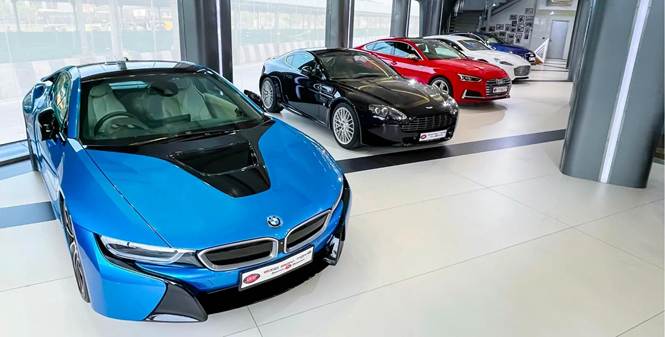

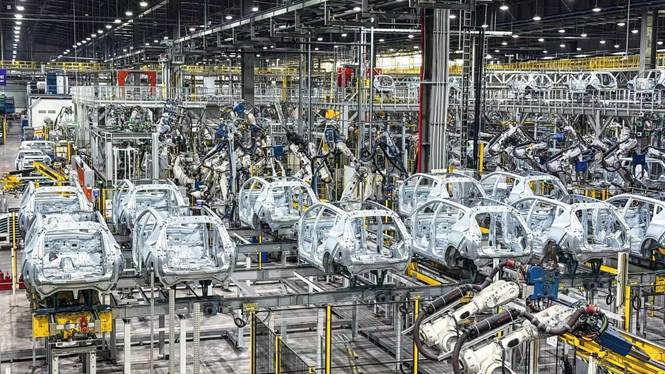
The launches will have an important impact on the global auto market.
Industry analysts predict:
- A continued increase in performance EVs
- A further rise in performance EVs
- Increased hybrid adoption
- Higher sales of such vehicles as the Toyota Corolla and Honda Civic
- Improved competition between manufacturers
Increased innovation of vehicle software.
What is the best experience in terms of performance?
That will also depend on what you want.
Make an informed choice, choose Audi If You Want:
- Advanced electric performance
- Everyday usability
- Sophisticated technology
- Premium luxury
Choose Mercedes If You Want:
- Ultimate luxury
- Balanced performance
- Hybrid innovation
- Grand touring comfort
If You Want: Chevrolet
- Raw power
- American muscle heritage
- Track focused driving
- Exceptional value
The Future of Performance Cars
The performance vehicle segment is changing rapidly.
Future developments will encompass:
- Fully electric supercars
- Solid-state batteries
- Driving systems that integrate AI features
- AI-integrated driving systems
- Sustainable materials
- Greater personalization
Audi, Mercedes, and Chevrolet are already spending big on those technologies.
The coming ten years will be even more exciting.
The development of performance models and their impact on current automotive culture. The evolution of performance models and their impact on contemporary automotive culture.
Performance cars are always more than just a mode of transportation. They symbolize innovation, passion, engineering excellence, and personal achievement. The new releases from Audi, Mercedes, and Chevrolet still uphold this tradition while also introducing technologies that are defining the future of the automotive industry.
For many previous decades, horsepower and top speed were the main criteria used to evaluate performance cars. Nowadays, consumers have higher demands. Advanced safety, high-quality interior, intelligent connectivity, environmental friendliness, and everyday usability are all desired by buyers. All these expectations must be met by manufacturers, who need to provide exciting driving experiences.
The models already launched by the three major automakers – Audi, Mercedes, and Chevrolet – illustrate the industry’s response to those new requirements.
Higher demand for high-end performance cars. Increased demand for upscale performance cars.
In recent years, the global luxury performance car industry has seen substantial growth. Nowadays, consumers are keen on buying a vehicle that is exciting yet functional.
This is being spurred by a number of factors:
• Growing incomes in Emerging Markets
There is more interest in luxury automotive brands. There is increased interest in luxury automotive brands.
New techniques in performance technology.
• Higher EV battery storage and charging capabilities
More choices for customization.
Suppose that a customer used to own a luxury sedan, but has discovered that a high-performance car is available that is quite as comfortable and much faster in acceleration and handling.
This change has spurred a range of manufacturers to increase their performance offerings in different vehicle segments.
Understanding how aerodynamics play a role in today’s performance cars. The significance of aerodynamics in today’s performance vehicles.
Aerodynamics is one of the biggest advancements for today’s modern performance vehicles.
Historically, the emphasis of vehicle design has been on aesthetics. Aerodynamics is a key enabler of performance, stability, fuel economy, and range in Electric Vehicles today.
The new generation of Audi, Mercedes, and Chevrolet models boasts a number of advanced aerodynamically engineered features, including:
- Active rear spoilers
- Two front air intakes that can be adjusted
- Underbody airflow management
- Rear diffusers
- Air curtains around wheels
Together, they help to decrease drag and increase downforce.
Example
Air resistance is one of the greatest factors hindering a vehicle’s performance at high speeds. The vehicle is equipped with advanced aerodynamic systems that ensure stability and efficiency at speeds above 200 km/h.
This yields better control, more acceleration, increased cornering, and increased driver confidence.
Performance Meets Sustainability
Performance vehicles are no exception as each facet of the automotive industry is impacted by environmental issues.
Sustainability and performance have long been considered incompatible. Recent technological developments have shown this is not the case.
There are a number of approaches that manufacturers are taking to enhance the environmental performance:
- Hybrid powertrains
- Fully electric systems
- Lightweight materials
- Energy recovery systems
- Improved engine efficiency
Making a car low-emission does not have to be boring, as Audi’s electric performance vehicles and Mercedes’ electric performance hybrid vehicles show.
This trend is another testament to Chevrolet’s electrified Corvette technologies.
With continued improvements in automobile battery technology, future performance vehicles could reach even higher speeds and efficiencies.
It was caused by a Digital Transformation within Performance Cars.
Today’s sports cars are increasingly like high-tech computers on wheels.
The new models feature sophisticated software systems to improve both driving pleasure and convenience.
The following are common digital features:
All of the instrument cluster displays are fully digital.
The computer software may be updated over the air.
Real-time vehicle diagnostics
- Performance telemetry systems
- Smartphone integration
- Voice-activated controls
These technologies enable the driver to adjust the car’s settings to suit their taste.
For example, suspension control, steering control, throttle control, exhaust control, and traction control can all be adjusted using a single digital control.
This kind of customization was only previously found in the professional racing world.
Monitor performance and normal comfort.
Balancing track ability with daily usability is one of the biggest challenges for performance car manufacturers.
A car designed specifically for racing could work great on a track but could feel the pinch on a long daily drive on the road.
To overcome this challenge, the newest generation of vehicles from Audi, Mercedes, and Chevrolet comes with new adaptive features.
Adaptive Suspension Systems
Adaptive suspension systems automatically adjust damping parameters based on road and driving conditions.
Benefits include:
- Improved ride comfort
- Better cornering stability
- Enhanced road feedback
- Reduced driver fatigue
Multiple Driving Modes
Most of the contemporary performance cars have multiple driving modes, including:
- Comfort
- Sport
- Sport Plus
- Race
- Individual
These modes enable a driver to instantaneously change the vehicle’s nature.
A nice luxury cruiser can instantly be converted into a track-focused machine with the touch of a button.
Innovation in Safety in High-Performance Vehicles
High-performance cars produce great acceleration and speed. Thus, high-tech safety features are gaining greater significance.
Some of the technologies used in modern performance models are:
- Adaptive cruise control
- Automatic emergency braking
- Blind spot monitoring
- Lane keeping assistance
- Rear cross-traffic alert
- Driver attention monitoring
These systems improve safety without compromising on the driving experience.
Manufacturers are spending a lot of money on predictive safety systems that can anticipate potential dangers before they occur.
Modern systems, for instance, can sense vehicles, pedestrians, cyclists, and obstacles, thus assisting drivers to avoid collisions.
Customization and Personalization
Today’s consumers want to express themselves through their cars.
There are now super comprehensive performance brand customization programs available.
Popular options include:
- Unique paint finishes
- Carbon fiber packages
- Custom wheel designs
- Performance exhaust systems
- Premium interior materials
Personalized stitching. Customers can build very personal cars with Audi’s special programs, Mercedes’ AMG customization programs, or Chevrolet’s performance accessory packages.
This is an ongoing trend, and consumers are looking for products that differ from standard production models.
The part of motorsports in the development of performance cars.
This is because a number of today’s leading technologies for performance automobiles have their roots in motorsports.
Manufacturers have an excellent chance to test new technologies in racing environments, under extreme conditions.
Technologies that were developed for racing and moved to road cars include:
- Carbon ceramic brakes
- Sequential transmission concepts
- Advanced aerodynamics
- Lightweight materials
- Hybrid performance systems
The success of an endurance racing program at Audi, the Mercedes involvement in Formula One, and Chevrolet’s participation in many motorsports disciplines have all had an impact on their road car programs.
What’s learned on the racetrack is eventually transferred to the road.
The future of Performance Vehicles. The future of Performance Vehicles.
The performance-vehicle scene will continually change over the next decade.
There are several new technologies that are likely to influence the models in the future:
Solid State Batteries
These are next-generation batteries that can offer:
- Faster charging
- Longer driving range
- Improved safety
- Reduced weight
System with assistance from artificial intelligence.
AI systems can assist in the optimization of:
- Vehicle dynamics
- Energy management
- Suspension behavior
- Driver coaching
Advanced Lightweight Materials
The following technologies could be introduced into future cars:
- Carbon composites
- Graphene-enhanced materials
- High strength alloys
- Sustainable composites
Enhanced Connectivity
Performance cars will get more connected by:
- Cloud-based diagnostics
- Improvements in real-time software.
- Vehicle-to-vehicle communication
- Predictive maintenance systems
The innovations will result in future performance cars that will be faster, safer, smarter, and more efficient than ever before.
Why do these new launches have significance?
The new performance variants of the Audi, Mercedes, and Chevrolet are big steps in the evolution of the car.
They prove that performance is not all about engine size and/or horsepower.
Today’s performance cars are required to be good at a lot of things:
- Speed
- Technology
- Sustainability
- Safety
- Comfort
- Design
- Connectivity
Electrification is Audi’s focus for innovation. Mercedes’ design emphasis is on melding luxury and high-tech performance. Chevrolet keeps on tuning and updating the essence of American performance while incorporating new technologies.
These manufacturers are collectively paving the way for the industry and offering fans tantalising options in various categories and price ranges.
These launches represent a future where consumers can enjoy thrilling driving experiences while simultaneously driving sustainable vehicles, benefiting from cutting-edge technology, and doing so with great convenience. Drivers of the world will ultimately benefit from the competition driving between all of these brands, as all of them are striving to innovate.
See more details: click here
Final Thoughts
Audi, Mercedes and Chevrolet exhibit the incredible advancements of contemporary car technology in their latest performance models. Every manufacturer has its own approach to performance.
Precision and technological innovation are Audi’s priorities. The Mercedes AMG series is a blend of luxury and track-ready engineering. Chevrolet’s American performance never ceases to be exciting and it has adopted hybrid technology.
With these new models on the horizon, the future of high-performance cars looks more promising than ever. From electric cars to hybrid vehicles and even the high-performance engines, there is no end to the quest for speed, excitement and driving excellence that captivates automakers around the globe.
The answers to common questions can be found in Frequently Asked Questions (FAQs).
1. Which of the following new performance models provides the latest technology?
The high-tech electric powertrain, digital systems and intelligent performance management technologies are what make Audi’s RS e-tron GT Performance so special.
2. Does the Mercedes AMG GT make a good daily driver?
Yes. The AMG GT delivers high performance, luxury, comfort, and utility, making it ideal for everyday driving.
3. What is special about the Chevrolet Corvette ZR1?
The Corvette ZR1 packs the power, features sleek high-tech aerodynamics, and offers supercar performance without losing its performance roots.
4. Are performance hybrid cars quicker than normal gas cars?
Yes, in many circumstances. The electric torque from hybrid systems can be substantial, resulting in quicker acceleration and responsiveness than conventional gasoline-powered cars.
Related Post: – Mercedes-Benz S-Class: The Ultimate Symbol of Luxury, Innovation, and Power in 2026 – aziztechsolutions.com