
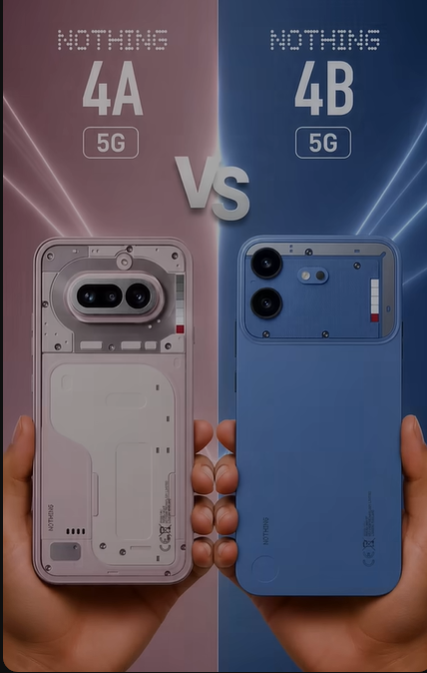

Nothing has built a reputation for designing smartphones that stand apart from the crowd. Instead of chasing flashy specifications alone, the company focuses on clean software, distinctive transparent aesthetics, practical AI features, and an experience that feels refreshingly different.
In 2026, the company expanded its portfolio by introducing the Phone (4a) and the new Phone (4b). While both devices belong to the same generation, they target different users. The Phone (4a) is designed for buyers who want a premium mid-range experience with advanced cameras and stronger performance. The Phone (4b) focuses on affordability while keeping many of Nothing’s signature features intact.
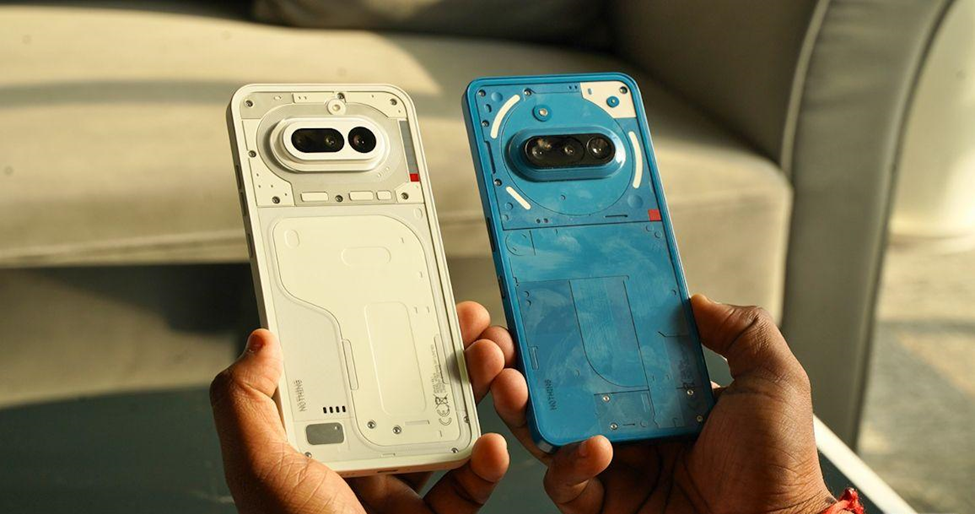
At first glance, both smartphones appear similar. Both feature Nothing OS, Essential AI tools, Glyph lighting, AMOLED displays, and modern designs. However, once you examine the hardware, cameras, chipset, charging, and overall user experience, several meaningful differences become clear.
This detailed comparison will help you determine which model offers better value for your budget.
Source: Image designed by the website
Nothing Phone (4b) vs Nothing Phone (4a): Quick Comparison
| Feature | Nothing Phone (4b) | Nothing Phone (4a) |
| Category | Budget Mid-Range | Premium Mid-Range |
| Display | AMOLED, 120Hz | 1.5K AMOLED, 120Hz |
| Processor | Entry level Snapdragon platform | Snapdragon 7s Gen 4 |
| Main Camera | 50MP Dual Camera | Triple Camera with Telephoto |
| Battery | Larger battery | 5400mAh (India) |
| Charging | Slower charging | 50W Fast Charging |
| Software | Nothing OS | Nothing OS |
| AI Features | Essential AI | Essential AI + Advanced Camera AI |
| Best For | Budget Buyers | Photography and Gaming |
The Phone (4a) offers stronger hardware, a sharper display, a more capable camera system, and faster charging. The Phone (4b) keeps costs lower while preserving the overall Nothing experience.
Source: Image designed by the website
Source: Image designed by the website
Design and Build Quality
Source: Image designed by the website
Source: Image designed by the website
Source: Image designed by the website
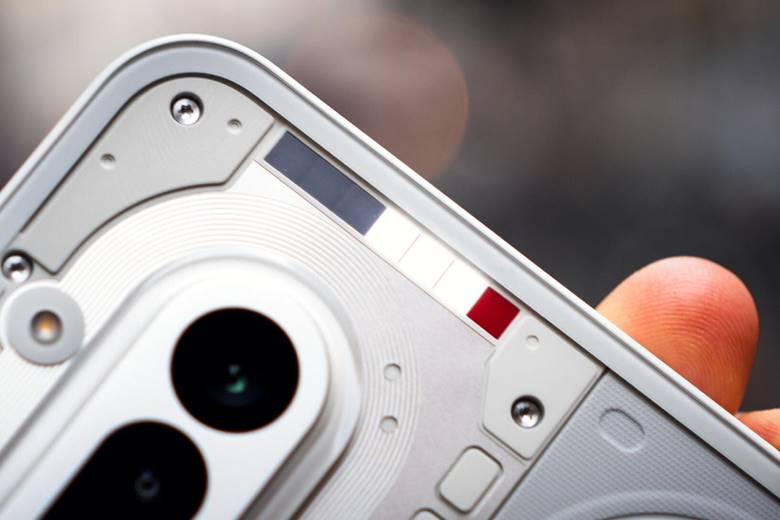
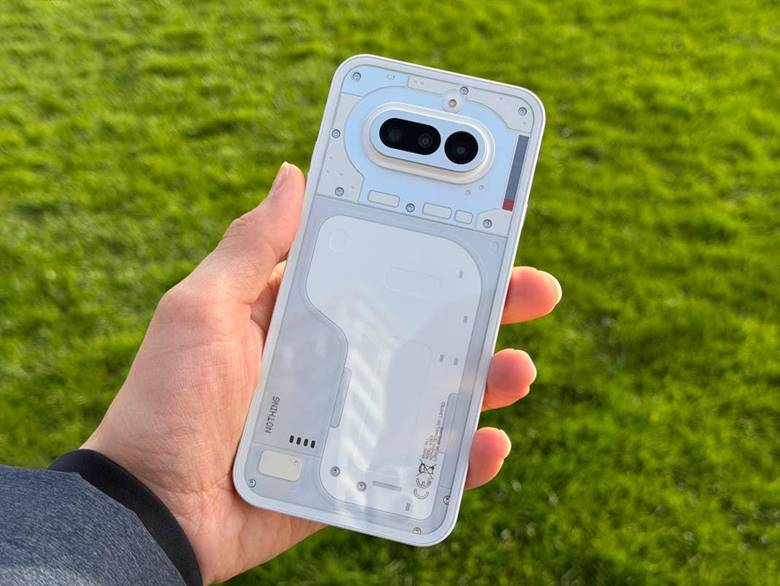
Nothing has always emphasized industrial design. Unlike many smartphone manufacturers that prioritize glossy finishes, nothing exposes internal design elements to create a unique visual identity.
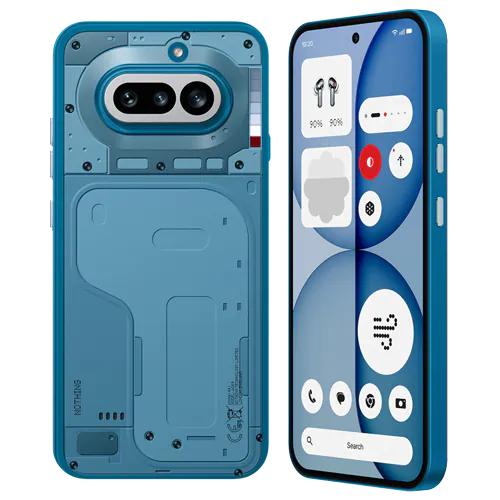
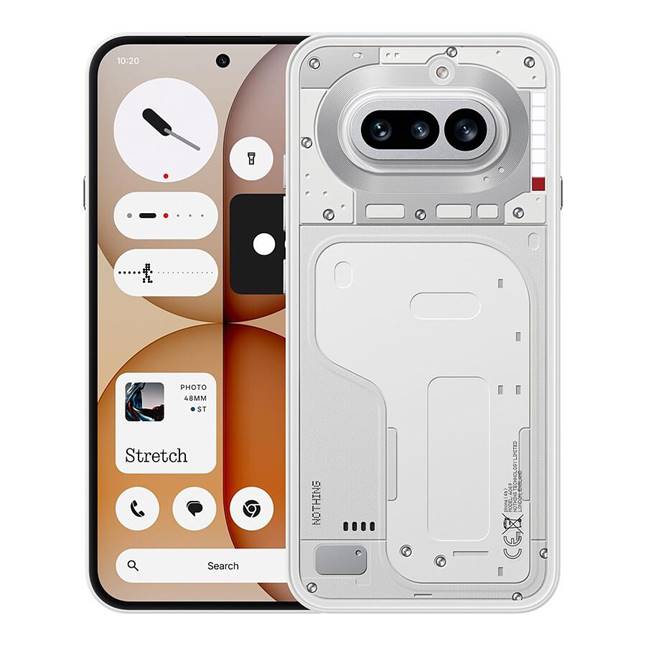
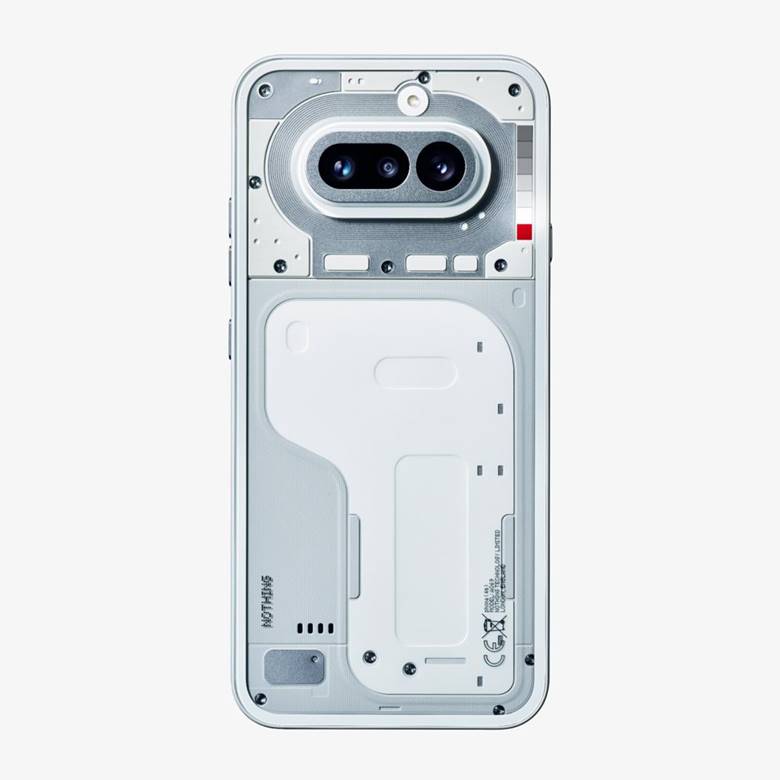
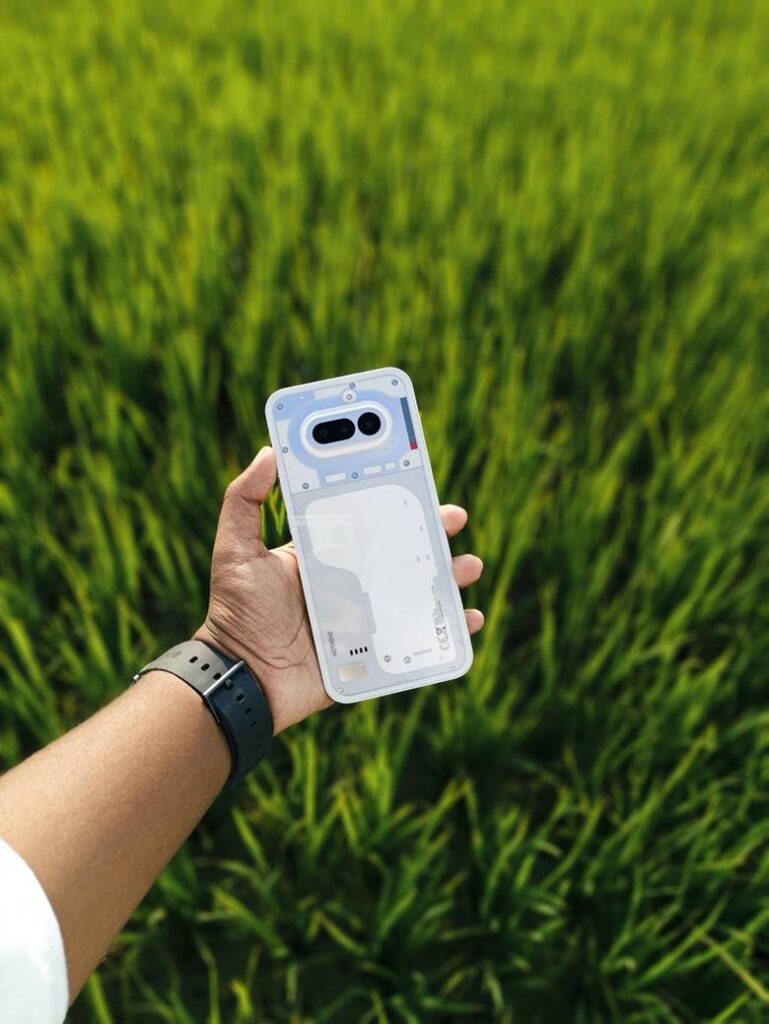
The Phone (4a) continues this philosophy with an upgraded glass back, aluminum accents, refined curves, and improved durability. The company also introduced attractive blue and pink color options alongside Black and White. The transparent design feels more mature and premium than previous generations.
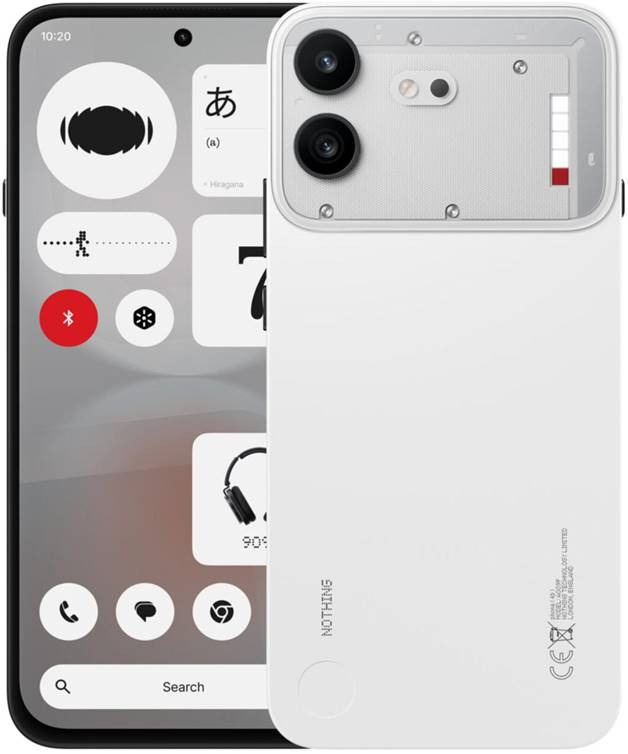
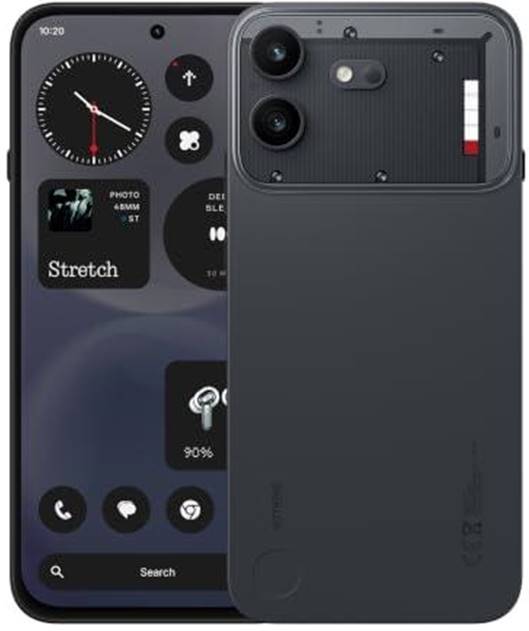
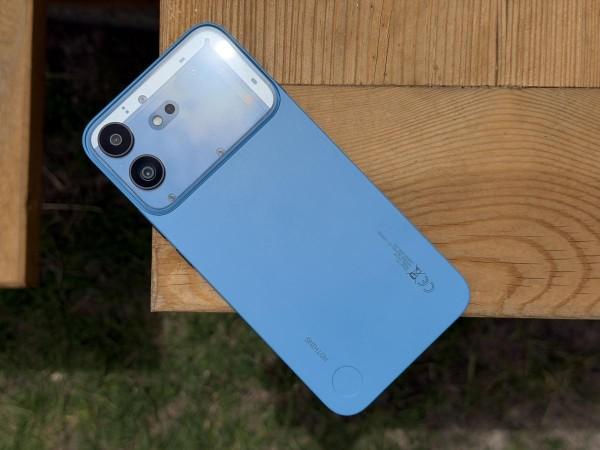
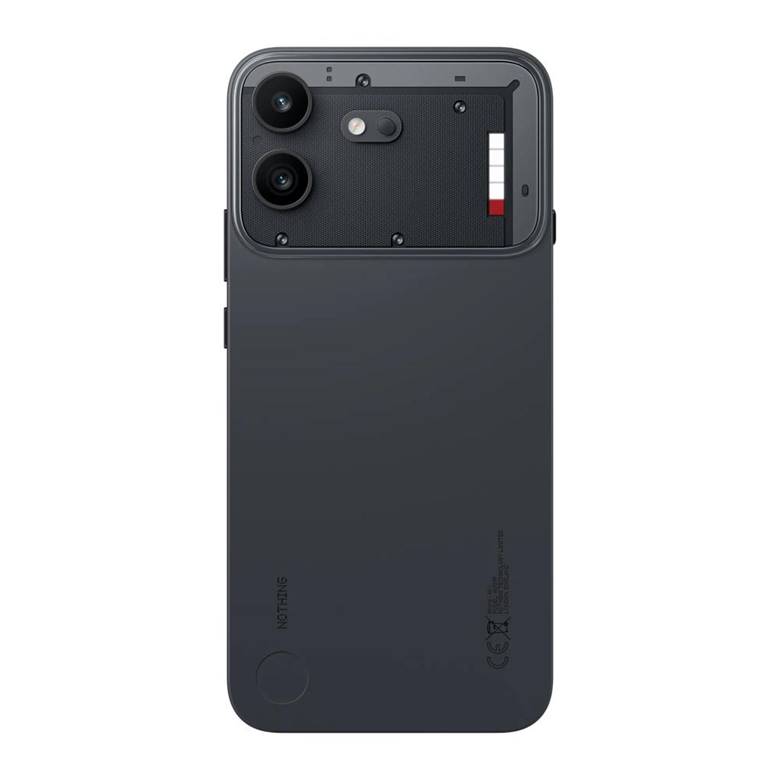
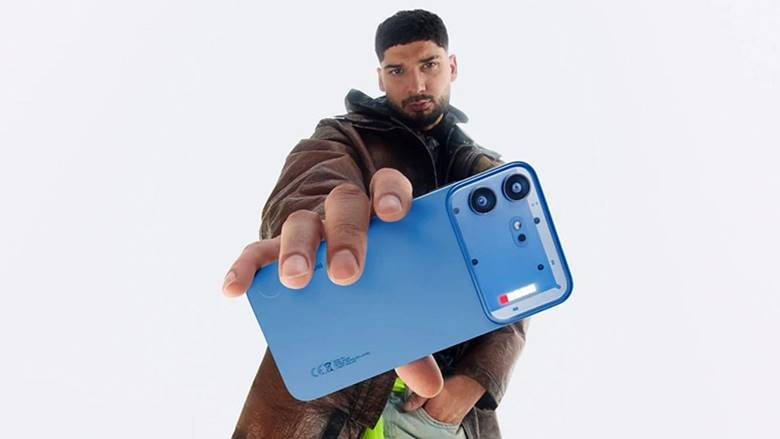
The Phone (4b) adopts a different approach. It uses a colorful unibody design while maintaining a simpler overall appearance. It still includes the Glyph Bar and transparent inspired styling, but the construction is aimed at reducing manufacturing costs without sacrificing the recognizable Nothing identity.
Build Quality Comparison
Phone (4a)
• Glass front and back
• Aluminum detailing
• Premium in hand feel
• IP64 rating
• Better structural rigidity
Phone (4b)
• Lightweight unibody construction
• Durable everyday design
• Glyph Bar included
• Comfortable grip
Winner: Nothing Phone (4a)
Buyers looking for a premium feel will appreciate the additional use of glass and metal materials.
Display Comparison
Source: Image designed by the website
Source: Image designed by the website
Source: Image designed by the website
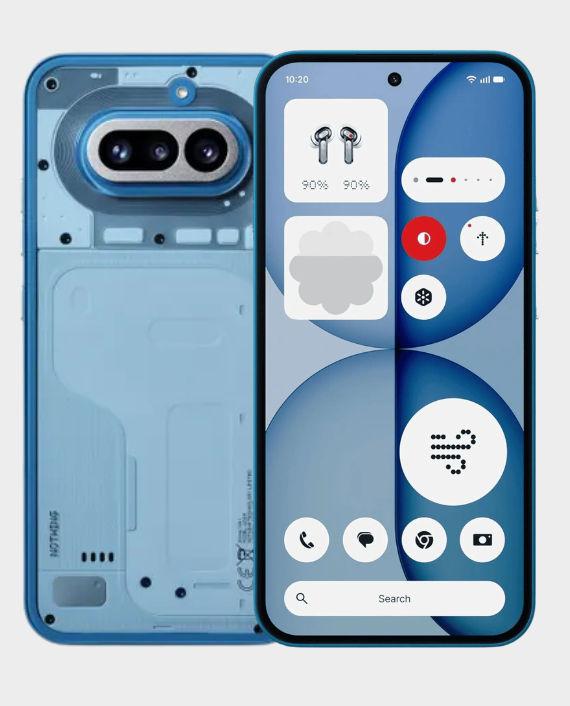
A smartphone display determines much of the daily user experience. Whether you watch Netflix, scroll through Instagram, play games, or edit photos, display quality directly affects satisfaction.
The Phone (4a) features a large 1.5K AMOLED display with an adaptive 120Hz refresh rate, 10-bit color, and an impressive peak brightness of up to 4,500 nits. Nothing claims this display is significantly brighter than its predecessor, improving outdoor visibility.
The Phone (4b) also includes an AMOLED panel with a smooth 120Hz refresh rate, making animations and scrolling fluid. However, it targets a lower price segment and therefore offers a lower display resolution than the Phone (4a).
Display Specifications
Phone (4a)
• AMOLED
• 1.5K Resolution
• 120Hz Adaptive Refresh Rate
• HDR Support
• 4,500 nits Peak Brightness
• 10-bit Color
Phone (4b)
• AMOLED
• Full HD+ Resolution
• 120Hz Refresh Rate
• Excellent outdoor readability
Example
Suppose you enjoy watching YouTube in 1440p or editing travel photographs.
The Phone (4a) displays sharper details, richer colors, and better contrast.
If you mainly browse social media, chat, or stream videos casually, the Phone (4b) still provides a smooth viewing experience.
Winner: Nothing Phone (4a)
Performance and Processor
Performance often determines how long a smartphone remains useful.
The Phone (4a) utilizes Qualcomm’s Snapdragon 7 Gen 4 processor, paired with UFS 3.1 storage and Qualcomm AI Engine technology. According to Nothing, this chipset improves multitasking, gaming, and AI processing compared to the previous generation.
The Phone (4b), meanwhile, is positioned below the Phone (4a). While it supports everyday multitasking, web browsing, streaming, and social media comfortably, it does not match the Phone (4a) in sustained gaming performance or processing power. Community comparisons also note a slower chipset compared with the 4a.
Everyday Performance
Phone (4a)
Excellent for
• Heavy multitasking
• Photo editing
• Video editing
• AI processing
• High frame rate gaming
Phone (4b)
Ideal for
• YouTube
• Office work
• Casual gaming
Gaming Performance
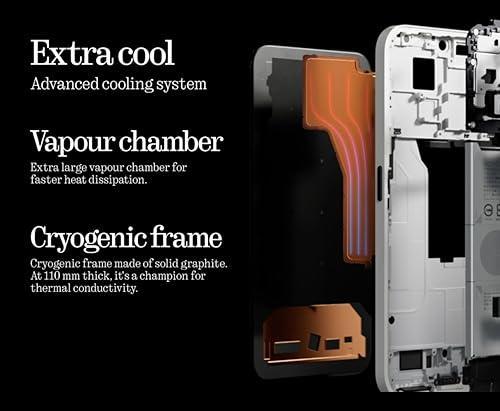
Nothing specifically highlights up to 120 FPS gameplay support on the Phone (4a), assisted by a vapor cooling system and high touch sampling rate for responsive gaming.
Popular titles expected to perform well include:
• BGMI
• Call of Duty Mobile
• Asphalt Legends
• EA FC Mobile
The Phone (4b) can handle casual and moderately demanding games but is better suited to medium graphics settings due to its more modest hardware.
Winner: Nothing Phone (4a)
Its newer Snapdragon chipset, stronger graphics capability, and dedicated cooling solution make it the better choice for gamers and power users.
Memory and Storage Options
Both smartphones offer configurations suitable for most users, but the Phone (4a) provides faster storage performance and higher-end memory options depending on the variant. UFS 3.1 storage helps reduce app loading times, speeds up file transfers, and improves overall responsiveness during multitasking.
Common storage configurations include:
Phone (4a)
• 8GB RAM + 128GB Storage
• 8GB RAM + 256GB Storage
• 12GB RAM + 256GB Storage
Phone (4b)
• 8GB RAM + 128GB Storage
Additional variants may vary depending on region and retailer.
Winner: Nothing Phone (4a)
Its broader configuration choices make it more suitable for users who keep large media libraries or run many apps simultaneously.
Camera Comparison
Source: Image designed by the website
Source: Image designed by the website

Source: Image designed by the website
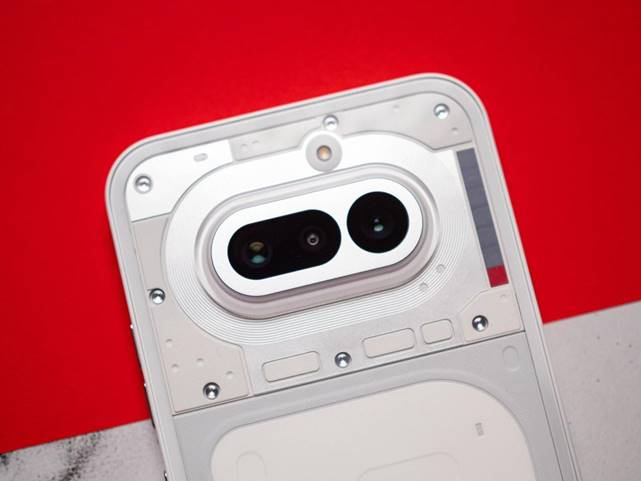
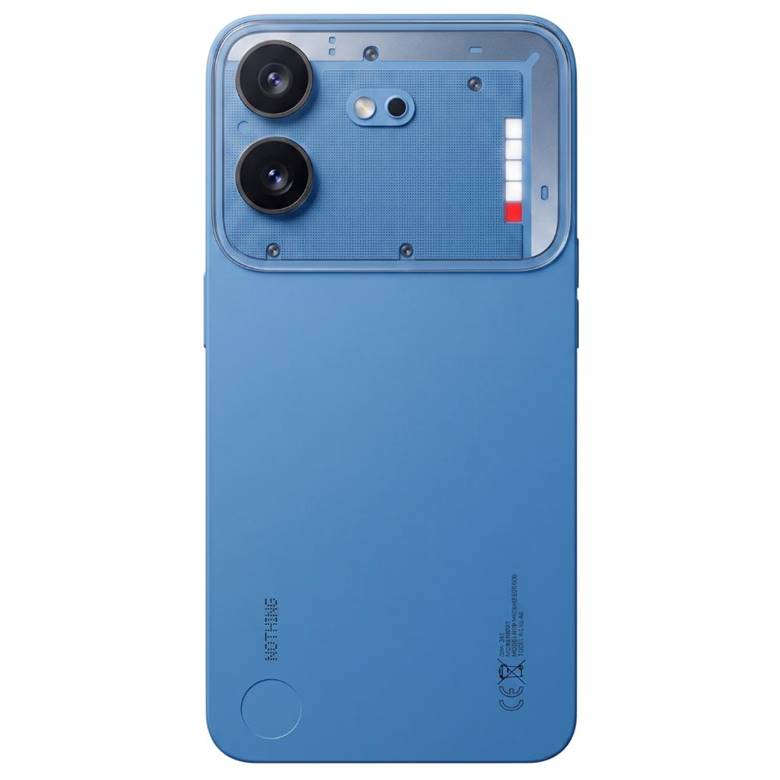
The camera system is one of the biggest differences between the Nothing Phone (4a) and the Nothing Phone (4b). While both smartphones are capable of producing attractive photos, they target different types of users.
The Phone (4a) is designed for photography enthusiasts who enjoy portrait shots, travel photography, zoom photography, and social media content creation. It introduces a versatile triple camera setup with a dedicated telephoto lens, giving users more creative flexibility.
The Phone (4b), on the other hand, focuses on everyday photography. It offers a 50MP primary camera with Optical Image Stabilization and an ultrawide camera, making it suitable for daily use without significantly increasing the phone’s price.
Rear Camera Specifications
| Feature | Nothing Phone (4b) | Nothing Phone (4a) |
| Main Camera | 50MP OIS | 50MP OIS |
| Ultra-Wide | 8MP | 50MP |
| Telephoto | No | Yes |
| Optical Zoom | No | Up to 3x |
| Digital Zoom | Available | Higher Range |
| 4K Recording | Yes | Yes |
| AI Photography | Yes | Advanced AI |
The dedicated telephoto camera gives the Phone (4a) a clear advantage when capturing distant subjects, portraits, and wildlife photos.
Daylight Photography
During daylight, both smartphones capture:
• Good dynamic range
• Natural colors
• Fast autofocus
• Sharp details
However, the Phone (4a) consistently produces more refined images due to its larger image processing pipeline and more capable camera hardware.
Example
Imagine visiting the Taj Mahal.
The Phone (4a) allows you to capture:
• Wide landscape shots
• Portrait photos with natural background blur
• Zoom shots highlighting architectural details
The Phone (4b) performs well for landscape and casual photography but lacks the telephoto flexibility.
Winner: Phone (4a)
Portrait Photography
Portrait photography has become one of the most important smartphone features.
The Phone (4a) benefits from its dedicated telephoto sensor, producing:
• Better edge detection
• More natural background blur
• Improved skin tones
• Better facial details
The Phone (4b) relies mainly on software processing. Portraits remain attractive but occasionally show less accurate edge separation around hair and complex backgrounds.
Winner: Phone (4a)
Low Light Photography
Night photography is another area where the Phone (4a) pulls ahead.
Its camera system captures:
• Lower image noise
• Better highlights
• Improved shadow details
• More balanced exposure
The Phone (4b) still performs well thanks to Optical Image Stabilization and Night Mode, but images contain slightly more grain under challenging lighting conditions.
Example
If you’re photographing a night market, city skyline, or festival lighting, the Phone (4a) retains more detail in darker areas while preserving highlights.
Winner: Phone (4a)
Selfie Camera Comparison
Both smartphones provide capable selfie cameras suitable for:
• Snapchat
• WhatsApp video calls
• Zoom meetings
• YouTube
The Phone (4a) generally delivers:
• Better HDR
• More natural skin tones
• Improved facial sharpness
• Better portrait selfies
Winner: Phone (4a)
Video Recording
Content creators increasingly rely on smartphones for video production.
Both phones support:
• 4K recording
• Electronic stabilization
• AI scene optimization
• Slow motion
The Phone (4a) adds:
• Better stabilization
• Improved HDR video
• Cleaner audio recording
• Better low-light video quality
Example
A travel vlogger recording while walking will notice smoother footage on the Phone (4a).
Winner: Phone (4a)
Battery Comparison
Source: Image designed by the website
Source: Image designed by the website
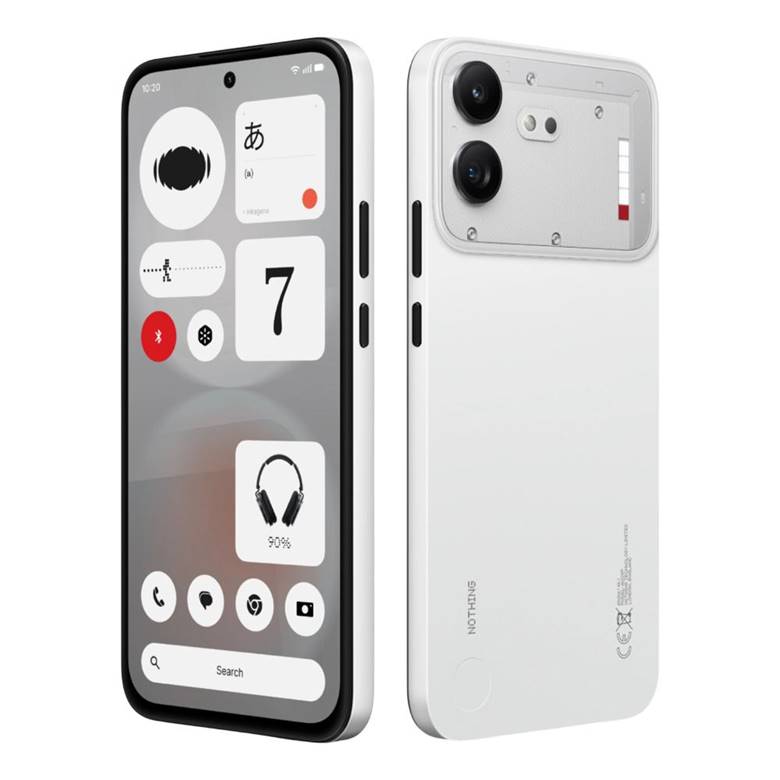
Battery life has become one of the biggest purchasing factors for smartphone buyers.
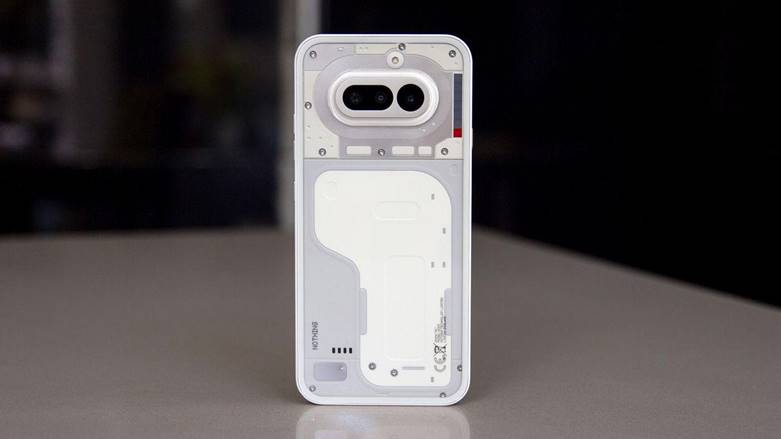
Interestingly, the Phone (4b) actually offers a larger battery than the Phone (4a).
Battery Capacity
Phone (4b)
• 6000mAh (India)
• 5200mAh (Global)
Phone (4a)
• 5400mAh (India)
Although the Phone (4a) has a slightly smaller battery, its processor is more power efficient, resulting in excellent endurance.
Typical Battery Life
Phone (4b)
Moderate Usage
• Nearly 2 days
Heavy Usage
• Around 1.5 days
Phone (4a)
Moderate Usage
• Around 1.5 to 2 days
Heavy Usage
• Full day comfortably
Charging Speed
Phone (4a)
• 50W Fast Charging
Phone (4b)
• 33W Fast Charging
The faster charging speed makes a noticeable difference.
Example
You wake up with only 10% battery.
The Phone (4a) reaches usable levels more quickly, making it more convenient before leaving for work or college.
Winner:
• Battery Capacity: Phone (4b)
• Charging Speed: Phone (4a)
Software Experience
One reason many users choose Nothing phones is the software.
Both smartphones ship with Android 16 and Nothing OS, offering a clean interface with minimal bloatware. Features include:
• Fast animations
• Clean widgets
• Essential Space
• AI tools
• Google Gemini integration
• ChatGPT integration
• Live Updates
• Glyph customization
Nothing continues to promise long term software support for both devices.
Essential AI Features
Nothing has expanded its AI ecosystem significantly.
Available features include:
• AI Writing Assistance
• Smart Search
• Voice Notes
• Live Translation
• AI Wallpapers
• Essential Space
• Smart Screenshot Organization
The Phone (4a) benefits from its more powerful chipset, allowing AI features to respond more quickly and efficiently.
Example
Searching for a screenshot from several months ago becomes easier because Essential Space automatically organizes and indexes your captured content.
Winner: Phone (4a)
Audio Quality
Both phones include:
• Stereo speakers
• Clear call quality
• Bluetooth audio support
• High resolution wireless codecs
The Phone (4a) delivers:
• Louder output
• Better bass
• Improved stereo separation
The Phone (4b) still offers impressive audio quality considering its lower price segment.
Winner: Phone (4a)
Connectivity
Modern smartphones must provide reliable connectivity.
Both phones support:
• 5G
• WiFi
• Bluetooth
• NFC
• USB Type C
• GPS
The Phone (4b) introduces Bluetooth 6.0 support in some markets, while the Phone (4a) emphasizes faster charging and higher-end imaging capabilities.
Gaming Performance in Real World Usage
Source: Image designed by the website
Source: Image designed by the website
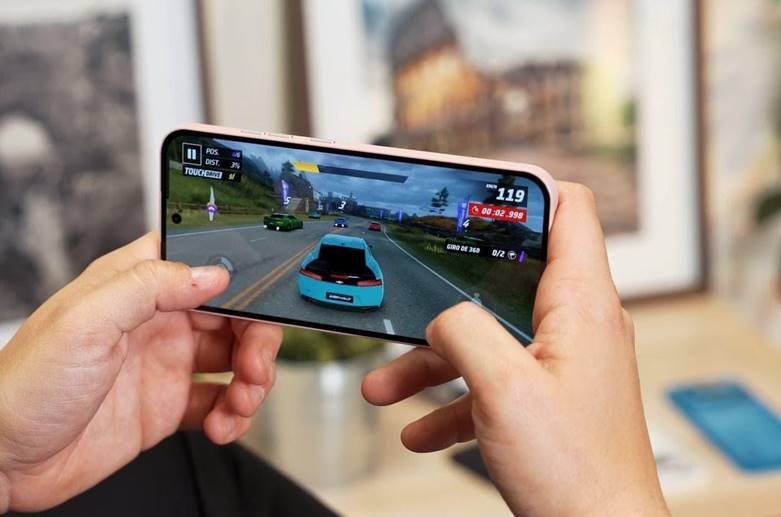
Gaming performance is one of the most important factors for many smartphone buyers. A powerful processor, efficient cooling system, fast storage, and a responsive display all contribute to a smooth gaming experience.
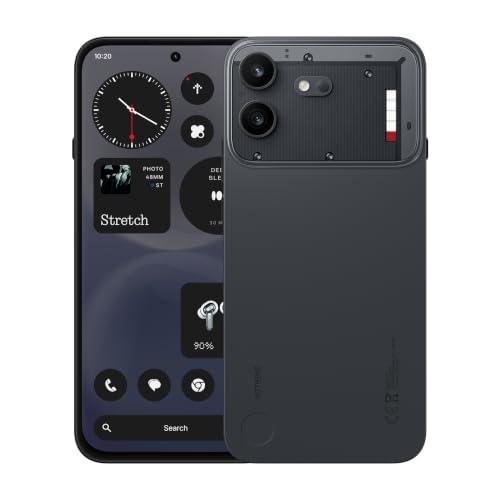
The Nothing Phone (4a) is built for users who regularly play demanding games. Its Snapdragon chipset, faster GPU, and improved thermal management allow it to maintain stable frame rates over longer gaming sessions.
The Nothing Phone (4b) is aimed at casual gamers. Popular games run well at medium settings, but extended gaming sessions may show slightly lower frame rates and occasional thermal throttling under heavy workloads.
BGMI Performance
For Indian gamers, BGMI remains one of the most demanding and popular mobile games.
Expected gameplay experience:
Nothing Phone (4a)
• Smooth graphics
• High frame rate support
• Stable performance during long matches
• Faster loading times
Nothing Phone (4b)
• Smooth gameplay at medium settings
• Good touch response
• Slight frame drops during intense combat
Example
A player participating in a 30-minute classic BGMI match will notice that the Phone (4a) maintains more consistent performance during the final circles, when multiple players, explosions, and smoke effects appear simultaneously.
Winner: Nothing Phone (4a)
Call of Duty Mobile
Call of Duty Mobile demands both CPU and GPU performance.
Phone (4a)
• Excellent responsiveness
• Stable aiming
• Better graphics quality
• Lower input latency
Phone (4b)
• Comfortable gameplay
• Medium graphics recommended
• Reliable for casual players
Winner: Nothing Phone (4a)
Multitasking Experience
Modern smartphones rarely perform only one task at a time.
A typical user may:
• Watch YouTube
• Reply to WhatsApp messages
• Download files
• Browse Chrome
• Edit photos
• Listen to Spotify
The Phone (4a) handles these tasks with greater ease because of its faster processor and storage. Apps remain active longer in memory, resulting in fewer reloads.
The Phone (4b) performs well for everyday users but may reload background applications sooner when many apps are open.
Example
Suppose you are editing a 4K travel video while uploading photos to cloud storage and responding to messages. The Phone (4a) completes these tasks more smoothly with fewer interruptions.
Winner: Nothing Phone (4a)
Thermal Management
Source: Image designed by the website
Source: Image designed by the website
Heat management affects long term performance.
When a smartphone becomes too hot, it automatically reduces processor speed to protect internal components. This process is called thermal throttling.
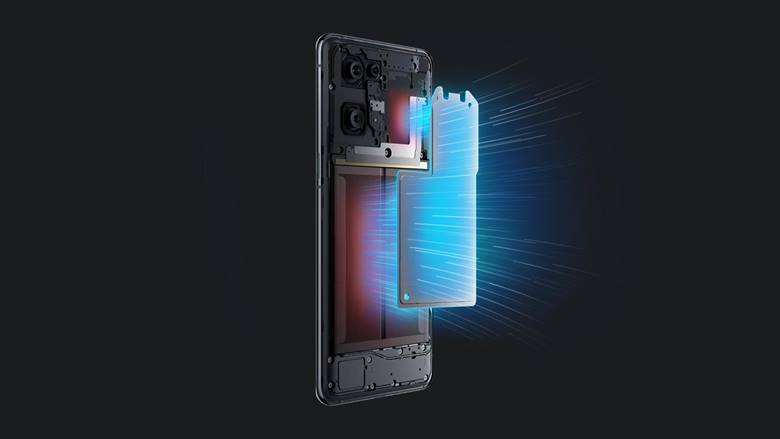
The Phone (4a) incorporates an improved cooling system designed for sustained performance. During long gaming sessions or 4K video recording, the device maintains better stability.
The Phone (4b) manages everyday temperatures well, but prolonged heavy workloads can cause the device to warm up more noticeably.
Winner: Nothing Phone (4a)
Software Updates and Long-Term Support
One of Nothing’s strongest advantages is its clean Android experience.
Both smartphones offer:
• Minimal preinstalled applications
• Fast software experience
• Regular security updates
• AI powered features
• Clean interface
Nothing OS remains one of the closest Android experiences to Google’s Pixel software while retaining its own visual identity.
For buyers planning to keep a phone for four or five years, timely software updates are an important consideration. Nothing has consistently improved its software support with each generation.
Winner: Tie
Security Features
Security is essential for both personal and business users.
Both phones include:
• In display fingerprint sensor
• Face Unlock
• Secure Folder support
• Privacy Dashboard
• Permission Manager
• Android security updates
The Phone (4a) generally unlocks slightly faster because of its newer hardware platform.
Winner: Nothing Phone (4a)
AI Features in Daily Life
Nothing has invested heavily in practical AI rather than adding features that users rarely use.
Some useful AI tools include:
• AI summaries
• Smart voice transcription
• Intelligent search
• Screenshot organization
• Writing assistance
• Calendar suggestions
Example
A college student attending lectures can record audio, generate transcripts, and quickly search important notes without manually organizing everything.
A professional attending meetings can locate an old screenshot simply by searching a keyword instead of scrolling through thousands of images.
The Phone (4a) completes these AI tasks more quickly due to its stronger chipset.
Winner: Nothing Phone (4a)
Durability
Source: Image designed by the website
Source: Image designed by the website
Source: Image designed by the website
Although both smartphones are designed for daily use, the Phone (4a) offers a more premium construction.
Advantages include:
• Better material quality
• Improved structural strength
• Higher resistance to everyday wear
• Better overall fit and finish
Users who frequently travel or use their phone without a case may appreciate the extra durability.
Winner: Nothing Phone (4a)
Value for Money
Price often determines which smartphone delivers the best value.
Choose the Phone (4b) if you:
• Want the lowest possible price
• Mainly use social media
• Watch YouTube regularly
• Browse the internet
• Play casual games
• Need excellent battery life
The Phone (4b) delivers many of Nothing’s signature features while remaining accessible to budget-conscious buyers.
Choose the Phone (4a) if you:
• Love photography
• Play demanding games
• Edit videos
• Use AI features frequently
• Want faster charging
• Prefer premium build quality
• Plan to keep the phone for several years
The Phone (4a) offers stronger overall value for users seeking a more capable smartphone.
Pros and Cons
Nothing Phone (4b)
Pros
• Attractive transparent-inspired design
• Smooth 120Hz AMOLED display
• Large battery
• Clean Nothing OS
• Affordable pricing
Cons
• Slower processor than the Phone (4a)
• No dedicated telephoto camera
• Slower charging
• Limited performance for heavy gaming
Nothing Phone (4a)
Pros
• Premium design
• Excellent AMOLED display
• Powerful Snapdragon processor
• Versatile triple camera system
• Better gaming experience
• Faster charging
• Advanced AI features
Cons
• Higher price
• Battery capacity is slightly smaller than the Phone (4b)
Final Verdict
Source: Image designed by the website
Source: Image designed by the website
After comparing all major categories, it is clear that both smartphones are designed for different audiences.
The Nothing Phone (4b) is an excellent option for users who want a stylish smartphone with a smooth AMOLED display, clean software, reliable battery life, and an affordable price. It delivers the signature Nothing experience without stretching your budget.
The Nothing Phone (4a), however, is the stronger all-around smartphone. It combines premium design, a faster processor, a brighter display, advanced AI features, a more versatile camera system, and quicker charging. If your budget allows, it offers better long-term value.
Which Phone Should You Buy?
Buy the Nothing Phone (4b) If:
✔ You have a limited budget.
✔ You mainly use social media.
✔ You browse the web frequently.
✔ You stream Netflix or YouTube.
✔ You want excellent battery life.
✔ You play casual games occasionally.
Ideal Users
• Students
• First-time Nothing buyers
• Office users
• Parents
• Everyday smartphone users
Official Link: Nothing Phone (4b)
Buy the Nothing Phone (4a) If:
✔ You enjoy mobile photography.
✔ You create content for Instagram or YouTube.
✔ You play BGMI, COD Mobile, or Genshin Impact.
✔ You edit photos and videos.
✔ You use AI productivity tools.
✔ You plan to keep your phone for several years.
Official Link: Nothing Phone (4a)
Ideal Users
• Gamers
• Creators
• Professionals
• Power users
• Photography enthusiasts
Also read: Samsung Galaxy S26 Ultra
Frequently Asked Questions
1. Which phone is better for gaming, Nothing Phone (4b) or Nothing Phone (4a)?
The Nothing Phone (4a) is the better gaming phone thanks to its more powerful processor, improved graphics performance, enhanced cooling system, and faster storage. It delivers smoother gameplay in demanding titles.
2. Does the Nothing Phone (4b) have better battery life?
The Phone (4b) offers a larger battery capacity in some markets, making it an excellent choice for users who prioritize longer endurance. The Phone (4a), however, balances battery life with faster charging and stronger overall performance.
3. Which phone has the better camera?
The Nothing Phone (4a) features a more advanced camera system, including a dedicated telephoto lens and improved image processing. It is the better option for portrait photography, zoom shots, and low-light performance.
4. Which Nothing phone offers the best value?
If your priority is affordability, the Phone (4b) delivers strong value. If you want the best overall experience with better performance, cameras, display, and AI features, the Phone (4a) is the better long-term investment.