
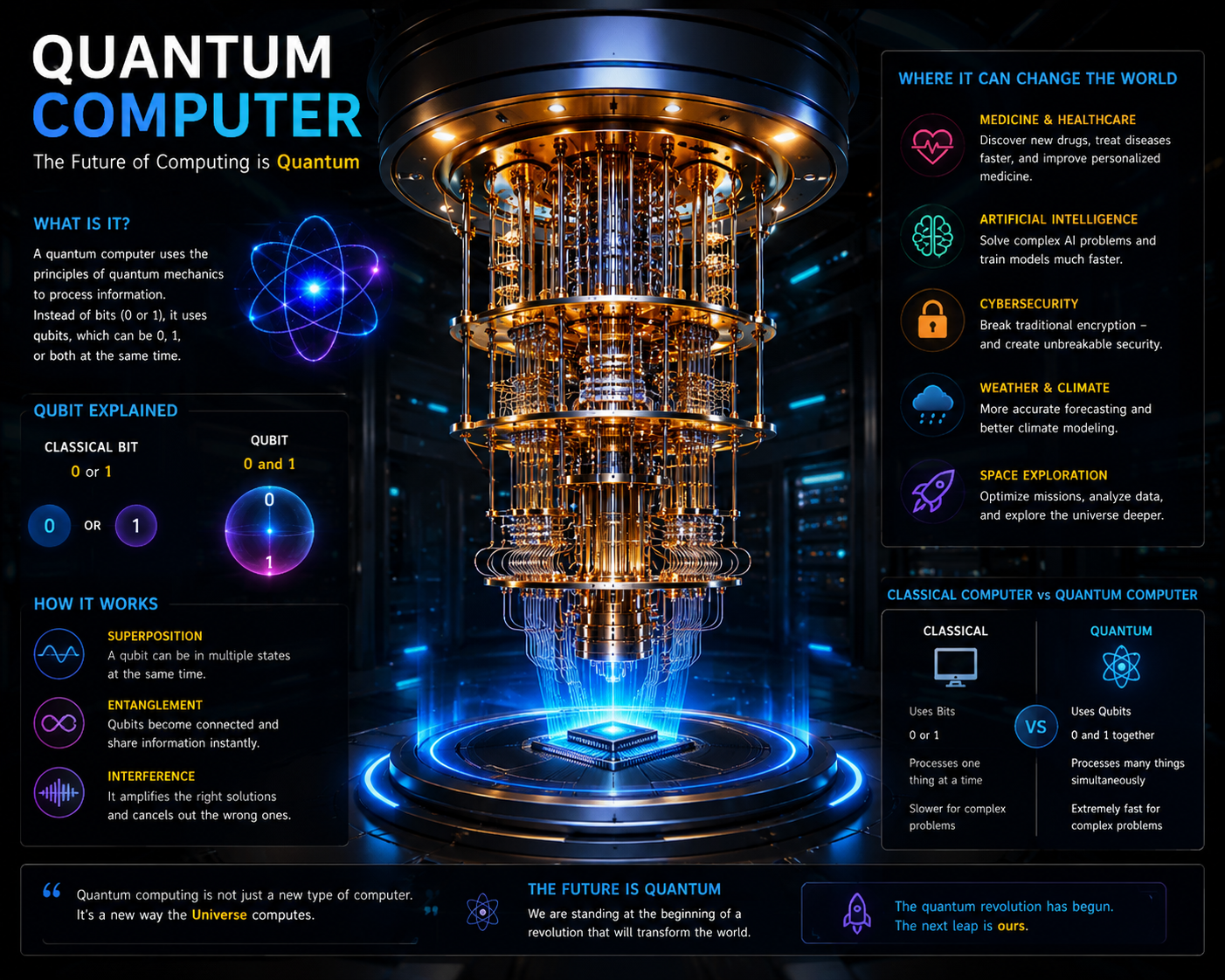

Quantum Computers are a fact. They are rapidly evolving technologies in the real world. As quantum computing is likely on the verge of emerging, companies, researchers, and even those in power are investing heavily in it.
Medical advances, artificial intelligence, and research in space and quantum computing are likely to lead to breakthroughs that will reach even more markets.
What are Quantum Computers?
Machines that use theories of quantum physics to process are quantum computers. The only values of classical computing are 0 and/or 1. In contrast, quantum computing allows qubit states of 0, 1, or both.
Using qubits, quantum computers are radically more powerful than classical computers.
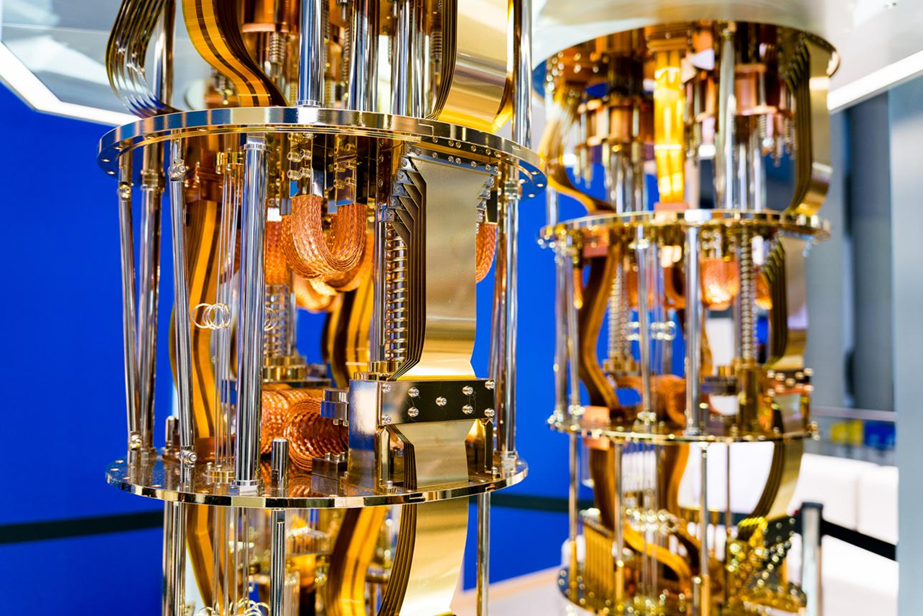

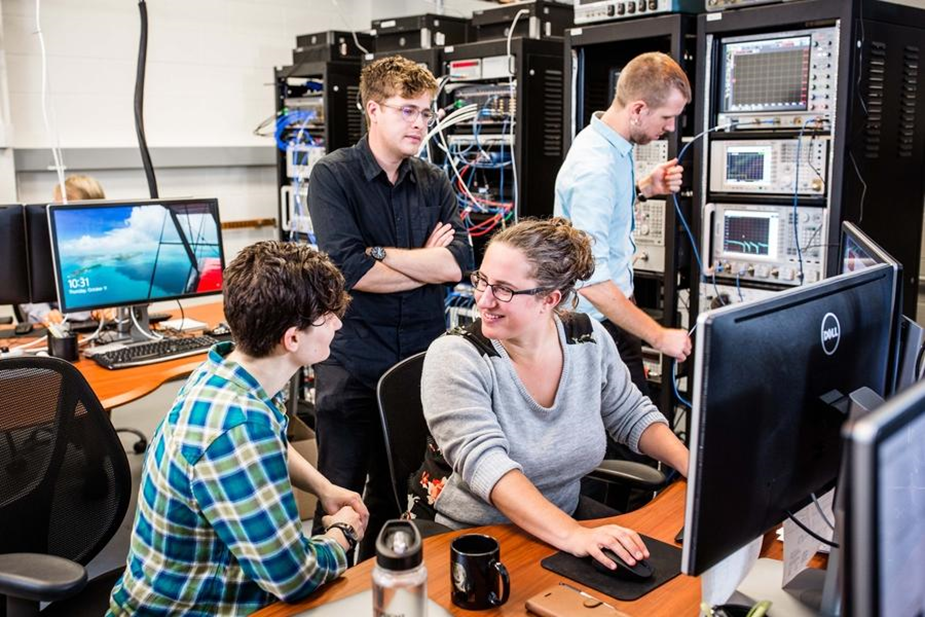
PRINCIPLES OF QUANTUM COMPUTING
Three of the principles of quantum theory make quantum computing possible:
1. Superposition
A computer bit is logically either 0 or 1.
A qubit can be 0. 1 or both.
For example:
Think of a flipped coin. It is heads or tails or both. It has not settled on the ground and is neither. It is partially in the head/tail state. Quantum computing works analogous to this.
2. Entanglement
Two qubits can be paired. A change in one requires a change in the other, regardless of the distance between the two.
This allows for rapid data processing.
3. Quantum Interference
Quantum systems are capable of augmenting answers that are correct and inhibiting answers that are incorrect. This provides a mechanism for addressing more complex problems.
THE SIGNIFICANCE OF QUANTUM COMPUTING
Classical computing cannot address the breadth and depth of computational problems that quantum computing can. For example, the following are applications that could be achieved:
Medicine
Consider the ability to simulating molecules and chemical reactions to design new treatment for personalized medicine, vaccines, or novel cancer treatment, etc.
AI Applications
Consider the ability to use quantum computing to implement more advanced machine learning, speech recognition, data analysis and robotics, etc.
Cyber security
There is a paradox: quantum computing can be used to break some codes and to create the most secure means of communication.
Futuristic Weather Prediction
Improved climate prediction models and more effective ways to advance disaster prediction would be possible.
Advanced Space Research
Quantum computing could enable more complex simulations, improve navigation in deep space, and optimise satellite use.
How India Is Entering the Quantum Race. India’s development of Quantum Tech is also promising. The Government of India launched the National Quantum Mission, which is concerned with enhancing research infrastructure, building computing capacity and advancing related technologies. Several research institutes and the IITs are working on several aspects of quantum tech, including quantum communication, quantum cryptography, and the development of quantum processors, among others. These developments are going to create new job opportunities in India. With several startups and corporates in India exploring the application of quantum tech in banking, healthcare, agri-tech, and defence, students and technology specialists can expect many opportunities in the near future. Quantum computing is still very nascent. However, the next decade is expected to bring many breakthroughs that will disrupt how we think about and approach scientific and industrial challenges.
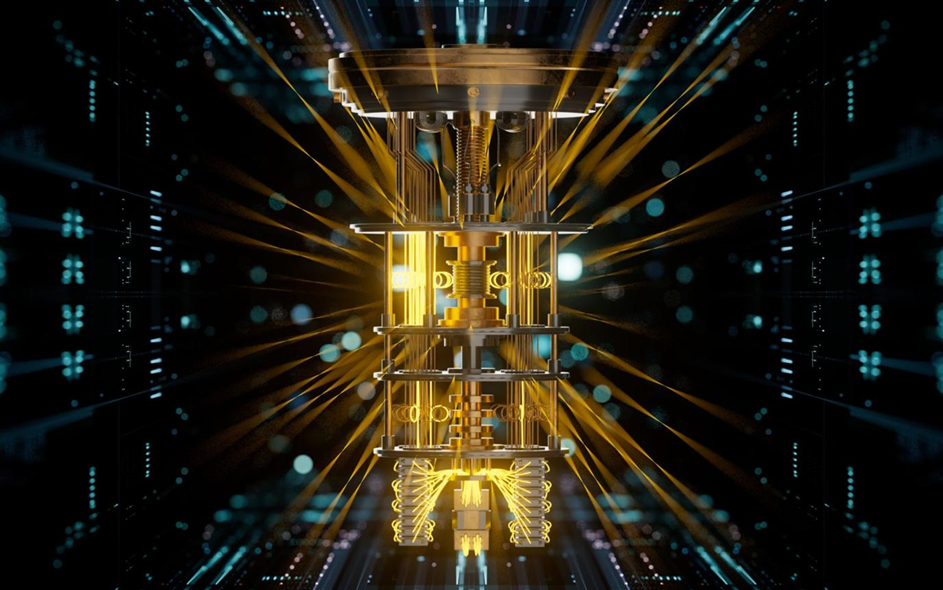
Differentiating Classical Computers from Quantum Computers
| Feature Classical Compute Quantum Computer |
| Data Unit Bit Qubit |
| State 0 or 0, 1other |
| Speed Limited Extremely fast |
| Processing Sequential Parallel |
| Usage : Daily tasks , Complex calculations |
Real-World Examples of Quantum Computing
IBM Quantum
IBM Quantum is designing cloud-based quantum systems which will be available for researchers globally.
Google Quantum AI
By solving a calculation quicker than all other supercomputers, Google’s Quantum AI has claimed quantum supremacy.
Microsoft Quantum
Microsoft Quantum is developing an improved quantum architecture that employs scalable quantum technologies.
D Wave Systems
Commercial quantum computers used for optimization problems are developed by D Wave Systems.
Challenges of Quantum Computing
Quantum computers are extremely powerful, yet face a variety of true challenges.
High Cost
The technology of quantum systems is very costly. Additionally, the infrastructure that supports them is also expensive.
Extreme Cooling
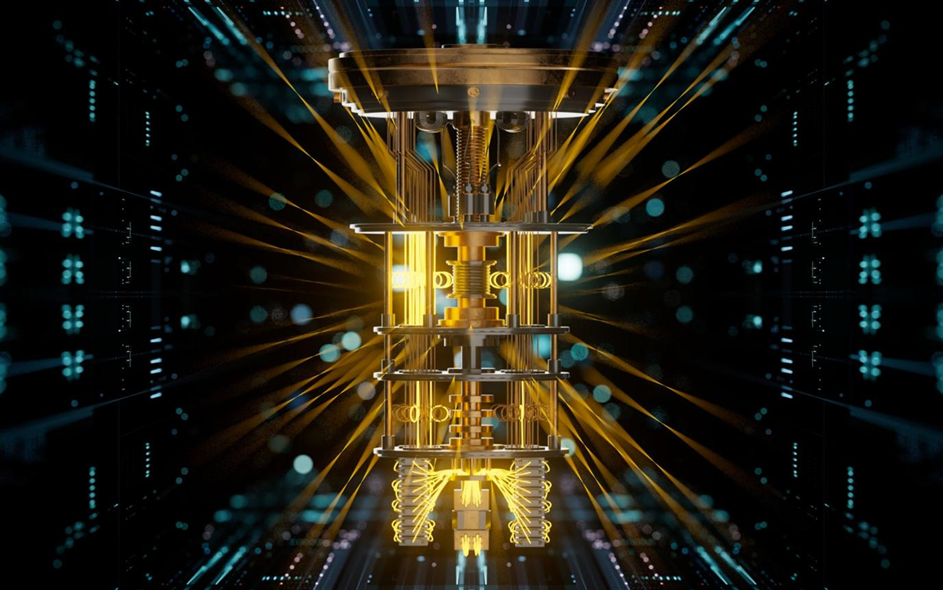
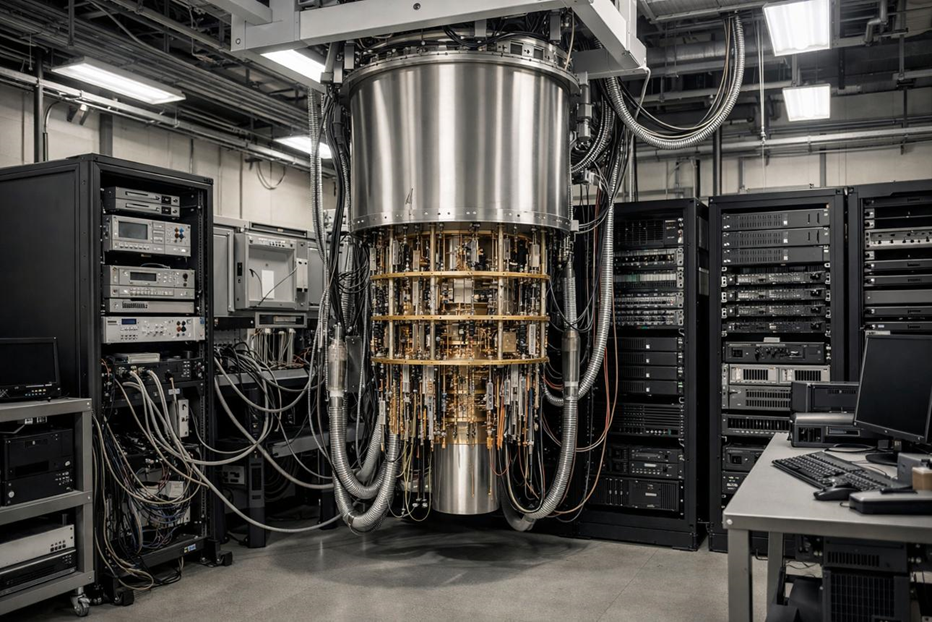
Most quantum processors must be cooled and maintained at near absolute zero.
Error Rates
There are high error rates since qubits are extremely sensitive and unstable.
Limited Availability
Quantum computers are still in developmental phases. Hence, they cannot be accessed by the general population.

Will Quantum Computers Replace Regular Computers
The answer is no.
Your daily use devices, smartphones, and laptops, are optimized for tasks like:
- browsing
- gaming
- video editing
- social media
Quantum devices are built for specific niche use cases about science and industry. In the future, both these systems are likely to coexist in parallel.
Quantum Computing and Artificial intelligence
The merging of quantum computing and artificial intelligence will be one of the biggest trends of the future.
Such a trend will enable:
- faster training of AI models
- Improvement of massive data analytics
- advancement of automation
- construction of advanced systems
There is a consensus that artificial intelligence alongside quantum computing will have a significant positive impact on the economy for the next two decades.
What’s the Future of Quantum Tech
Many people place quantum computers of today in a similar time period as the early Internet of the 1990s. Today’s quantum tech owes its rapid improvements to the fact that many people are heavily investing in this space.
These investments will lead to exciting developments such as:
- the ability to complete the drug discovery process in days
- The establishment of unhackable internet
- new frontiers in advanced climate technologies
- major advancements in building more complex AI systems
- increased computational speed for solving complex financial use cases
Major world powers such as the United States, China, India, and Germany are investing heavily in quantum physics.
Will the Advancement of Quantum Computing Give Rise to New Jobs?
Quantum technology will create new high-tech industries demanding:
- quantum software development
- quantum research
- proper AI
- data science
- advanced cybersecurity
Students involved in coding, physics, and AI are likely to have strong careers in quantum technology.
Interesting facts
Quantum computers abide by the rules of quantum physics (a discovery that was made over a century ago).
Some quantum systems can operate at temperatures that are billions of degrees below zero.
FAQs
1. What is Quantum Computer’s purpose?
Quantum computers are intended to perform tasks that are highly difficult for conventional computers.
2. Who is the inventor of the concept of Quantum Computing?
Quantum computing was first theorized by Richard Feynman, and David Deutsch, and others.
3. Are Quantum Computers capable of cracking passwords?
Some of the current encryption schemes may be easily broken by future powerful quantum computers. In response to this problem, quantum safe security systems are being developed.
4. Is Quantum Computing something that can be accessed now?
Certainly, but only in research and in certain industry sectors. The cost is extremely high, and public access is limited.