

Buying a smartphone has become more confusing than ever. A few years ago, paying more almost always meant getting significantly better performance, cameras, and premium features. Today, that gap has narrowed.
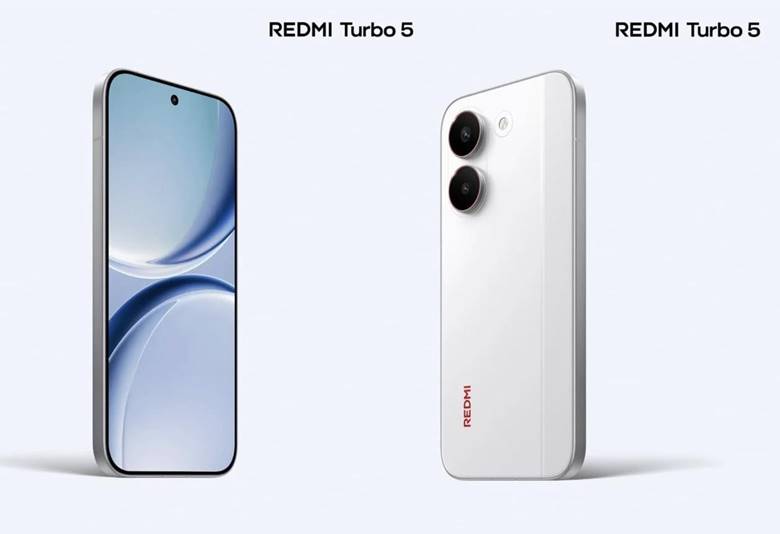
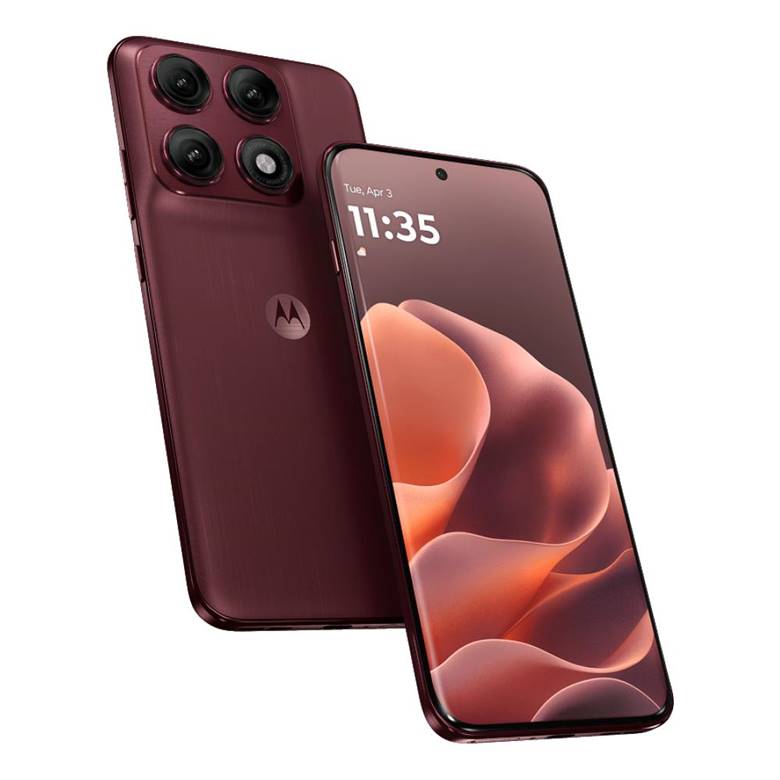
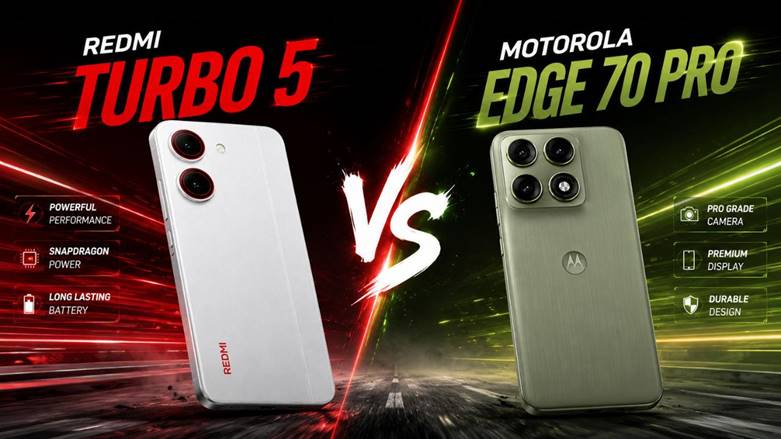
Manufacturers have started offering flagship-level processors in mid-premium smartphones, making it difficult to justify spending hundreds of dollars extra. This is exactly where the Redmi Turbo 5 and Motorola Edge 70 Pro Plus enter the conversation.
At first glance, both phones appear to deliver almost identical performance. They target power users, gamers, photographers, and multitaskers. Their specifications look surprisingly similar. Their benchmark scores are expected to compete in the same league. Both offer high refresh rate OLED displays, fast charging, large batteries, AI-powered software features, and premium designs.
Source: Image designed by the official website
So why does one cost noticeably more?
Buying a smartphone has become more confusing than ever. A few years ago, paying more almost always meant getting significantly better performance, cameras, and premium features. Today, that gap has narrowed.
Manufacturers have started offering flagship-level processors in mid-premium smartphones, making it difficult to justify spending hundreds of dollars extra. This is exactly where the Redmi Turbo 5 and Motorola Edge 70 Pro Plus enter the conversation.
At first glance, both phones appear to deliver almost identical performance. They target power users, gamers, photographers, and multitaskers. Their specifications look surprisingly similar. Their benchmark scores are expected to compete in the same league. Both offer high refresh rate OLED displays, fast charging, large batteries, AI-powered software features, and premium designs.
So why does one cost noticeably more?
Is Motorola charging extra simply because of branding? Does Redmi compromise somewhere to achieve aggressive pricing? Or does the higher price actually deliver meaningful benefits that improve your everyday experience?
This detailed comparison answers those questions by examining every important category rather than focusing only on specifications.
Throughout this guide, you will learn about:
• Build quality
• Display technology
• Everyday performance
• Gaming capability
• Thermal management
• Software experience
• User interface
• Premium features
• Overall value
By the end, you will clearly understand which smartphone deserves your money.
Source: Image designed by the official website
Quick Specifications Comparison
| Feature | Redmi Turbo 5 | Motorola Edge 70 Pro Plus |
| Display | 6.7-inch AMOLED, 144Hz | 6.7-inch OLED, 144Hz |
| Resolution | 1.5K | 1.5K |
| Processor | Flagship-class chipset | Flagship-class chipset |
| RAM | Up to 16GB | Up to 16GB |
| Storage | Up to 1TB | Up to 1TB |
| Rear Camera | Triple Camera Setup | Triple Camera Setup |
| Front Camera | High Resolution Selfie Camera | High Resolution Selfie Camera |
| Battery | Around 7000mAh | Around 6000mAh |
| Fast Charging | 90W | 125W |
| Operating System | HyperOS | Hello UI |
| Connectivity | WiFi 7, Bluetooth, 5G | WiFi 7, Bluetooth, 5G |
At first glance, these specifications make both smartphones look almost identical. However, real-world performance often tells a different story.
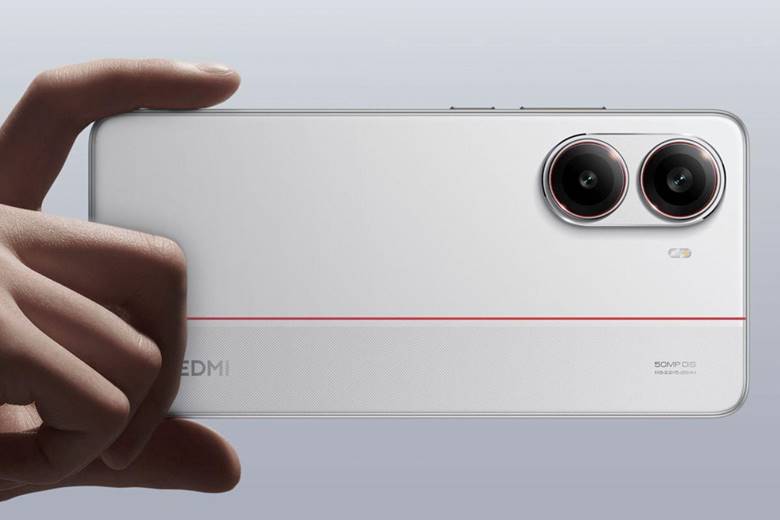
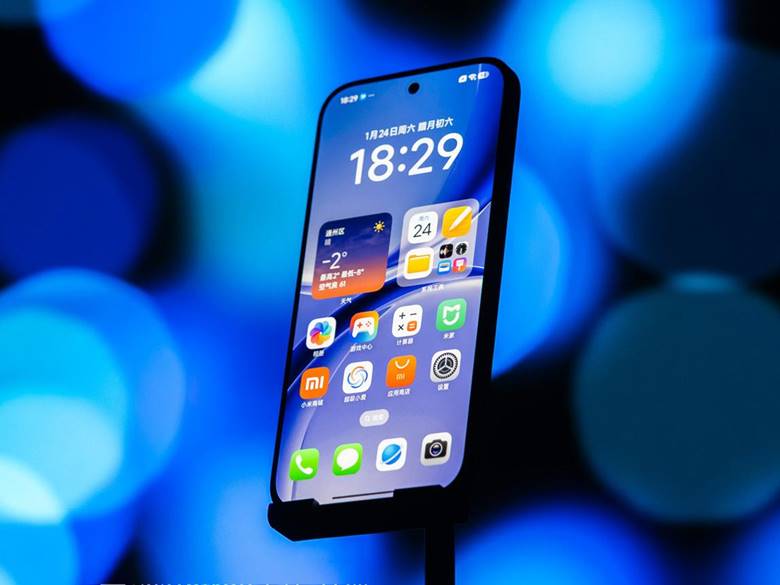
Redmi Turbo 5: Built for Maximum Value
Source: Image designed by the official website
Source: Image designed by the official website
Redmi has built a strong reputation for delivering flagship-level performance at prices that undercut competitors.
The Turbo series continues this philosophy by focusing on the features that matter most to performance-focused buyers.
Instead of spending heavily on luxury materials or marketing, Redmi typically allocates more of its budget to components such as:
• Powerful processor
• Larger battery
• Better cooling
• Faster memory
• High refresh rate display
For gamers and heavy users, this strategy often provides better value than paying extra for cosmetic upgrades.
Imagine two laptops with the same processor. One costs more because it has a premium aluminum body, while the other focuses on raw performance. Many users would choose the second option because it delivers more speed for less money.
The Redmi Turbo 5 follows a similar philosophy.
Its target audience includes:
• Mobile gamers
• Students
• Content consumers
• Budget-conscious buyers
• Performance enthusiasts
If your primary concern is speed, Redmi is designed to impress.
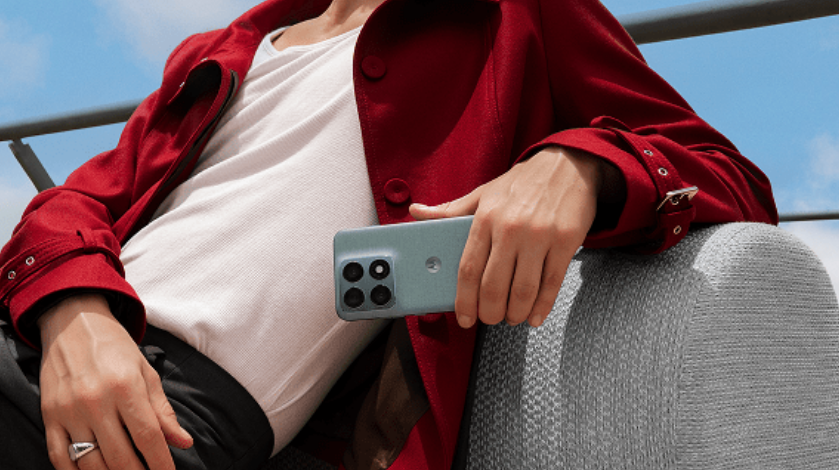
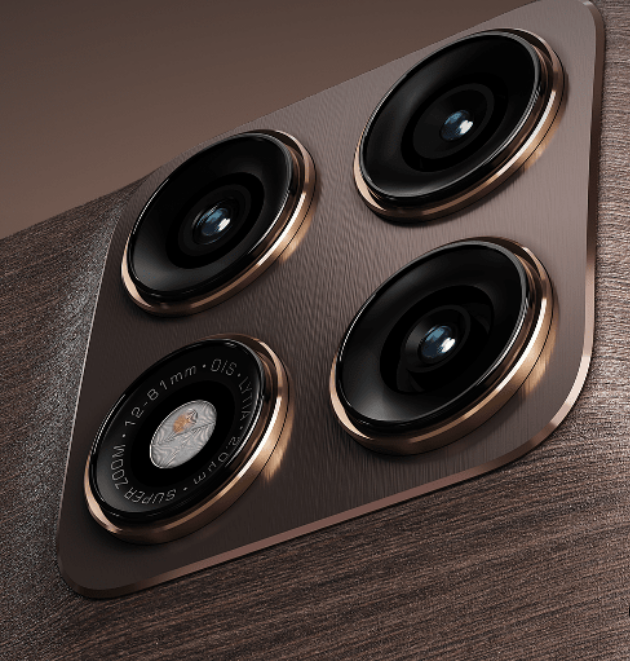
Motorola Edge 70 Pro Plus: A Premium Experience Beyond Specifications
Source: Image designed by the official website
Source: Image designed by the official website
Motorola approaches smartphones differently.
Rather than competing purely on benchmark numbers, Motorola focuses on the overall ownership experience.
This includes:
• Premium curved display
• Refined software
• Excellent haptics
• Comfortable ergonomics
• Better camera optimization
• Longer software reliability
These details may not appear on a specification sheet, but they significantly influence how enjoyable a phone feels after months of daily use.
Consider two restaurants serving similar quality food. One offers elegant presentation, comfortable seating, and exceptional service. Many customers willingly pay extra because the experience feels better.
Motorola follows the same philosophy.
The company understands that users interact with their phones hundreds of times every day. Even small improvements in animations, touch response, vibration feedback, and software optimization create a noticeable difference over time.
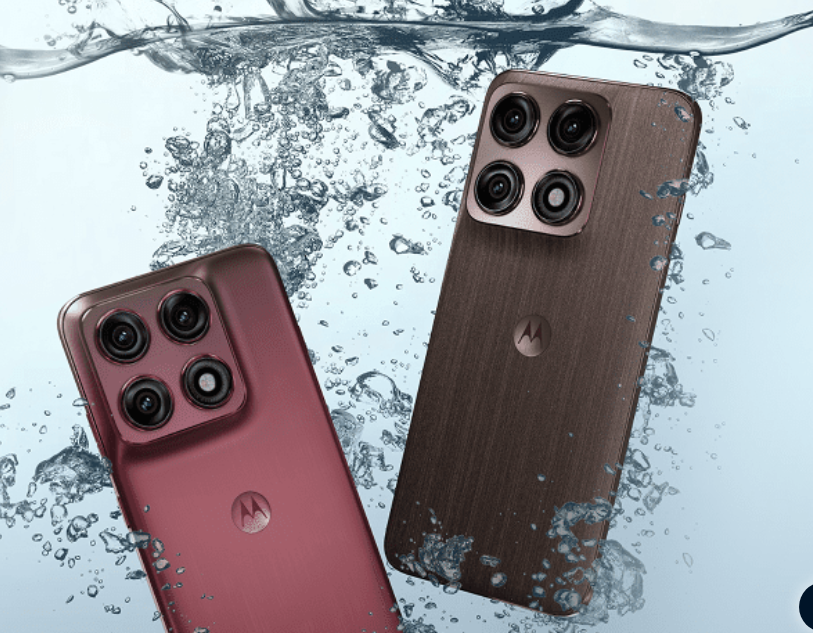
Design Comparison
A smartphone spends every day in your hand. Design therefore matters much more than many people realize.
Source: Image designed by the official website
Redmi Turbo 5 Design
Redmi emphasizes durability and practicality.
Expected highlights include:
• Flat display
• Flat frame
• Symmetrical appearance
• Strong grip
• Modern minimalist design
Flat displays are particularly popular among gamers because accidental touches occur less frequently.
They also make applying tempered glass easier.
The camera module is expected to remain simple yet attractive without making the phone excessively bulky.
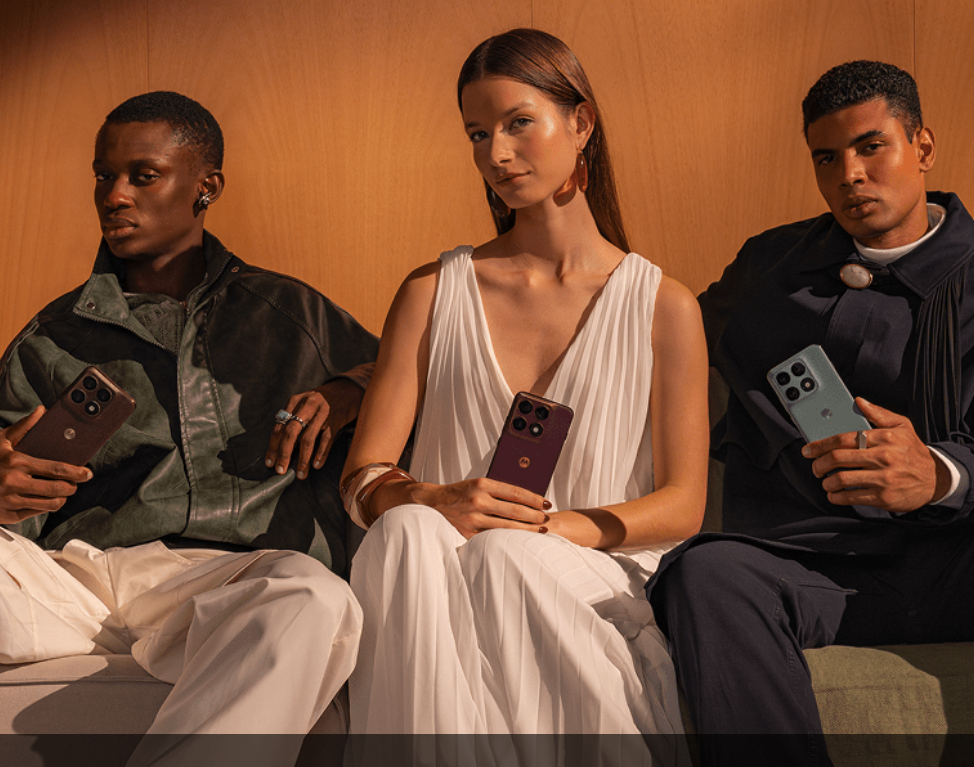
Motorola Edge 70 Pro Plus Design
Source: Image designed by the official website
Motorola traditionally produces some of the most elegant Android smartphones.
The Edge series often features:
• Curved OLED display
• Slim profile
• Lightweight construction
• Premium matte finish
• Excellent in-hand comfort
The curved edges make the phone appear thinner than it actually is.
Many users describe Motorola phones as feeling more premium than similarly priced competitors.
However, curved displays divide opinions.
Advantages:
• Premium appearance
• Immersive viewing
• Comfortable edge gestures
Disadvantages:
• Higher repair cost
• Accidental touches
• More difficult screen protector installation
Your preference ultimately depends on personal taste.
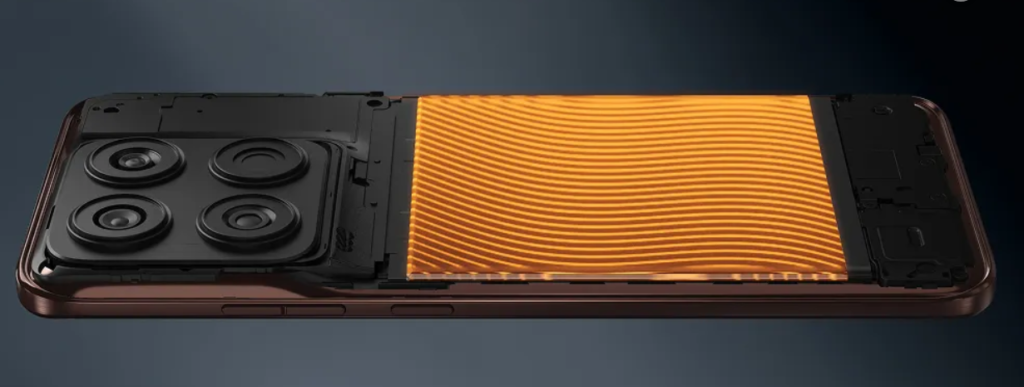
Build Quality
Source: Image designed by the official website
Both smartphones are expected to use high-quality materials.
However, build quality extends beyond the frame.
Important factors include:
• Structural rigidity
• Scratch resistance
• Water resistance
• Button quality
• Haptic feedback
Motorola generally pays more attention to these smaller details.
The power button often feels more tactile.
The vibration motor usually produces sharper feedback.
Animations appear smoother because software optimization complements the hardware.
These improvements rarely appear in advertisements but contribute significantly to long-term satisfaction.
Display Comparison
The display is the component you interact with more than any other.
Both smartphones offer premium OLED technology.
Expected features include:
• 144Hz refresh rate
• HDR support
• Wide color gamut
• High brightness
• Excellent contrast
At first glance, both displays seem identical.
However, display quality depends on much more than refresh rate.
Brightness
Outdoor visibility becomes increasingly important.
Imagine checking Google Maps during a sunny afternoon.
A brighter display allows:
• Easier navigation
• Better photo viewing
• Comfortable reading
• Improved video playback
Motorola often performs exceptionally well in brightness optimization.
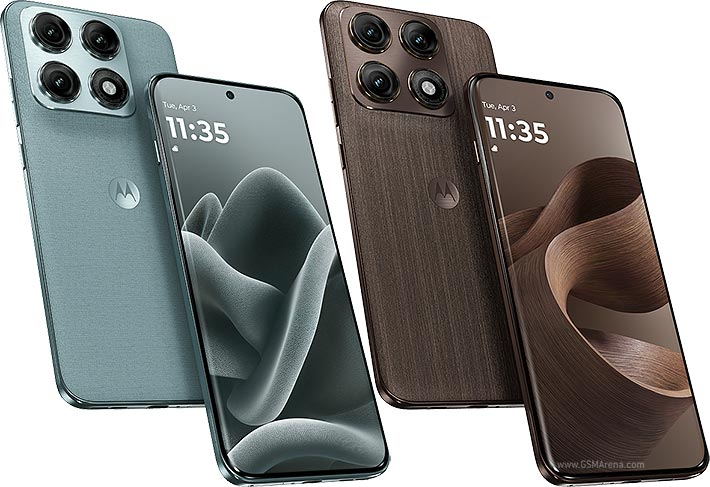
Color Accuracy
Professional creators appreciate accurate colors.
If you edit photos for Instagram or YouTube thumbnails, color calibration matters.
Motorola usually delivers more natural colors.
Redmi often offers more vibrant colors by default, making movies and games appear visually exciting.
Neither approach is wrong.
It simply depends on your preference.
Source: Image designed by the official website
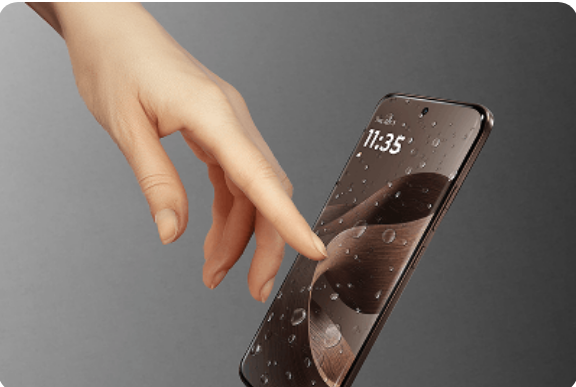
Smoothness
Source: Image designed by the official website
Both devices are expected to support adaptive refresh rates.
This allows scrolling to feel fluid while conserving battery when higher refresh rates are unnecessary.
Examples include:
Scrolling through news articles.
Watching YouTube videos.
Playing competitive games.
Reading ebooks.
Adaptive refresh rates help balance performance with battery efficiency.
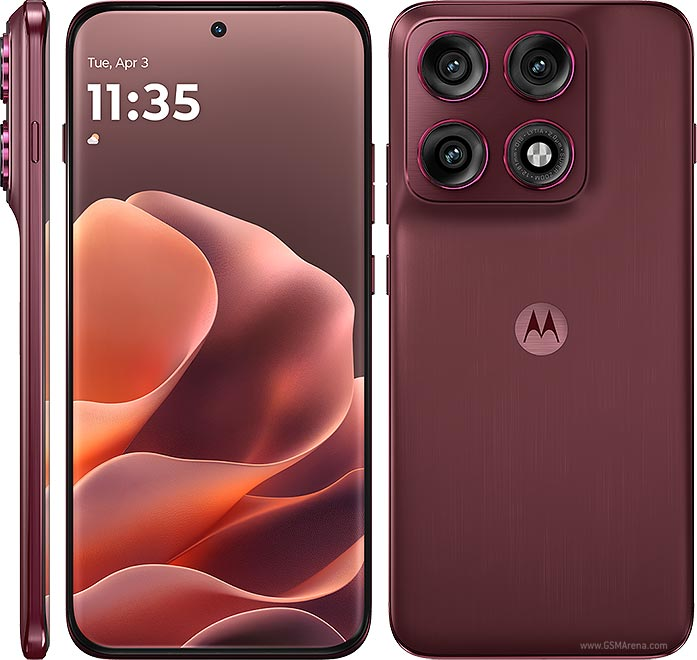
Performance Comparison
Source: Image designed by the official website
Performance represents one of the biggest reasons buyers consider these smartphones.
Fortunately, both are expected to deliver flagship-class speed.
This means:
• Fast app launching
• Smooth multitasking
• Quick photo processing
• Excellent gaming
• Reliable long-term performance
For most users, neither phone will feel slow.
Everyday Performance
Imagine the following daily routine.
Morning:
You check emails.
Switch to WhatsApp.
Open Google Chrome.
Watch YouTube.
Navigate with Maps.
Take several photos.
Reply to messages.
Continue music playback in the background.
Both smartphones handle these tasks effortlessly.
You are unlikely to notice meaningful differences
Heavy Multitasking
Now imagine a demanding workload.
Chrome with twenty tabs.
Photo editing.
YouTube Premium.
Spotify.
Instagram.
AI tools.
Cloud backups.
Video calls.
Navigation.
Most budget phones begin slowing down.
These two devices continue running smoothly thanks to powerful processors and generous RAM.
App Opening Speed
Application loading depends on three major components.
Processor.
RAM.
Storage speed.
Both smartphones are expected to feature fast storage technology that dramatically reduces loading times.
For example:
Camera launches almost instantly.
Games load quickly.
Large files transfer rapidly.
Video editing becomes significantly faster.
These improvements save time every day.
AI Performance
Artificial Intelligence now plays an important role in smartphones.
Expected AI functions include:
Photo enhancement.
Voice transcription.
Live translation.
Writing assistance.
Battery optimization.
Background object removal.
Real-time image processing.
Both smartphones possess enough processing power to support advanced AI features for several years.
However, Motorola often integrates AI into the user interface more naturally, making features easier to discover and use.
Source: Image designed by the official website
After comparing the design, display, and everyday performance, the next question is obvious.
If both phones feel equally fast, where does the extra money go?
The answer becomes clearer when you examine gaming, cameras, software, charging technology, connectivity, and the overall user experience. These are the areas where premium smartphones often separate themselves from value-focused competitors.
Gaming Performance
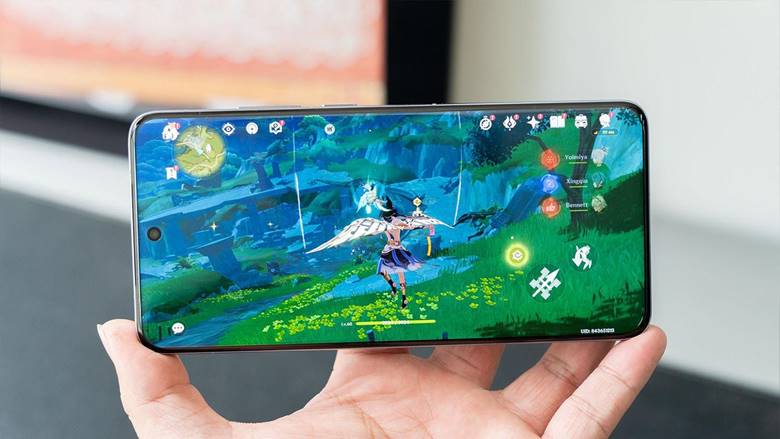
Gaming is no longer limited to casual puzzle games. Many users spend hours playing demanding titles such as:
• BGMI
• Call of Duty Mobile
• Genshin Impact
• PUBG Mobile
• Asphalt Legends
• Honour of Kings
These games place continuous pressure on the processor, GPU, memory, display, and cooling system.
Redmi Turbo 5 Gaming Experience
Source: Image designed by the official website
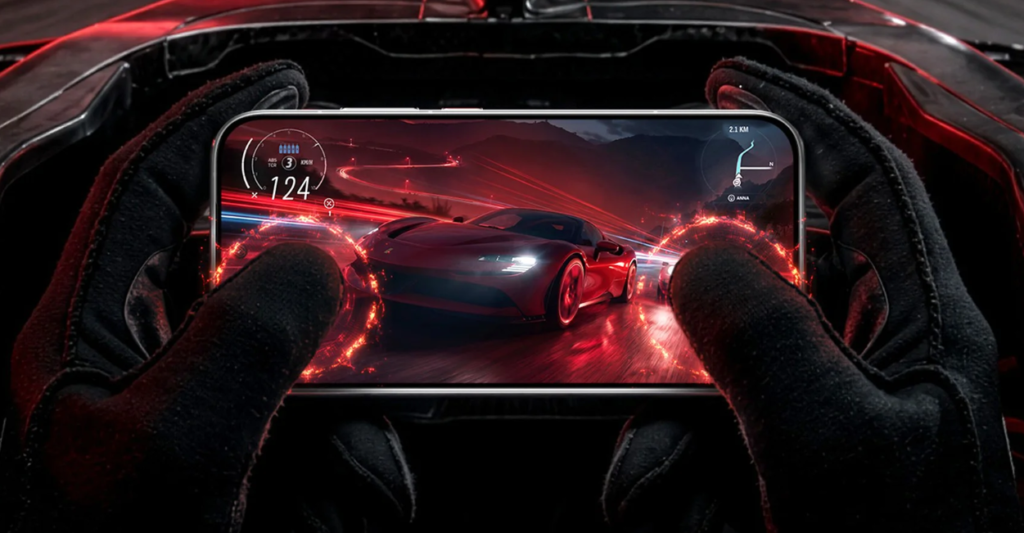
Redmi has consistently targeted gamers with its Turbo lineup.
Its strengths include:
• Stable frame rates
• Fast touch response
• Efficient cooling system
• High refresh rate display
• Large battery capacity
For example, imagine playing BGMI for two hours with voice chat enabled, screen brightness at 70 per cent, and WiFi connected.
The Redmi Turbo 5 is expected to maintain smooth gameplay with minimal frame drops because its cooling system is designed to keep temperatures under control.
The larger battery also allows longer gaming sessions before you need to recharge.
Motorola Edge 70 Pro Plus Gaming Experience
Motorola delivers flagship-level gaming performance as well.
Instead of focusing only on maximum frame rates, Motorola emphasises consistency.
You may notice:
• Better vibration feedback during shooting games
• More refined touch response
• Stable thermal performance
• Smooth animation transitions
The gaming experience feels polished rather than aggressive.
For most players, the difference between these phones during actual gameplay will be very small.
Which Phone Wins for Gaming?
If your priority is getting the highest performance for the lowest price, Redmi has the advantage.
If you also care about premium software optimisation and refined haptic feedback, Motorola offers a more polished experience.
Winner: Redmi Turbo 5 for value. Motorola Edge 70 Pro Plus for refinement.
Camera Comparison
The camera is one area where premium smartphones often justify their higher price.
A processor alone cannot produce great photos.
Image quality depends on:
• Camera sensors
• Lens quality
• Image processing
• AI optimization
• Dynamic range
• Colour science
This is where software becomes just as important as hardware.
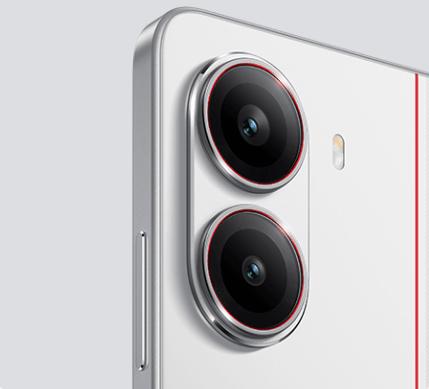
Redmi Turbo 5 Camera
Source: Image designed by the official website
Redmi usually delivers excellent daylight photography.
Expected strengths include:
• Bright colors
• Sharp images
• Fast autofocus
• AI scene recognition
• High resolution output
For social media users, these photos often require little editing.
Food photography, travel photos, and landscapes generally appear vibrant and eye-catching.
Low Light Photography
Night photography is much more challenging.
The camera must balance:
• Noise reduction
• Detail preservation
• Exposure
• White balance
Redmi performs well, but its image processing sometimes increases sharpness and saturation.
The result looks attractive, although it may not always reflect natural colours.
Motorola Edge 70 Pro Plus Camera
Motorola has significantly improved its camera processing over recent generations.
Expected advantages include:
• Better HDR
• More natural skin tones
• Improved dynamic range
• Superior night photography
• Better video stabilisation
Imagine photographing a sunset.
The Redmi image may produce stronger colours that immediately stand out.
The Motorola image may preserve more detail in the clouds while maintaining realistic lighting.
Professional photographers generally prefer accurate colours over exaggerated ones.
Portrait Photography
Portrait mode has become one of the most used smartphone features.
A good portrait depends on:
• Edge detection
• Background blur
• Skin tone accuracy
• Focus speed
Motorola often performs better in separating the subject from the background.
Hair edges, glasses, and clothing usually appear cleaner in portrait mode.
Selfie Camera
Both smartphones are expected to include high-resolution selfie cameras.
For everyday users, both will perform well for:
• Video calls
• Snapchat
• Online meetings
Motorola may offer slightly better facial tones under difficult lighting conditions.
Video Recording
Content creators increasingly rely on smartphones.
If you regularly create YouTube Shorts or Instagram Reels, video quality becomes important.
Motorola is expected to provide:
• Better stabilization
• More accurate exposure
• Improved autofocus tracking
• Better audio recording
Redmi is likely to produce excellent video quality, but Motorola’s software optimisation can create smoother results while walking or recording moving subjects.
Camera Winner
For casual photography, both phones perform extremely well.
For creators who value natural colours, video stabilisation, and low-light photography, Motorola justifies some of its higher price.
Battery Comparison
Battery life directly affects your daily experience.
Nobody wants to carry a charger throughout the day.
Redmi Turbo 5 Battery
The expected battery capacity is one of Redmi’s biggest advantages.
Benefits include:
• Longer screen time
• Better gaming endurance
• Reduced charging frequency
• Improved travel convenience
Example:
A university student attends lectures from morning until evening.
During the day they:
• Watch online classes
• Use Google Maps
• Browse social media
• Listen to music
• Take notes
The Redmi Turbo 5 is more likely to complete the day comfortably without requiring a recharge.
Motorola Edge 70 Pro Plus Battery
Although its battery may be slightly smaller, Motorola compensates through software optimisation.
Background applications are managed efficiently, reducing unnecessary battery drain.
This results in reliable all-day battery life for most users.
Charging Speed
Charging technology has become almost as important as battery capacity.
Redmi Turbo 5
Expected fast charging:
• Around 90W
This allows users to quickly recharge before leaving home.
Motorola Edge 70 Pro Plus
Expected fast charging:
• Around 125W
Motorola has traditionally been among the fastest charging smartphone brands.
Imagine forgetting to charge your phone overnight.
You wake up with only 10 per cent battery.
A quick charge while eating breakfast may provide several hours of additional usage.
For busy professionals, this convenience can be valuable.
Winner: Motorola Edge 70 Pro Plus
Software Experience
Specifications tell only part of the story.
Software determines how enjoyable a smartphone feels after six months.
Redmi HyperOS
HyperOS focuses on:
• Speed
• Customization
• Feature-rich interface
• Device ecosystem
Users enjoy:
• Floating windows
• Split screen
• Extensive themes
• Advanced settings
Power users often appreciate the high level of customisation.
However, some users prefer a cleaner interface.
Motorola Hello UI
Motorola’s software has traditionally been praised for its simplicity.
Advantages include:
• Near stock Android experience
• Smooth animations
• Minimal pre-installed apps
• Fast navigation
• Easy learning curve
Many users describe Motorola software as clean and distraction-free.
Example:
Imagine helping your parents switch to a new smartphone.
A clean interface reduces confusion and makes learning easier.
AI Features
Artificial Intelligence continues to shape smartphone experiences.
Expected features include:
• AI writing assistance
• AI photo editing
• Object removal
• Live translation
• Smart summaries
• Voice transcription
• Intelligent search
Motorola generally integrates AI more naturally into the operating system.
Redmi offers similar capabilities but often places more emphasis on customisation.
Connectivity
Modern smartphones must support reliable connectivity.
Expected features include:
• 5G
• WiFi 7
• Bluetooth
• NFC
• USB Type-C
• GPS
Both devices should provide excellent connectivity performance for several years.
Most users will not notice meaningful differences.
Audio Quality
Many people underestimate smartphone speakers.
Good speakers improve:
• Movies
• Gaming
• Music
• Video calls
Motorola has consistently delivered balanced stereo speakers with strong Dolby Atmos tuning.
Dialogue sounds clearer, and music maintains better separation between vocals and instruments.
Redmi also provides impressive stereo speakers, although Motorola generally offers a richer listening experience.
Haptics
Haptic feedback affects every interaction.
Typing.
Notifications.
Gaming.
Navigation.
Motorola usually provides tighter and more precise vibration feedback.
This subtle improvement makes the phone feel more premium throughout daily use.
Source: Image designed by the official website
By now, one thing is obvious.
The Redmi Turbo 5 and Motorola Edge 70 Pro Plus are much closer than their prices might suggest. Both promise flagship-level performance, smooth displays, capable cameras, and modern software. However, smartphones are long-term investments. Most people keep a phone for three to five years.
That makes long-term performance just as important as first impressions.
In this section, we compare sustained performance, thermal efficiency, software updates, durability, resale value, and overall value for money to answer one question.
Which phone is the smarter purchase in 2026?
Benchmark Performance
Benchmarks provide a standardised way to measure smartphone performance.
Popular benchmark platforms include:
• AnTuTu Benchmark
• Geekbench
• 3DMark Wildlife
• PCMark Work Performance
Although benchmark numbers do not tell the whole story, they help compare raw processing power.
CPU Performance
Both smartphones are expected to use flagship-grade chipsets capable of handling:
• 4K video editing
• AI image generation
• Heavy multitasking
• Large spreadsheets
• Professional photo editing
• Console-quality mobile games
In everyday use, opening applications such as YouTube, Gmail, Chrome, Google Maps, Instagram, and Lightroom should feel nearly identical.
Example:
You export a five-minute 4K video from CapCut.
If one phone completes the export in 95 seconds and the other takes 100 seconds, the difference is almost impossible to notice during daily use.
This illustrates why benchmark differences often matter less than software optimisation.
GPU Performance
Graphics performance is essential for gamers and creators.
Both phones are expected to handle demanding graphics without difficulty.
Typical tasks include:
• High graphics gaming
• Video rendering
• AI photo enhancement
• AR applications
• Graphic-intensive editing
Redmi focuses on maximising GPU performance for gaming.
Motorola focuses on maintaining stable performance over long sessions.
Memory Management
RAM management influences multitasking more than many users realise.
Imagine this situation:
You have open:
• Chrome with 20 tabs
• YouTube
• Spotify
• Google Docs
• Lightroom
• Google Maps
• Camera
A phone with efficient RAM management allows you to return to each app without reloading.
Motorola’s software is known for excellent memory optimisation.
Redmi also performs well, especially with higher RAM variants.
In practical use, both phones should satisfy power users.
Thermal Management
Performance is meaningless if a phone overheats.
Heat affects:
• Gaming
• Charging
• Battery health
• Camera recording
• Processor speed
Many smartphones perform well during the first few minutes of gaming but reduce performance after temperatures rise.
This process is known as thermal throttling.
Redmi Turbo 5 Cooling System
Redmi’s Turbo series is designed with gamers in mind.
Expected cooling features include:
• Large vapour chamber
• Multi-layer graphite cooling
• Efficient heat dissipation
• Intelligent thermal control
Example:
Suppose you play BGMI continuously for three hours.
The Redmi Turbo 5 is expected to maintain stable frame rates without becoming uncomfortably hot.
Its cooling system should help preserve consistent gaming performance.
Motorola Edge 70 Pro Plus Cooling
Motorola emphasises balanced thermal performance.
Instead of pushing the processor to maximum speed continuously, it manages power intelligently.
Benefits include:
• Comfortable temperatures
• Consistent performance
• Better battery efficiency
• Reduced thermal throttling
Although benchmark enthusiasts may prefer Redmi’s aggressive tuning, everyday users often appreciate Motorola’s cooler operation.
Long-Term Software Experience
A smartphone should improve over time through updates.
Software support affects:
• Security
• New features
• AI capabilities
• App compatibility
• Performance improvements
Redmi Software Support
HyperOS has evolved significantly.
Recent improvements include:
• Better animation smoothness
• Improved battery management
• Enhanced AI features
• Better ecosystem integration
However, HyperOS still includes more customisation options and system features than stock Android.
Some users enjoy this flexibility.
Others prefer a cleaner interface.
Motorola Software Support
Motorola has increasingly focused on providing:
• Faster security updates
• Stable Android upgrades
• Cleaner interface
• Minimal unnecessary applications
Many users appreciate how the software remains smooth after years of use.
Example:
Imagine purchasing a phone today and still using it four years later.
A lightweight operating system often maintains responsiveness longer because fewer background services consume resources.
User Interface Comparison
Software design influences every interaction.
Redmi HyperOS
Strengths:
• Rich customization
• Theme store
• Advanced multitasking
• Floating windows
• Extensive personalisation
Ideal for users who enjoy modifying their phones.
Motorola Hello UI
Strengths:
• Clean appearance
• Near stock Android
• Simple navigation
• Smooth animations
• Minimal distractions
Ideal for users who prefer simplicity.
AI Features in Daily Life
Artificial intelligence is becoming a major reason people upgrade smartphones.
Both devices are expected to include advanced AI tools.
Examples include:
AI Writing
Draft emails.
Rewrite messages.
Correct grammar.
Summarise documents.
AI Photography
Remove unwanted objects.
Improve portraits.
Reduce reflections.
Sharpen images.
Expand backgrounds.
AI Productivity
Summarise meetings.
Translate conversations.
Generate captions.
Search photos using natural language.
Both smartphones should handle these tasks effectively.
Motorola integrates many AI features directly into the interface, making them easier to discover.
Battery Health Over Time
Battery lifespan depends on:
• Charging speed
• Heat
• Charging habits
• Software optimization
Although Motorola supports faster charging, intelligent charging algorithms help protect long-term battery health.
Redmi benefits from a larger battery capacity.
A larger battery experiences fewer complete charging cycles over time, potentially extending its lifespan.
Build Quality and Durability
Daily use exposes smartphones to:
• Dust
• Minor drops
• Heat
• Moisture
• Constant handling
Premium construction becomes valuable after several years.
Motorola generally focuses more on premium materials and finish quality.
Redmi prioritises durability while maintaining affordability.
Using a protective case and tempered glass greatly reduces the difference between them.
Resale Value
Many buyers upgrade every two or three years.
Resale value becomes important.
Several factors influence resale prices:
• Brand reputation
• Software support
• Cosmetic condition
• Battery health
• Market demand
Motorola’s premium positioning often helps maintain stronger resale value.
Redmi phones usually depreciate faster because of their aggressive launch pricing.
Example:
A phone purchased for a lower price may lose less money overall, even if its resale percentage is lower.
This makes value calculations more interesting than they first appear.
Which Phone Offers Better Value?
Value is not simply about buying the cheapest phone.
It means receiving the greatest overall experience for the money spent.
Redmi Turbo 5 Value
You receive:
• Outstanding performance
• Large battery
• Excellent gaming
• Premium display
• Competitive cameras
• Lower purchase price
This makes Redmi one of the strongest flagship killers available.
Motorola Edge 70 Pro Plus Value
You receive:
• Refined software
• Premium design
• Better camera processing
• Cleaner user experience
• Excellent multimedia
• Faster charging
These features improve daily satisfaction rather than benchmark numbers.
Which Phone Should Students Buy?
Students usually prioritize:
• Long battery life
• Gaming
• Affordable pricing
• Fast performance
• Reliable cameras
Recommendation:
Redmi Turbo 5
Its larger battery and stronger value proposition make it ideal for students.
Which Phone Should Professionals Buy?
Professionals often need:
• Premium appearance
• Reliable software
• Excellent video calls
• Better cameras
• Smooth multitasking
Recommendation:
Motorola Edge 70 Pro Plus
Its polished software and premium experience suit business users well.
Which Phone Should Content Creators Buy?
Creators need:
• Better video stabilization
• Accurate colors
• Reliable autofocus
• Good microphones
Recommendation:
Motorola Edge 70 Pro Plus
Which Phone Should Gamers Buy?
Gamers prioritize:
• Stable frame rates
• Efficient cooling
• Long battery life
• Fast touch response
Final Verdict
After comparing every major aspect of these smartphones, one conclusion stands out.
Performance is no longer the biggest reason to spend more on a smartphone.
Both the Redmi Turbo 5 and the Motorola Edge 70 Pro Plus deliver flagship-class speed that satisfies almost every user. Whether you are browsing social media, editing videos, playing high-end games, attending online meetings, or multitasking between dozens of applications, both devices are capable of handling the workload without noticeable slowdowns.
The real difference lies in the overall experience.
The Motorola Edge 70 Pro Plus is designed for users who appreciate premium details. The Redmi Turbo 5 is designed for users who want maximum hardware performance at the lowest possible price.
The question is no longer which phone is faster.
The question is whether the premium experience is worth paying extra for.
Redmi Turbo 5 Pros and Cons
Pros
✔ Outstanding price-to-performance ratio
✔ Flagship-level processor
✔ Large battery with excellent endurance
✔ Smooth AMOLED display with high refresh rate
✔ Excellent gaming performance
✔ Efficient cooling system
✔ Fast storage and RAM options
✔ Strong value for students and gamers
Cons
✘ Camera processing may not match premium competitors
✘ HyperOS includes more pre-installed applications than some users prefer
✘ Software experience is feature-rich but can feel busy
✘ Resale value may decline faster
Motorola Edge 70 Pro Plus Pros and Cons
Pros
✔ Premium design and comfortable in-hand feel
✔ Excellent display quality
✔ Clean Android experience
✔ Better camera processing
✔ Superior video stabilization
✔ Excellent stereo speakers
✔ Premium haptic feedback
✔ Faster charging technology
✔ Better long-term ownership experience
Cons
✘ Higher launch price
✘ Similar performance to less expensive competitors
✘ Smaller battery compared to Redmi
✘ Premium features may not justify the price for every buyer
Who Should Buy the Redmi Turbo 5?
The Redmi Turbo 5 is an excellent choice if you:
• Want flagship performance without spending flagship money
• Play mobile games regularly
• Prefer longer battery life
• Want excellent hardware specifications
• Need a powerful phone for studies or work
• Upgrade your phone every two or three years
Example
A college student attends online classes, edits videos for YouTube, uses AI tools for assignments, plays BGMI during free time, and watches Netflix every evening.
For this user, the Redmi Turbo 5 offers almost everything needed while saving a significant amount of money.
Who Should Buy the Motorola Edge 70 Pro Plus?
The Motorola Edge 70 Pro Plus is better suited for users who:
• Value a premium design
• Prefer clean Android software
• Frequently take photos and videos
• Want better camera consistency
• Appreciate refined haptic feedback
• Keep their smartphone for four or five years
Example
A business executive spends the day in meetings, joins video conferences, responds to emails, captures presentation photos, and travels frequently.
The polished software experience, better cameras, and premium feel of the Motorola Edge 70 Pro Plus make it a more satisfying companion.
Photography Comparison Summary
| Photography Category | Redmi Turbo 5 | Motorola Edge 70 Pro Plus |
| Daylight Photos | Excellent | Excellent |
| Portrait Mode | Very Good | Excellent |
| Night Photography | Very Good | Excellent |
| Selfies | Very Good | Excellent |
| Video Recording | Very Good | Excellent |
| Stabilization | Good | Excellent |
| Color Accuracy | Vibrant | Natural |
| Dynamic Range | Very Good | Excellent |
Winner: Motorola Edge 70 Pro Plus
Gaming Comparison Summary
| Gaming Feature | Redmi Turbo 5 | Motorola Edge 70 Pro Plus |
| Frame Stability | Excellent | Excellent |
| Long Gaming Sessions | Excellent | Very Good |
| Heat Management | Excellent | Excellent |
| Battery Backup | Excellent | Very Good |
| Touch Response | Excellent | Excellent |
| Overall Gaming Value | Excellent | Very Good |
Winner: Redmi Turbo 5
Software Comparison Summary
| Feature | Redmi Turbo 5 | Motorola Edge 70 Pro Plus |
| User Interface | Feature Rich | Clean |
| Customization | Excellent | Good |
| Ease of Use | Very Good | Excellent |
| AI Integration | Very Good | Excellent |
| Pre-Installed Apps | More | Fewer |
| Smoothness | Excellent | Excellent |
Winner: Motorola Edge 70 Pro Plus
Battery Comparison Summary
| Feature | Redmi Turbo 5 | Motorola Edge 70 Pro Plus |
| Battery Capacity | Excellent | Very Good |
| Charging Speed | Very Good | Excellent |
| Daily Backup | Excellent | Very Good |
| Long Term Endurance | Excellent | Very Good |
Winner: Redmi Turbo 5
Which Smartphone Offers Better Value?
Value depends on your priorities.
Choose Redmi Turbo 5 if:
• Budget matters
• Gaming is your priority
• Battery life is important
• You want flagship speed at a lower price
• You enjoy customization
Choose Motorola Edge 70 Pro Plus if:
• You prefer premium software
• Camera quality matters
• You like a minimalist interface
• You want refined hardware
• You value a polished user experience
Is the Extra Price Worth Paying?
This is the question that inspired this comparison.
If you compare only performance, the answer is simple.
No.
The Redmi Turbo 5 already delivers flagship level speed.
However, if you evaluate the complete ownership experience, the answer becomes more balanced.
The Motorola Edge 70 Pro Plus offers benefits that cannot be measured by benchmark scores alone.
These include:
• Better software optimization
• Better camera processing
• More premium build quality
• Superior haptics
• Cleaner Android experience
• Better multimedia experience
For many users, these improvements justify paying extra.
For others, they may not.
Final Recommendation
Buy Redmi Turbo 5 if you want:
⭐ Maximum performance
⭐ Better battery life
⭐ Lower price
⭐ Best gaming value
⭐ Outstanding price-to-performance ratio
Official Link: Redmi Turbo 5
Buy Motorola Edge 70 Pro Plus if you want:
⭐ Better cameras
⭐ Premium software
⭐ Elegant design
⭐ Better multimedia
⭐ Longer premium ownership experience
Frequently Asked Questions
1. Which phone is better for gaming, Redmi Turbo 5 or Motorola Edge 70 Pro Plus?
The Redmi Turbo 5 is the better choice for gamers because of its larger battery, efficient cooling system, and excellent price-to-performance ratio. It delivers sustained gaming performance during long sessions.
2. Does the Motorola Edge 70 Pro Plus have a better camera than the Redmi Turbo 5?
Yes. The Motorola Edge 70 Pro Plus is expected to offer better image processing, improved low-light photography, more natural colors, and stronger video stabilization, making it a better option for photography enthusiasts and content creators
3. Which phone offers better value for money?
The Redmi Turbo 5 offers better overall value for money. It delivers flagship-level performance, a high-quality display, excellent battery life, and impressive gaming capabilities at a more affordable price.
4. Is it worth paying extra for the Motorola Edge 70 Pro Plus?
It depends on your priorities. If you value premium software, refined cameras, superior multimedia, and a polished user experience, the extra cost can be worthwhile. If raw performance is your main concern, the Redmi Turbo 5 is the smarter purchase.
Also Read: Samsung Galaxy S25 Edge vs iPhone 17e
1 thought on “Redmi Turbo 5 vs Motorola Edge 70 Pro Plus: Brilliant Performance”